The Semantics Trap: Why Naming Matters to EU Law
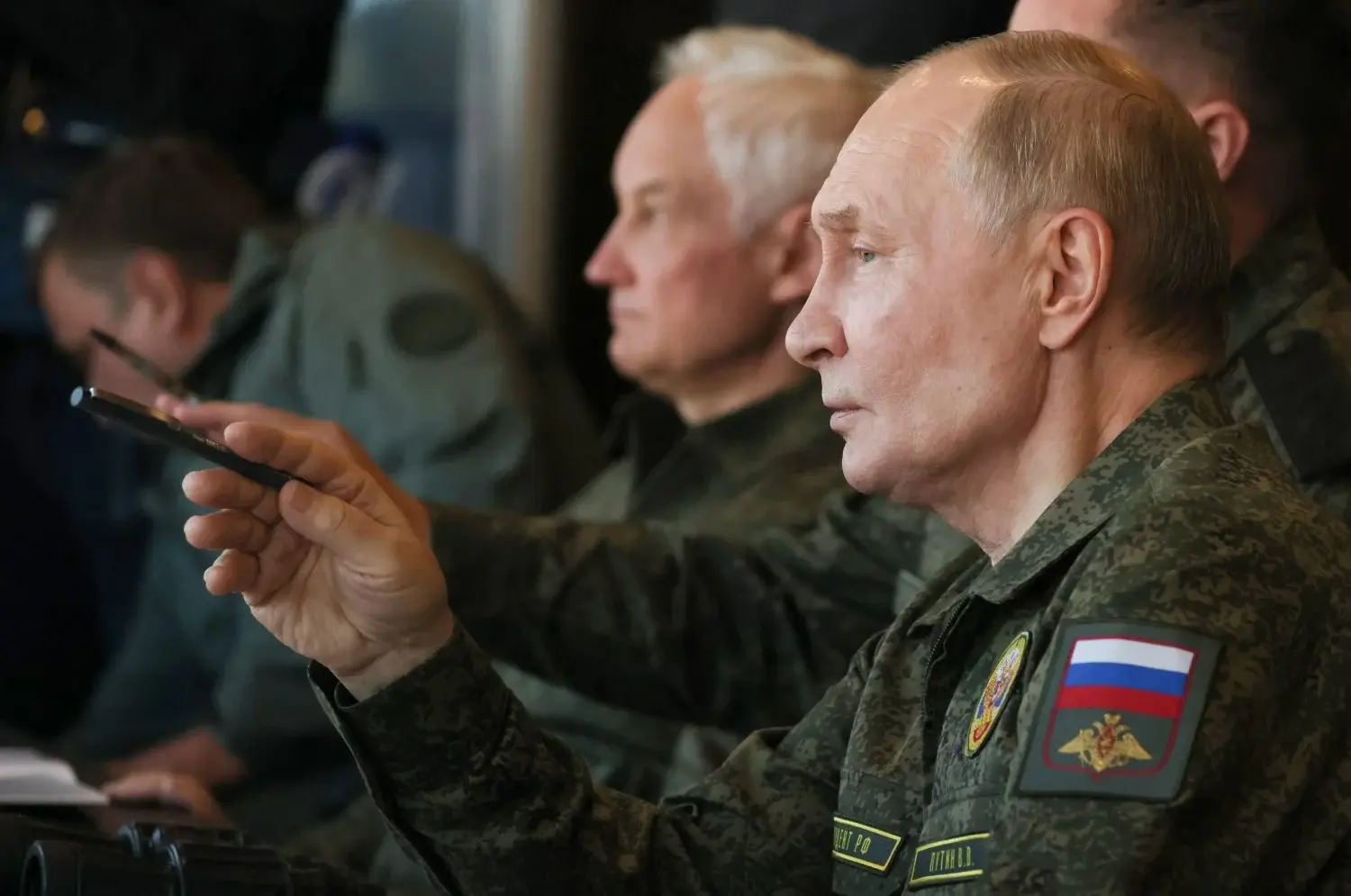
European officials gathered in Brussels last week to confront the growing threat posed by Russia’s hybrid tactics, yet the discussion centered on semantics rather than strategy. Leaders debated whether to label the incursions as acts of war, state‑sponsored terrorism, or a new category altogether, while attacks on energy grids, cyber systems and disinformation networks continued to rise across the continent.
Latest news
 Trump Bets on Putin for a Ukraine Deal
 Why Investors Blame Luck Instead of Logic When Trades Go Wrong
 French Bond Stress Deepens as Buyers Remain On The Sidelines
 Fake Polling Firm May Have Distorted 2026 Primary Results
The debate reflects a deeper paralysis. Since the invasion of Ukraine, Moscow has blended conventional strikes with cyber intrusions, covert sabotage and propaganda, blurring the line between peace and war. EU policymakers argue that a clear definition would unlock legal tools and funding, but critics warn that endless terminology debates delay decisive countermeasures. Analysts note that the hybrid campaign has already cost member states billions in infrastructure repairs and heightened public anxiety.
EU treaties provide specific responses to „armed conflict” and „terrorism,” but hybrid actions sit in a gray zone. Legal scholars explain that classifying Russian activities as war would trigger Article 5 of NATO, while labeling them terrorism could justify sanctions under existing anti‑terror statutes. Yet the hybrid nature—combining cyber attacks on power grids, covert support for separatist groups, and large‑scale disinformation—defies neat categorisation.
Should Europe Prioritise Action Over Definition?
„The EU’s legal framework is not built for this kind of warfare,” said Dr. Elena Markova, a security expert at the European Institute for Strategic Studies. „If we spend months arguing over labels, we lose the window to harden our defenses and coordinate a unified response.” Recent cyber incidents, such as the blackout in a German industrial region and the manipulation of election‑related messaging in France, illustrate the urgency.
Policymakers face a stark choice: continue debating terminology or shift focus to practical steps. Critics argue that the EU’s current approach—forming task forces, drafting white papers, and holding press conferences—has yielded little tangible protection. Meanwhile, NATO allies have begun joint cyber‑defence exercises and shared intelligence on Russian disinformation networks.
„Action speaks louder than a label,” noted Jens Bauer, a senior adviser to the German Ministry of Defense. „We need robust cyber‑resilience, rapid response teams, and a clear communication strategy to counter the narrative war.” Nations that have invested early in cyber‑security infrastructure, such as Estonia and Finland, report fewer successful intrusions, suggesting that proactive measures can outpace semantic debates.
If Europe continues to stall, the hybrid threat could deepen, eroding public trust in institutions and destabilising critical services. Conversely, a coordinated shift toward concrete defence measures—enhanced cyber‑security, resilient energy grids, and unified information campaigns—could blunt Moscow’s tactics and restore confidence. The coming months will test whether EU leaders can move beyond labels and act decisively.
Frequently Asked Questions
What is a hybrid war? A hybrid war blends conventional military force with cyber attacks, covert operations, economic pressure and propaganda to achieve strategic goals without full‑scale conflict.
Why does the EU struggle to label Russian actions? EU treaties and sanctions are tied to specific categories like „war” or „terrorism.” Hybrid tactics blur these lines, making it hard to apply existing legal tools without political consensus.
What immediate steps can Europe take? Investing in cyber‑defence capabilities, securing critical infrastructure, and launching coordinated information campaigns are practical measures that can reduce vulnerability while the legal debate continues.