The Gap Between Hope and Reality
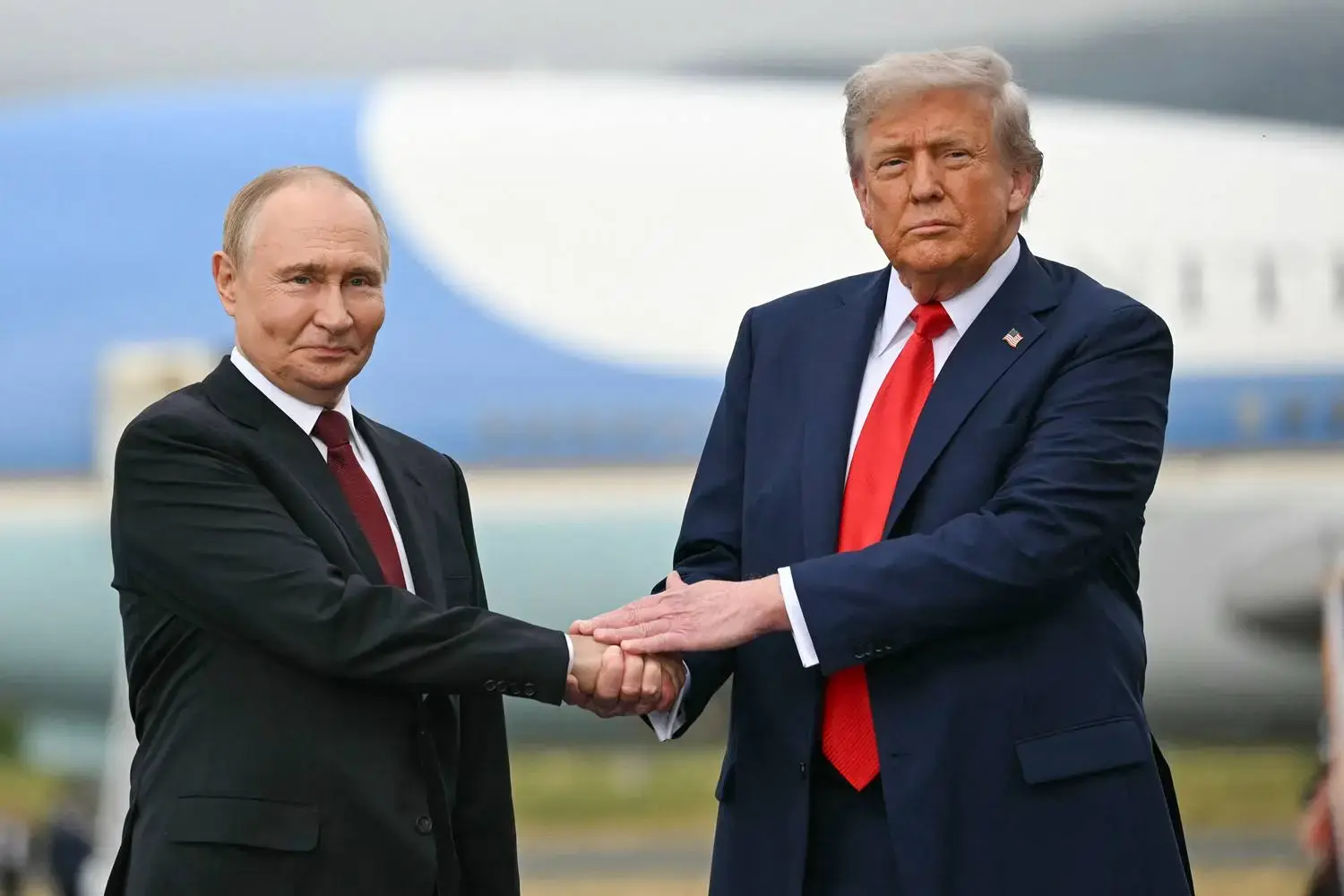
President Donald Trump has publicly expressed confidence that Russian leader Vladimir Putin will agree to a peace agreement in Ukraine. This diplomatic gamble aims to secure a significant foreign policy victory for the White House. However, analysts suggest that Moscow is unlikely to meet American expectations easily. The situation remains tense as both sides navigate complex negotiations.
Latest news
 UK Power Grid Assures Winter Reliability Despite Internal Engineering Concerns
 Trump Invokes Cold War Law to Boost Oil Production
 Why Investors Blame Luck Instead of Logic When Trades Go Wrong
 Europe’s Misstep: Fixating on Labels Instead of Action in Russia’s Hybrid War
The renewed push for a ceasefire centers on Trump’s desire for a quick diplomatic win. He believes personal rapport with Putin can accelerate progress toward ending the war. Yet, the Kremlin faces internal pressures that may limit its flexibility. Kyiv’s complicated budget concerns further complicate the landscape. Ukrainian officials are struggling to balance military spending with economic stability. This financial strain makes it harder for Kyiv to accept terms that might be seen as concessions.
The core of the issue lies in the differing expectations between Washington and Moscow. Trump views the potential deal as a defining moment for his presidency. He seeks to demonstrate that he can resolve conflicts faster than previous administrations. In contrast, Putin operates from a position of strength after years of conflict. Russia has adjusted to the realities of war and sanctions. Consequently, Moscow may not feel the urgency to compromise quickly. The risk is that Trump’s optimism could lead to a misjudgment of Putin’s true intentions.
Can Diplomacy Outpace Military Stalemate?
Negotiations involve more than just military boundaries. Economic sanctions, energy flows, and security guarantees are all on the table. Each element requires careful coordination among multiple allies. The United States must align its strategy with European partners who have significant stakes in the region. Disagreements among allies could slow down the process significantly. Trump’s team is working to bridge these gaps, but success is not guaranteed.
The outcome of these talks will determine the next phase of the conflict. If a deal is reached, it could stabilize the region and reduce global tensions. A failure, however, might prolong the war and deepen divisions. Observers watch closely for signals from both capitals. Any shift in rhetoric or troop movements could indicate a change in direction. The coming weeks are critical for establishing whether trust can be rebuilt.
Frequently Asked Questions
The path forward depends on consistent communication and mutual respect. Both leaders need to manage their domestic audiences effectively. Public opinion in the US and Russia plays a crucial role in shaping policy decisions. Trump must convince skeptics that the deal is fair and sustainable. Meanwhile, Putin needs to justify any concessions to his own political base. Balancing these internal dynamics is as important as the external negotiations.
Will Trump’s confidence in Putin guarantee a peace deal? Not necessarily. While Trump expresses strong belief in the outcome, historical patterns suggest that Moscow often negotiates from a position of leverage. A final agreement requires mutual concessions that are currently difficult to predict.
How do Kyiv’s budget issues affect the negotiations? Ukraine’s financial strain limits its ability to accept costly terms. The government must ensure that any peace deal does not worsen its economic crisis. This adds a layer of complexity to the diplomatic discussions.