Frozen Assets Become Central to New Financial Strategy
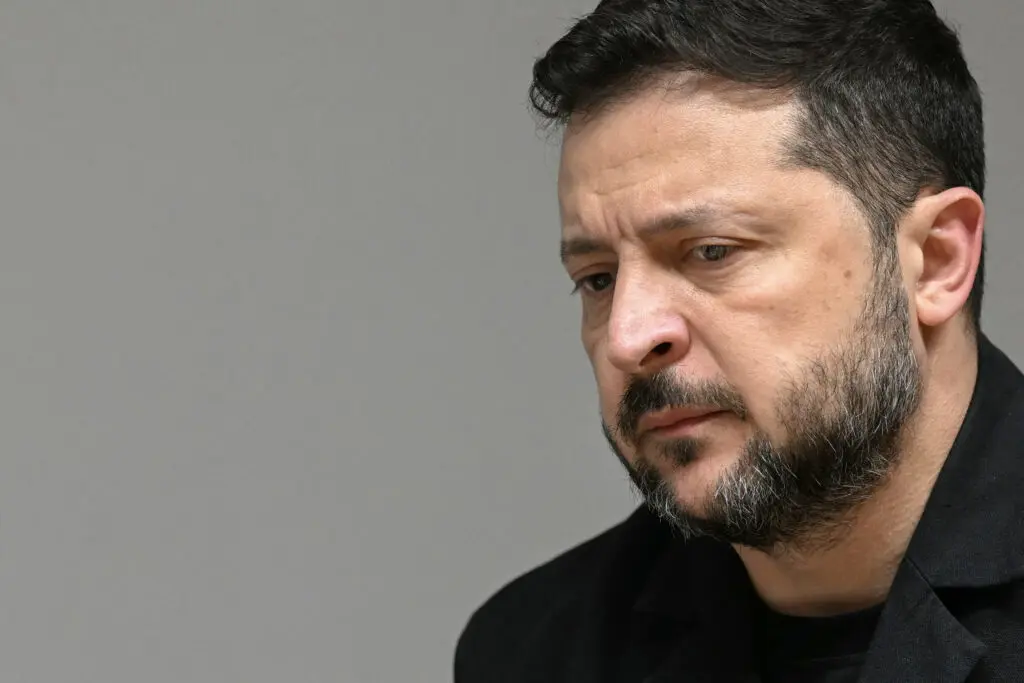
Ukrainian President Volodymyr Zelenskyy is set to address European leaders directly on Friday in Brussels. He seeks renewed commitment for aid during a period of growing doubt among Western allies. This diplomatic push comes as tensions rise over recent US moves that appear to favor Moscow. The EU summit provides a critical stage for Kyiv to secure necessary backing.
Latest news
 US Steel Prices Surge to Four‑Year Peak Amid Trump Tariffs
 Wall Street's AI spending spree faces growing skepticism
 Geothermal Energy Gains Rare Bipartisan Support Amid AI-Driven Power Surge
 AI Sovereignty: Europe’s Bid to Catch Up with U.S. and China
The atmosphere in Brussels reflects a deepening crisis of confidence within the alliance. European prime ministers and presidents are gathering for the second day of their summit. Their primary focus remains the escalating needs of Ukraine in its war against Russia. The timing is particularly sensitive due to shifting dynamics in Washington. Donald Trump’s latest diplomatic steps have signaled a potential pivot toward closer ties with Vladimir Putin. This development has alarmed European capitals, who fear a weakened Western front. Consequently, many EU leaders wish to reignite a difficult debate regarding frozen Russian assets. They aim to use these resources to bolster Ukraine’s financial stability and defense capabilities.
The proposal to tap into Russian reserves held in Europe has sparked intense internal discussions. This strategy involves seizing or borrowing from funds previously locked away following the invasion. It represents a significant shift in how the continent supports its eastern neighbor. Leaders argue that relying solely on new loans is insufficient given the scale of the conflict. By accessing these specific assets, the EU could provide immediate liquidity without increasing its own debt burden further. The approach aims to place the financial weight on Russia rather than European taxpayers. However, not all member states agree on the legal mechanisms required to implement such a plan. Some worry about setting a precedent for international finance. Others view it as a necessary step to ensure long-term security for Ukraine. The debate highlights the friction between political urgency and legal caution within the bloc.
Can Brussels Overcome Internal Divisions Before Friday?
Zelenskyy’s presence adds emotional and political weight to the negotiations. His direct appeal serves as a reminder of the stakes involved for millions of Ukrainians. European leaders must find common ground quickly to present a unified stance. The success of this summit hinges on their ability to bridge existing gaps. If they fail to reach a consensus, doubts about European resolve may grow. This could embolden Moscow and complicate future peace negotiations. The outcome will signal whether Europe can act independently when US support fluctuates. A strong agreement would demonstrate that the continent is ready to shoulder greater responsibility. It would also reassure Kyiv that its partners remain committed despite external pressures. The coming days will test the resilience of the transatlantic partnership.
The implications of this summit extend far beyond immediate military aid. A decisive EU response could redefine the balance of power in the region. It might force Russia to reconsider its economic strategies against the West. Conversely, a divided Europe risks ceding influence to a more assertive Russia. The relationship between Trump and Putin now poses a tangible threat to European cohesion. As Zelenskyy makes his case, the world watches closely. The decisions made in Brussels will shape the trajectory of the war for years to come. European leaders face the challenge of turning ambition into actionable policy before momentum stalls.
Frequently Asked Questions
Why is Zelenskyy meeting with EU leaders now? He is seeking urgent financial and political support amid uncertainty caused by US-Russia rapprochement. His visit aims to solidify European commitment to Ukraine’s defense and reconstruction efforts.
What is the proposed use of frozen Russian assets? Leaders are debating using these funds to finance loans or grants for Ukraine. This method avoids increasing European debt while leveraging Russian wealth held in the EU.
How does the Trump-Putin dynamic affect the EU? It creates pressure on European nations to take a leading role in supporting Ukraine. The shifting US stance forces the EU to become more self-reliant in its foreign policy decisions.