Electoral Participation as Political Validation
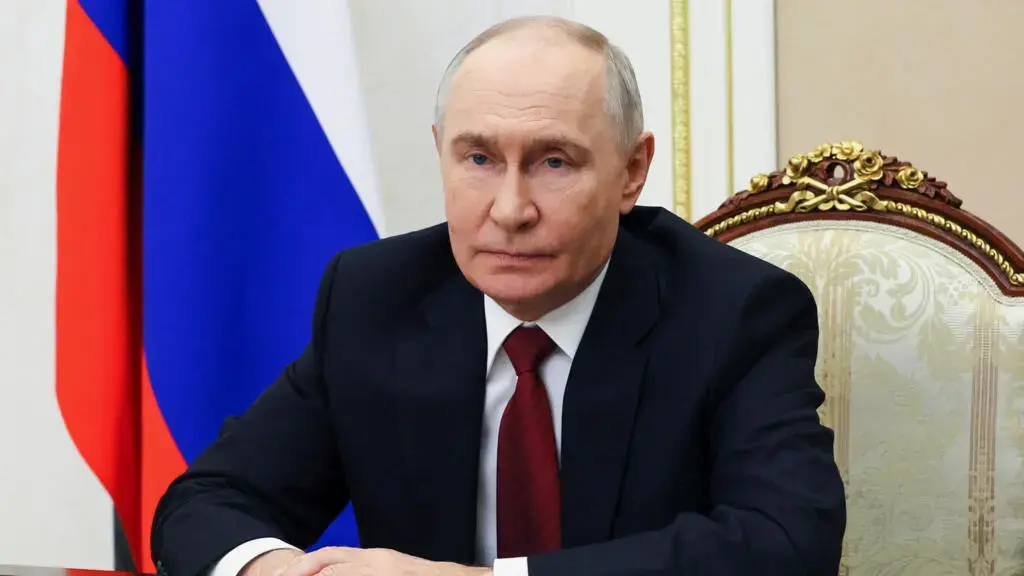
Russian President Vladimir Putin stated on Wednesday that participation in the upcoming parliamentary elections serves as a key indicator of public backing for the country's military campaign in Ukraine. He explicitly encouraged citizens to cast their ballots, framing high turnout as a demonstration of national unity behind the war effort. This statement marks a significant moment in Russia’s political calendar, as it precedes the first parliamentary vote since the conflict began. The president’s remarks connect domestic electoral behavior directly to foreign policy objectives, signaling how the Kremlin views civic engagement in this specific context.
Latest news
 IMF Cuts Australia Growth Forecast Amid Rate Hike Warnings
 Nicaraguan Exile Journalist Luis Galeano Detained by U.S. ICE in Florida
 Congress Passes Bill Granting Trump Expanded Sanctions Authority
 AI pioneer Yoshua Bengio warns of imminent crisis
The leader described the act of voting as a barometer for measuring societal alignment with the government’s strategic goals. By urging Russians to go to the polls, Putin aimed to reinforce the narrative that the war has broad popular support. This approach ties individual civic duty to the collective outcome of the ongoing military operations. The emphasis on turnout suggests that the ruling party seeks to validate its mandate through visible numbers rather than just final results.
In his address, Putin highlighted the symbolic weight of the ballot box. He argued that a robust turnout would confirm that the majority of the population stands behind the decision to engage in the war. This perspective transforms a routine legislative process into a referendum on the conflict itself. The president’s comments reflect a strategy to consolidate internal support ahead of critical legislative sessions. By linking votes to war support, the administration creates a clear metric for success. Voters who participate are effectively endorsing the current trajectory of the state’s military and economic policies.
How Does Turnout Reflect Public Sentiment?
This framing places pressure on opposition groups and undecided voters. Low turnout could be interpreted as a sign of fatigue or dissent, while high numbers signal strength. Consequently, the campaign leading up to the election is likely to focus heavily on mobilization efforts. Local officials may prioritize getting people to vote to match the national narrative set by the president. The message is consistent across regions: showing up at the polling station is an active form of support for the front lines.
The relationship between voter engagement and war support is complex but central to Putin’s argument. Historically, the ruling United Russia party has relied on high participation rates to demonstrate stability. In this instance, the stakes are higher due to the international attention on the conflict. A strong turnout provides the Kremlin with a tangible statistic to cite in diplomatic and domestic debates. Conversely, a drop in participation might invite scrutiny regarding public morale. The president’s push for votes indicates a desire to preemptively frame the election as a victory for unity.
Frequently Asked Questions
The upcoming vote will test the resilience of the political system under wartime conditions. If turnout remains high, the government can claim continued legitimacy. If it falls, the administration may need to adjust its messaging or tactics. The outcome will influence how Russia presents itself to the world and manages internal expectations. For now, the focus remains on encouraging maximum participation to solidify the link between the electorate and the war effort.
Why did Putin compare voting to supporting the war? Putin viewed high voter turnout as a direct measure of public approval for the military campaign. He wanted to ensure that citizens actively demonstrated their backing through participation rather than passive agreement.
When is the parliamentary election taking place? The election is the first parliamentary vote scheduled since the start of the conflict in Ukraine. It serves as a major political event for the country’s legislative body during this period.