
From Prediction to Introspection: The Modern Pivot
Every morning, millions of people check the stars before checking their email. The ritual is no longer a relic of pre-modern superstition; it is a structured method for emotional regulation. In an age of algorithmic feeds and burnout, the sky offers a pause, a framework for understanding why we feel the way we do.
Latest news
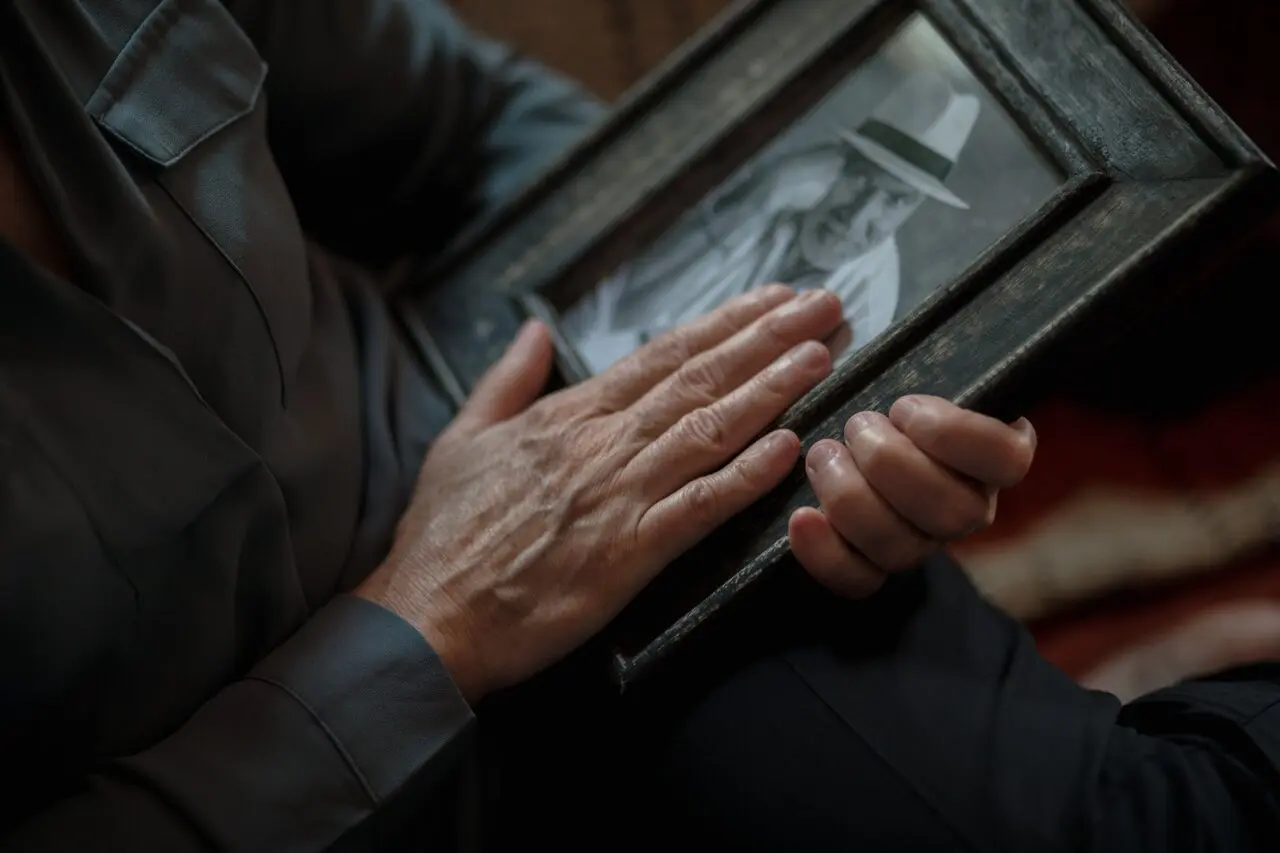 The desire to be remembered may be linked to better mental health
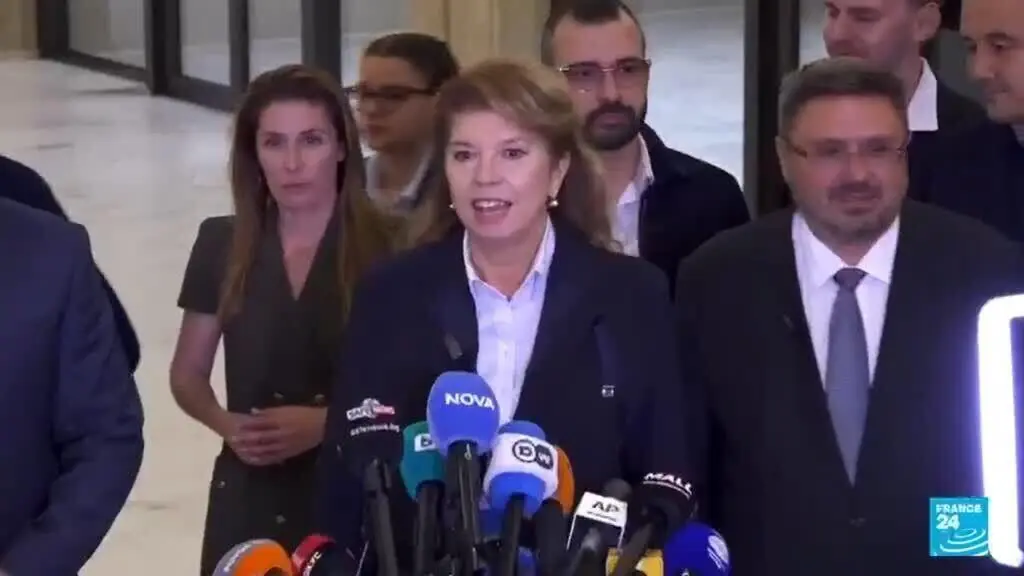 Bulgarian Vice President Iliana Iotova Secures Re-election Amid Regional Tensions
 Marvell to Acquire Lumentum in $115 Billion AI Chip Deal
 Steve Ellis, Lead Singer of Love Affair, Dies at 76
Yet the modern practice has evolved. It is no longer just about predicting rain or royal weddings. Today's astro-psychological approach treats the birth chart as a psychological map, a tool for self-reflection rather than a crystal ball. This shift from prediction to introspection is what keeps the practice relevant in a skeptical, data-driven world.
Traditional astrology often focused on external events: when to plant, when to sign contracts, when to expect a visitor. The modern pivot is inward.
Practitioners now use the chart to identify emotional patterns, recurring conflicts, and areas of personal growth. The sun, moon, and ascendant are read as archetypes of personality, not just positions in the sky.
The Science of Pattern Recognition in a Chaotic World
This approach resonates because it feels less like fortune-telling and more like a structured self-assessment. It aligns with contemporary interest in mindfulness and emotional intelligence. Instead of asking 'what will happen?', the question becomes 'why do I react this way?'
The integration with psychology is key. By combining astrological symbolism with psychological insight, practitioners offer a dual lens. This hybrid model appeals to those who want depth beyond generic daily horoscopes, seeking a personalized journey toward self-awareness.
Humans are pattern-recognition engines. We constantly scan for meaning in noise, whether in markets, relationships, or our own moods. Astrology provides a stable, cyclical framework that helps organize that noise.
The 24-hour zodiac wheel offers a rhythm that counters the erratic pace of modern life.
For many, this structure provides a sense of agency. When life feels chaotic, having a 'map' of one's own emotional landscape can be grounding. It transforms abstract anxiety into something manageable and understandable.
Emotional Intelligence as a Cosmic Practice
This is where personalized guidance becomes valuable. A generic horoscope tells you what to expect; a personalized astro-psychological reading helps you understand why you feel a certain way. Services like Star Soul Insight illustrate this shift, blending cosmic data with emotional intelligence to help individuals navigate their inner landscape with greater clarity.
Emotional intelligence is often taught in corporate settings, but its roots are deeply personal. Astro-psychology bridges this gap by using celestial positions as prompts for emotional check-ins.
It is not about blaming the moon for your mood, but using the moon as a metaphor for the tides of feeling that rise and fall within us.
This approach encourages a daily practice of self-observation. Just as one might track sleep or steps, tracking emotional states in relation to astrological transits creates a log of self-awareness. Over time, patterns emerge that reveal core emotional triggers and strengths.
The goal is not to predict the future, but to understand the present. By mapping the internal, the individual gains the tools to respond rather than react. This is the essence of the modern astro-psychological method: clarity, balance, and transformation.
Why the Stars Still Matter in the Age of Algorithms
Algorithms predict behavior with increasing accuracy, yet they struggle to capture the nuance of human emotion. Astrology, in its modern form, fills that gap.
It offers a qualitative, symbolic language for the qualitative, symbolic nature of feeling. It is a tool for the parts of us that data cannot quantify.
As we navigate a world of rapid change, the need for internal stability grows. The stars, in this context, are not a crutch but a compass. They point inward, helping us find our center. This is the enduring appeal: not a prediction of what will happen, but a map of who we are.
The future of astrology is not in the sky, but in the self. It is a practice of continuous self-discovery, blending the ancient with the contemporary. In a world of noise, it offers a quiet, structured path to emotional equilibrium.