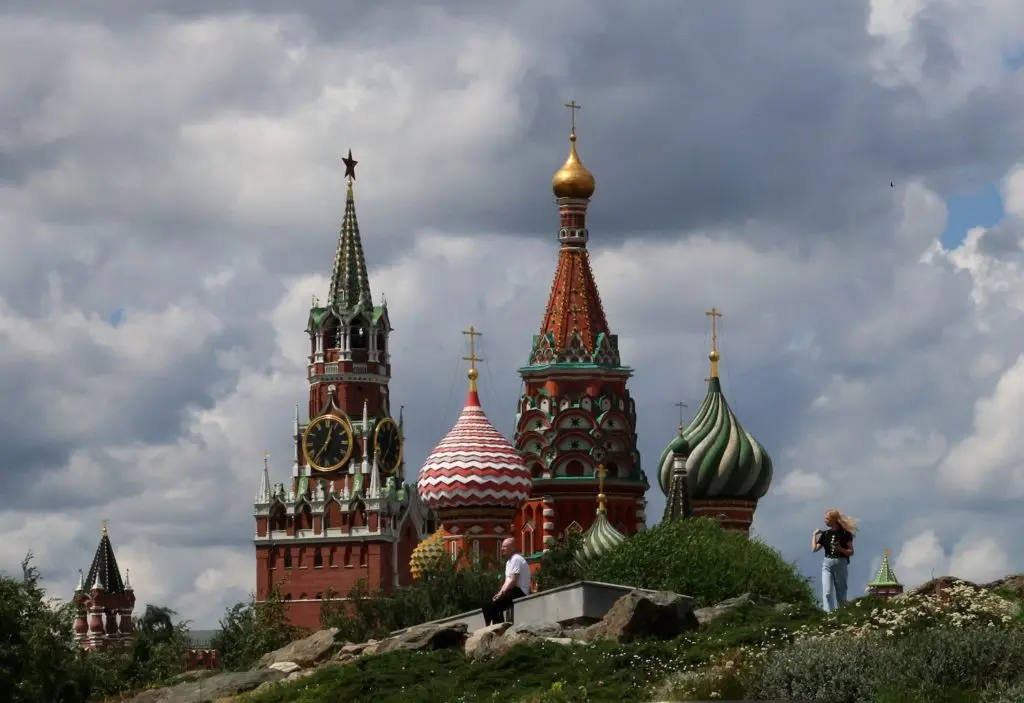
Historical Trauma Fuels Current Vigilance
Latvia's foreign minister has issued a stark warning about Russian sabotage activities targeting European nations, particularly those with memories of Soviet occupation. Speaking on August 27, 2026, the minister emphasized that hybrid threats are intensifying across the continent, exploiting historical vulnerabilities. The alert comes amid growing concerns over covert operations aimed at destabilizing democratic institutions and critical infrastructure.
Latest news
 Swedish Voters Choose New Parliament as Left-Wing Coalition Projects to Win Majority
 Trump Announces End of US Tariff on Irish Whisky
 Frances Stonor Saunders, Author of CIA Cultural Espionage Exposé, Dies at 66
 Israel and Lebanon to Hold Security Talks in Rome This October
Many Eastern European countries remain deeply sensitive to Russian influence due to decades of Soviet control. Latvia's foreign minister pointed out that this shared history makes these nations both more aware of potential threats and potentially more susceptible to psychological operations. He noted that sabotage efforts often blend cyber attacks, disinformation campaigns, and physical interference with energy supplies or transport networks. The minister stressed that recognizing these patterns is crucial for building effective defenses, as adversaries seek to exploit societal divisions rooted in past occupations.
How Are European Nations Responding to These Threats?
In response to the heightened risk, several countries have strengthened intelligence sharing and joint military exercises focused on hybrid warfare scenarios. Latvia has reportedly increased cybersecurity funding and expanded public awareness campaigns about disinformation tactics. NATO allies have also intensified patrols in the Baltic region, though the foreign minister cautioned that military readiness alone cannot counter subtle forms of sabotage. He urged governments to invest in resilient communication systems and media literacy programs to help citizens identify manipulated content.
What specific forms of sabotage did Latvia's foreign minister mention? He referenced cyber attacks on critical infrastructure, disinformation campaigns targeting social cohesion, and interference with energy or transport systems as key tactics used by Russian actors.
Frequently Asked Questions
Why are countries with Soviet occupation histories particularly concerned? These nations recognize patterns from past repression and fear that current tactics aim to recreate instability by exploiting historical trauma and societal divisions.
What steps has Latvia taken to address these threats? Latvia has boosted cybersecurity investments, launched public education initiatives about disinformation, and enhanced cooperation with NATO allies on intelligence and defense planning.