The Economic Toll of Trade Disputes
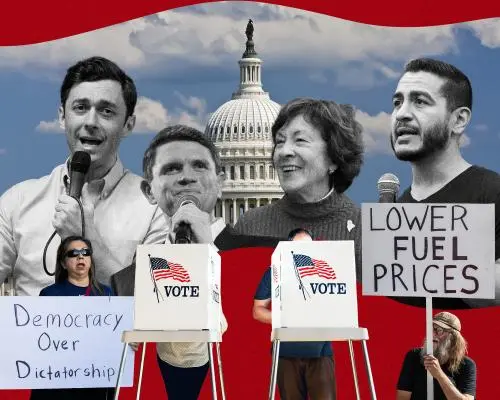
Voters across the United States delivered a historic rebuke to the Republican Party during the recent midterm elections. Foreign policy disputes, ranging from aggressive trade tariffs to escalating tensions with Iran, played a decisive role in shifting voter sentiment. These international concerns directly influenced local contests, ultimately undermining the incumbent administration's national standing.
Latest news
 Democrats Secure Sweeping Victory in 2026 Midterm Elections
 Harvest Season Strained by Military Restrictions in the West Bank
 Japan Government Bonds Rally as Global Risk-Off Move Boosts Haven Demand
 South Korean Markets Slide as Semiconductor Concerns Intensify
The electorate expressed deep frustration with the White House’s approach to global affairs. Many voters linked the president's confrontational stance on Iran to fears of an unnecessary military quagmire. Simultaneously, the implementation of high tariffs sparked widespread economic anxiety. Citizens increasingly blamed these protectionist trade policies for the rising cost of living and diminished household affordability.
Beyond the threat of conflict, the administration’s trade strategy became a central point of contention. Voters perceived these tariffs not merely as a diplomatic tool, but as a direct tax on their personal finances. As prices for everyday goods climbed, the political narrative shifted toward the tangible impact of international trade wars. This economic pressure eroded support in districts that previously favored the administration’s agenda.
Immigration policy also emerged as a critical wedge issue during the campaign cycle. While trade and military posturing dominated headlines, voters remained focused on how border security intersected with broader foreign policy goals. The perceived instability caused by these combined factors created a volatile environment for candidates. Consequently, the Republican platform struggled to maintain its appeal among moderate voters who prioritize global stability and economic predictability.
Was Foreign Policy the Primary Driver of Defeat?
The scale of the defeat suggests that the administration underestimated the public's sensitivity to global issues. While domestic concerns typically define midterm cycles, the intersection of foreign policy and personal finances proved to be a potent combination. By failing to address the anxiety surrounding trade and potential military escalation, the party lost its grip on critical swing regions. The results now serve as a stark warning about the risks of prioritizing aggressive foreign posturing over the economic well-being of the domestic electorate.
Frequently Asked Questions
Which foreign policy issues were most significant to voters? Voters were primarily concerned with the administration's stance on Iran, the implementation of high tariffs, and ongoing immigration policy. These issues were viewed as direct contributors to the rising cost of living.
How did the tariffs influence the election results? The tariffs were widely blamed for increased prices on consumer goods. This created financial strain for many families, which translated into a loss of political support for the incumbent party.
What does this result mean for future political strategy? The midterm outcome indicates that voters are increasingly wary of aggressive foreign policy maneuvers. Future campaigns will likely need to focus more heavily on the economic consequences of international trade and diplomatic decisions.