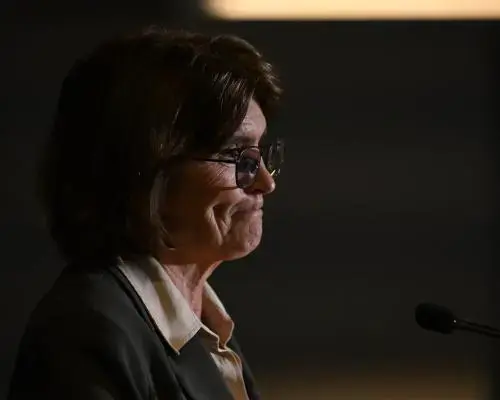
The Ripple Effect of Overseas Instability
Michele Bullock, head of Australia’s central bank, recently stated Australians are experiencing a decline in living standards. This assessment came alongside the bank’s decision to raise interest rates for the third time. Bullock directly links this economic hardship to international conflicts and global shocks. Her comments were made during detailed public testimony.
Latest news
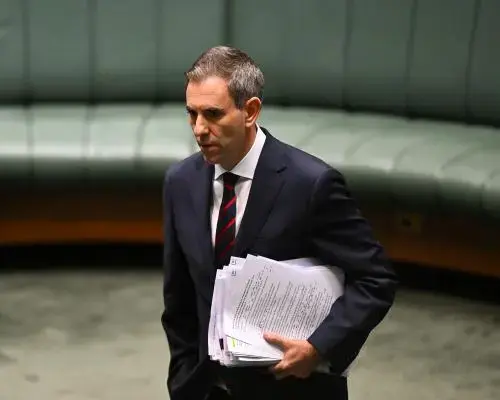 IMF Cuts Australia Growth Forecast Amid Rate Hike Warnings
 Nicaraguan Exile Journalist Luis Galeano Detained by U.S. ICE in Florida
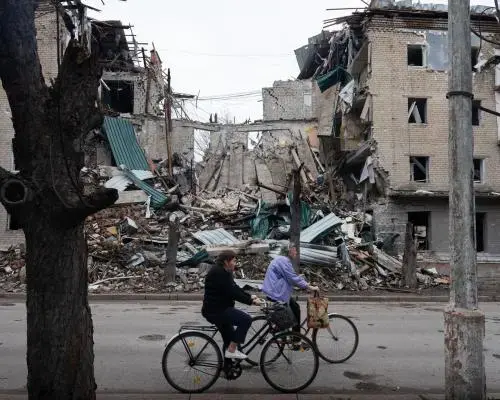 Congress Passes Bill Granting Trump Expanded Sanctions Authority
 AI pioneer Yoshua Bengio warns of imminent crisis
Bullock’s blunt message acknowledged the challenging economic climate. She explained that global events are directly impacting household finances. The ongoing conflicts, particularly those involving the US, Israel, and Iran, are key drivers. These events create economic instability and contribute to rising costs for Australians. She emphasized there is no easy fix to this situation.
The Reserve Bank of Australia (RBA) anticipates continued economic strain. Bullock’s Specifically, energy costs are significantly affected by geopolitical tensions. Increased energy prices then flow through to other sectors of the economy. This creates a broader inflationary pressure, reducing purchasing power for Australian families.
Will Higher Rates Truly Help?
The RBA’s recent interest rate hike is an attempt to curb this inflation. However, Bullock acknowledges this measure also adds to financial pressure on households. She stated plainly that Australians are becoming poorer as a result of these combined factors. The central bank expects these conditions to persist for the foreseeable future.
Raising interest rates is a standard response to inflation. It aims to cool down the economy by making borrowing more expensive. However, critics question whether this approach is effective in the current environment. The root cause of inflation isn’t domestic demand, but external shocks beyond Australia’s control. Therefore, higher rates may simply exacerbate the financial burden on households without significantly impacting global prices.
Bullock defended the RBA’s decision, stating it’s a necessary step to manage inflation expectations. She believes maintaining price stability is crucial, even if it means short-term pain for consumers. The RBA is carefully monitoring the situation and will adjust its policy as needed. However, she reiterated her initial point: the underlying economic reality is that Australians are facing a reduction in their standard of living.
The long-term consequences of these global conflicts remain uncertain. Continued instability could lead to further economic decline. Australians may experience reduced income, higher costs of living, and increased financial insecurity. The RBA’s outlook suggests a challenging period ahead, requiring careful economic management and resilience from households.
Frequently Asked Questions
What specific conflicts is the RBA most concerned about? The RBA is particularly focused on the conflicts involving the US, Israel, and Iran. These conflicts have the potential to disrupt global energy markets and supply chains. This disruption directly impacts Australia’s economy and household finances.
How will this affect average Australian families? Families will likely experience higher prices for essential goods and services. Increased interest rates on mortgages and loans will also strain household budgets. This combination of factors will reduce disposable income and overall living standards.
Is there any potential for improvement in the near future? Any improvement depends on the resolution of global conflicts and stabilization of energy prices. Without these developments, the RBA anticipates continued economic challenges for Australians.