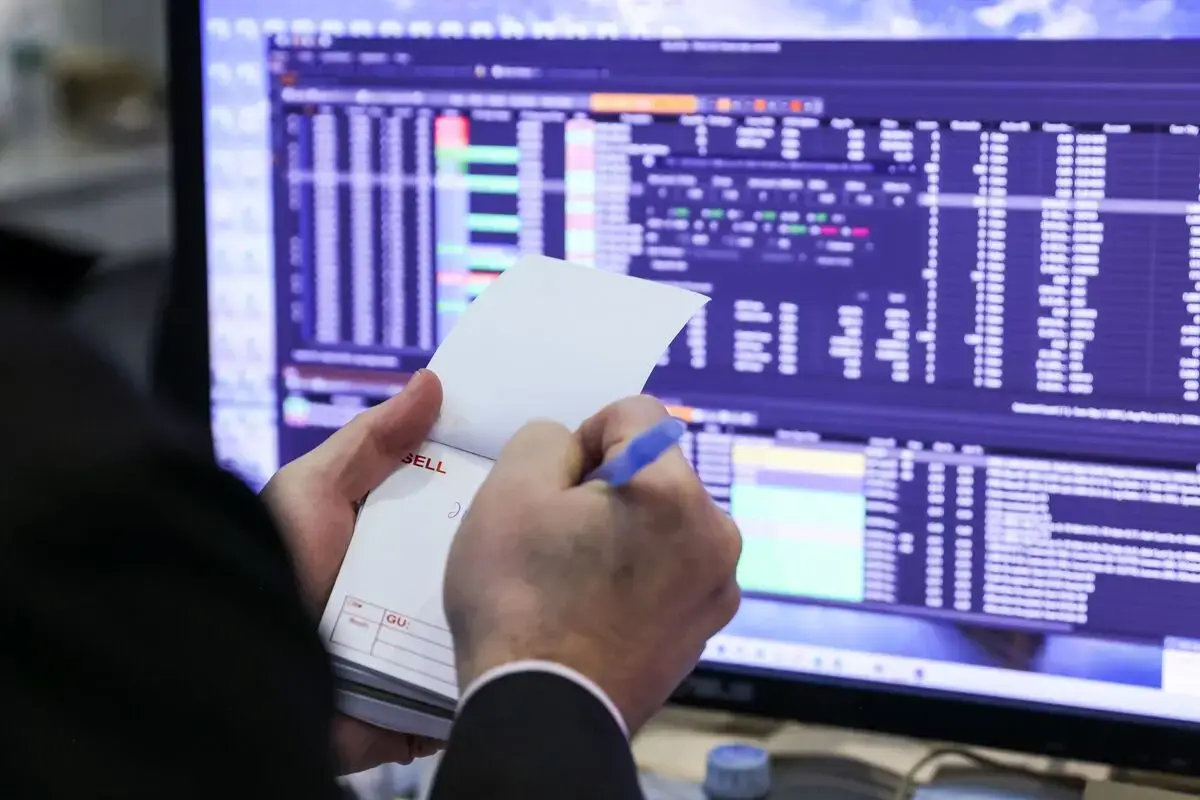
The Appeal of Artificial Demand
American corporations have declared $665 billion in share repurchase programs this year. This surge indicates strong corporate confidence. Buybacks involve companies reinvesting in their own stock, reducing shares available. The trend is happening across numerous sectors of the US economy.
Latest news
 IMF Cuts Australia Growth Forecast Amid Rate Hike Warnings
 Nicaraguan Exile Journalist Luis Galeano Detained by U.S. ICE in Florida
 Congress Passes Bill Granting Trump Expanded Sanctions Authority
 AI pioneer Yoshua Bengio warns of imminent crisis
These buybacks effectively return capital to shareholders. It’s an alternative to dividends, offering potential tax advantages. Companies often utilize excess cash reserves for these programs. The scale of current activity surpasses previous years, signaling a robust financial position for many businesses. It also impacts stock valuation and investor perception.
Share repurchases create artificial demand for a company’s stock. This can boost earnings per share, a key metric for investors. By decreasing the number of outstanding shares, profits are distributed across a smaller base. This makes each share appear more valuable, potentially driving up the stock price. Companies see this as a way to reward investors and signal financial health.
Are Buybacks a Sign of Limited Investment Opportunities?
However, critics argue that buybacks prioritize short-term gains. They suggest funds could be better allocated to long-term investments. These include research and development, employee training, or capital expenditures. Some believe the focus on stock price manipulation detracts from genuine innovation and growth.
The massive increase in buybacks raises questions. Are companies lacking compelling opportunities for expansion? Some analysts suggest a lack of attractive investment options is driving the trend. With interest rates rising, and economic uncertainty present, companies may choose to return capital to shareholders rather than riskier ventures. This cautious approach reflects the current economic climate.
The $665 billion figure represents a significant portion of corporate earnings. It highlights a preference for shareholder returns over reinvestment. This strategy isn’t new, but its current magnitude is noteworthy. It suggests a shift in corporate priorities, potentially impacting long-term economic growth.
The continued prevalence of buybacks could further concentrate wealth. It benefits shareholders, particularly institutional investors and executives with stock-based compensation. This could exacerbate income inequality and limit broader economic benefits. The long-term consequences remain to be seen.
Frequently Asked Questions
What exactly is a share buyback? A share buyback happens when a company uses its profits to purchase its own outstanding shares on the open market. This reduces the total number of shares available, potentially increasing the value of the remaining shares.
How do buybacks differ from dividends? Both buybacks and dividends return capital to shareholders. Dividends are direct cash payments, while buybacks increase share value. Buybacks can offer tax advantages for some investors, as gains are realized only when shares are sold.
Is a large number of buybacks always a positive sign? Not necessarily. While it shows financial strength, it could also indicate a lack of better investment opportunities. It’s important to consider the company’s overall strategy and long-term growth prospects.