Regional Security on Edge
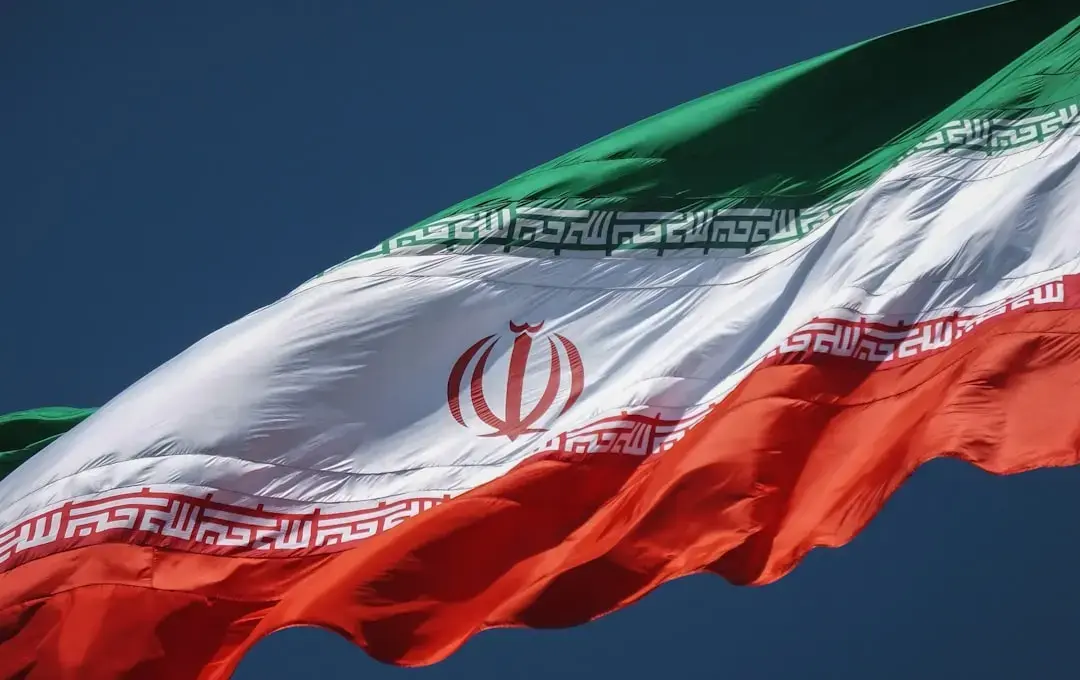
The United Arab Emirates intercepted missiles launched from Iran today. A fire also broke out at an oil facility in Fujairah. These events suggest escalating tensions in the region, occurring on the 67th day of heightened conflict. Tehran has yet to issue an official statement.
Latest news
 IMF Cuts Australia Growth Forecast Amid Rate Hike Warnings
 Nicaraguan Exile Journalist Luis Galeano Detained by U.S. ICE in Florida
 Congress Passes Bill Granting Trump Expanded Sanctions Authority
 AI pioneer Yoshua Bengio warns of imminent crisis
The UAE’s air defenses reportedly engaged both ballistic and cruise missiles. This followed a suspected drone attack targeting the oil facility. Qatar, Jordan, Saudi Arabia, and Kuwait have expressed concern. The Gulf Cooperation Council and the European Union are also monitoring the situation closely.
These attacks deepen the crisis surrounding the Strait of Hormuz. This vital waterway is crucial for global oil shipments. The incident raises fears of wider instability in an already volatile region. The UAE has been a frequent target of attacks attributed to Iranian-backed groups. These groups often utilize drones and missiles.
Is De-escalation Still Possible?
The lack of immediate comment from Tehran is notable. It’s unclear whether the missile launches were a direct response to the suspected drone attack. Or if they represent a broader escalation of hostilities. Previous incidents have seen Iran deny involvement, while acknowledging the right to defend itself.
The GCC has called for restraint and dialogue. They urge all parties to avoid actions that could further inflame tensions. The EU has expressed similar concerns. They emphasize the need for a diplomatic solution to prevent a wider conflict. However, prospects for immediate de-escalation appear slim.
Frequently Asked Questions
The attacks highlight the vulnerability of critical infrastructure in the Gulf. Disruptions to oil supplies could have significant global economic consequences. The situation demands careful diplomacy and a commitment to regional stability. Failure to address the escalating tensions could lead to a dangerous cycle of retaliation.
What is the significance of the Strait of Hormuz? The Strait of Hormuz is a narrow waterway connecting the Persian Gulf to the Arabian Sea. It's a critical chokepoint for global oil trade, with roughly 20% of the world’s oil supply passing through it daily. Any disruption there impacts energy markets worldwide.
What role does the GCC play in regional security? The Gulf Cooperation Council is a political and economic alliance of six countries in the Arabian Gulf. They work together to promote security and stability in the region. The GCC often coordinates responses to threats and seeks diplomatic solutions to conflicts.