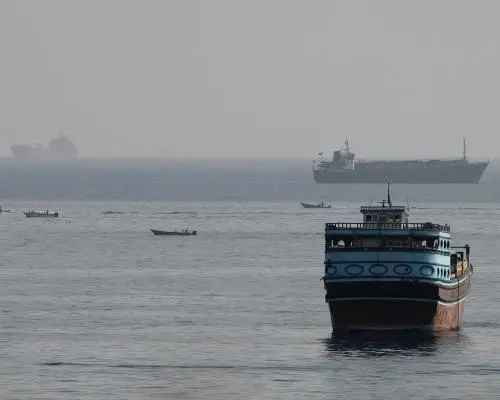
Coastal Vulnerability in Omani Waters
Iranian forces have intensified attacks on commercial vessels within the Strait of Hormuz. In recent weeks, the frequency of strikes has climbed significantly. On Wednesday night alone, seven tankers sustained damage. Over the preceding two weeks, at least fifteen container ships were hit. These incidents occur as tensions between the United States and Iran escalate. The waterway remains a critical global trade artery. Local residents near the coast are feeling the immediate effects of this conflict.
Latest news
 Millions of Attack Attempts Target Global PHP Vulnerability
 Get Ready for More Website Outages in the AI Era
 Violence Escalates in Iran’s Restive Balochistan Border Region
 German authorities detain Ukrainian man over alleged Russian spy ring
Most recent attacks have concentrated close to the Omani coastline. This specific route is viewed by Iran as a strategic chokepoint. Ships passing through this narrow section face heightened risks. The proximity to shore makes these vessels difficult to maneuver quickly when under fire. Iranian officials report that the strikes are precise and targeted. They aim to disrupt the flow of energy and goods. The concentration of hits near Oman suggests a deliberate tactical choice. It highlights how geography influences military strategy in this region. Residents in nearby towns hear the explosions clearly. The sound of sirens has become a common background noise. Daily life adjusts to the rhythm of maritime conflict.
How Does Conflict Affect Daily Life?
The increase in attacks reflects broader geopolitical shifts. Iran seeks to leverage its geographic advantage against global shipping lanes. Container ships carry essential goods for international markets. Tankers transport vital fuel supplies across continents. When these vessels take damage, delays ripple through supply chains. Insurance premiums for ships transiting the strait have surged. Many operators now require additional security measures. Some companies are considering alternative routes, if feasible. However, the Strait of Hormuz remains the most efficient path for many. The cost of detours adds pressure to global economies. Local communities watch their harbors with caution. Fishermen avoid certain zones during high-risk periods. The economic impact extends beyond just shipping companies. It affects local businesses reliant on port activity.
The question remains for locals living near the strait. How does the conflict change their routine? Families plan activities around safety alerts. Schools may adjust schedules during major incidents. Businesses monitor news feeds closely for updates. The psychological toll is significant. Constant uncertainty creates stress among residents. Yet, many continue their normal jobs. They rely on the stability of their homes despite nearby danger. The conflict underscores the human element of geopolitical disputes. People live in the shadow of powerful nations' decisions. Their livelihoods depend on safe passage for ships.
Looking ahead, the situation appears volatile. No immediate ceasefire has been announced. Both sides maintain strong military postures. Analysts predict continued friction in the coming months. The world watches closely for any major escalation. Global markets react swiftly to each reported strike. The Strait of Hormuz stands as a focal point for diplomacy. Peaceful resolution requires careful negotiation. Until then, the risk to shipping persists. Residents adapt to the new reality. They hope for calmer waters soon. For now, vigilance is the primary mode of existence.
Frequently Asked Questions
How many ships were damaged recently? Seven tankers were struck on Wednesday night. Additionally, at least fifteen container ships were hit over the last two weeks. These figures highlight the rapid increase in maritime incidents.
Where do most attacks occur? Most strikes happen close to the Omani coast. Iran considers this route a key strategic point. Ships navigating this area face the highest level of risk currently.