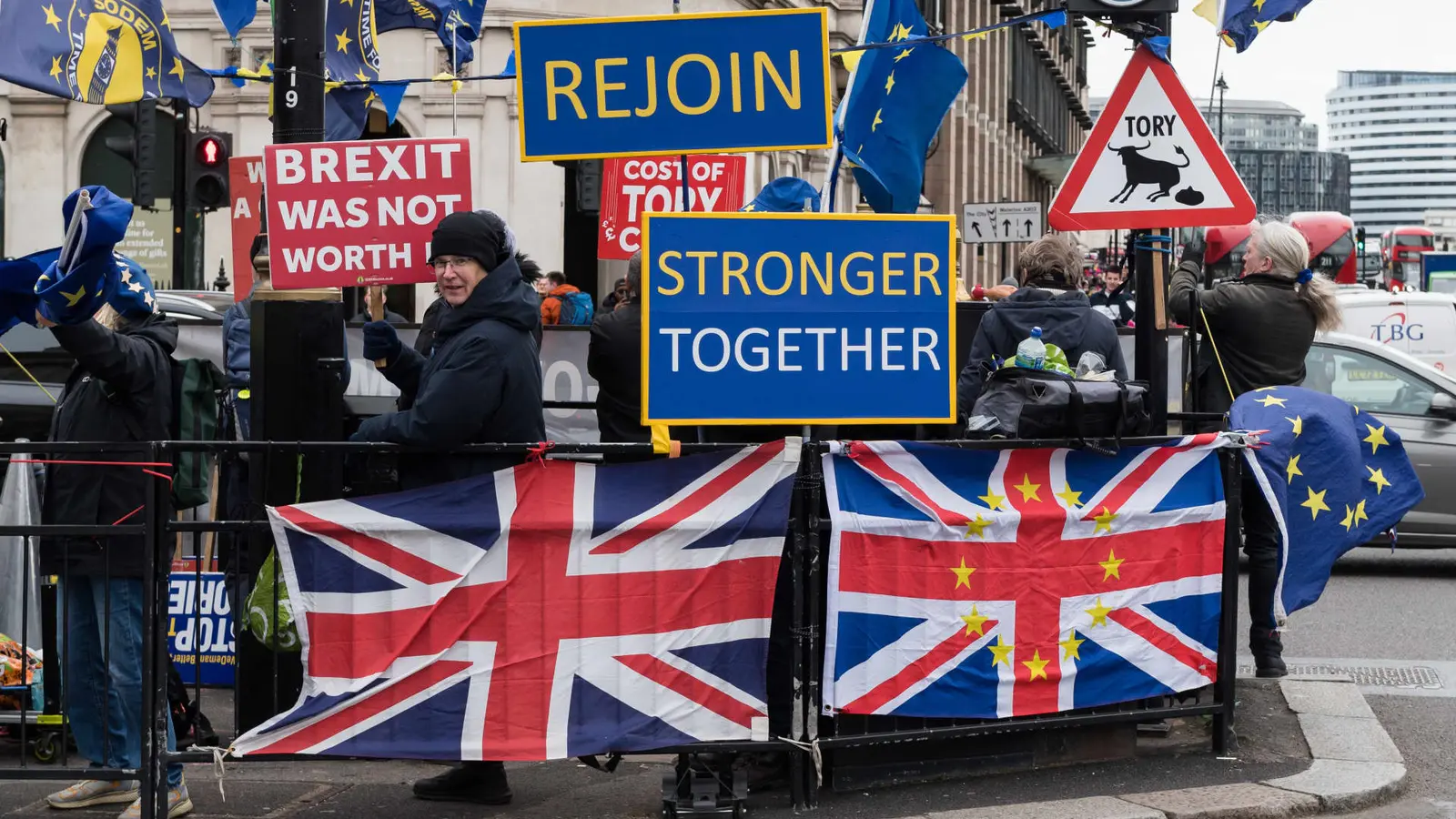
Burnham's gamble: Can a new referendum reset Britain's course?
Ten years after Britain voted to leave the European Union, the conversation around reversing that decision is resurfacing with unexpected vigor. U. K. Prime Minister Andy Burnham has recently suggested that a second referendum on EU membership could be on the table, reigniting a debate that many believed had settled into political history.
Latest news
 Indonesia Finance Chief Signals He’ll Stay Neutral Amid Prabowo’s Economic Push
 International Space Station Considered for Nobel Peace Prize
 Israeli Prime Minister Claims Flydubai Pilot Is Omani, U.S. Considers Deploying 10,000 Troops
 Europe Sees Surge in Data Center Jobs as Digital Demand Spikes
The original June 2016 referendum resulted in a narrow 52-48 victory for the Leave campaign, triggering years of negotiations, legal wrangling, and ultimately Britain's formal departure in January 2020. Since then, the economic and diplomatic landscape has shifted dramatically, with many businesses and citizens expressing regret over the consequences of separation. Burnham's comments come amid growing public dissatisfaction with post-Brexit trade barriers and regulatory divergence from European standards.
The prime minister's proposal reflects mounting pressure from pro-European factions within his party and the broader public. Recent polling indicates that nearly 40% of voters now believe leaving the EU was a mistake, up from 30% immediately after the 2016 vote. Economic data shows that British exports to the EU have declined by roughly 16% since Brexit took effect, while financial services firms have relocated thousands of jobs to Dublin, Frankfurt, and Paris.
Burnham argues that a fresh referendum would allow the British people to reconsider their relationship with Europe in light of current realities. „The world has changed significantly since 2016,”he stated during a speech in Manchester. „Citizens deserve the opportunity to weigh their options based on what we now know, not what we once feared.”Supporters of a second vote point to generational shifts in public opinion. Younger voters, who were too young to participate in 2016, tend to favor closer ties with the EU by margins exceeding two to one. Additionally, several prominent economists have endorsed the idea, suggesting that reintegration could boost GDP growth and restore frictionless trade.
However, opponents argue that holding another referendum would undermine democratic legitimacy and create dangerous political instability. Nigel Farage, leader of the Reform Party, called the proposal „an insult to the 17.4 million people who voted Leave.”He warned that reopening the issue could fracture the Conservative Party and alienate working-class voters who feel abandoned by metropolitan elites.
What would a second referendum actually mean for Britain?
Legal experts note that organizing a nationwide vote would require new legislation, potentially taking months to navigate parliamentary procedures. The Electoral Commission would need to oversee campaign financing rules, while the Electoral Reform Society has raised concerns about ensuring fair media coverage and preventing foreign interference.
Meanwhile, European leaders have responded cautiously. European Commission President Ursula von der Leyen acknowledged that any decision about Britain's membership rests solely with the British people, adding that the EU remains committed to constructive partnerships regardless of the outcome.
The financial implications of either path remain substantial. Rejoining the EU would likely require Britain to accept budget contributions, adopt new regulations, and potentially cede some sovereignty over trade policy. Conversely, maintaining the status quo risks continued economic divergence and reduced global influence.
As Parliament prepares for what promises to be a contentious debate, all eyes will turn to whether Burnham can build enough cross-party support to move beyond rhetoric toward concrete action. The stakes extend far beyond Brexit itself—they touch on fundamental questions about democracy, identity, and Britain's place in the modern world.
Why is Prime Minister Burnham reconsidering Brexit now?
Frequently Asked Questions
Burnham cites changing public opinion and economic hardship as key drivers. With nearly 40% of voters expressing regret over the 2016 decision, he believes a second referendum would reflect current realities rather than past fears.
How would a second referendum work legally?
Any new vote would require fresh legislation passed by Parliament, along with oversight from the Electoral Commission. Campaign rules, media access, and voter registration processes would all need to be restructured for a nationwide poll.
What are the chances of Britain rejoining the EU?
While public sentiment appears to be shifting, rejoining would face significant legal and political hurdles. Even if a referendum passed, negotiations over terms, budget contributions, and regulatory alignment would likely take years to complete.