Strategic Shift in Middle East Policy
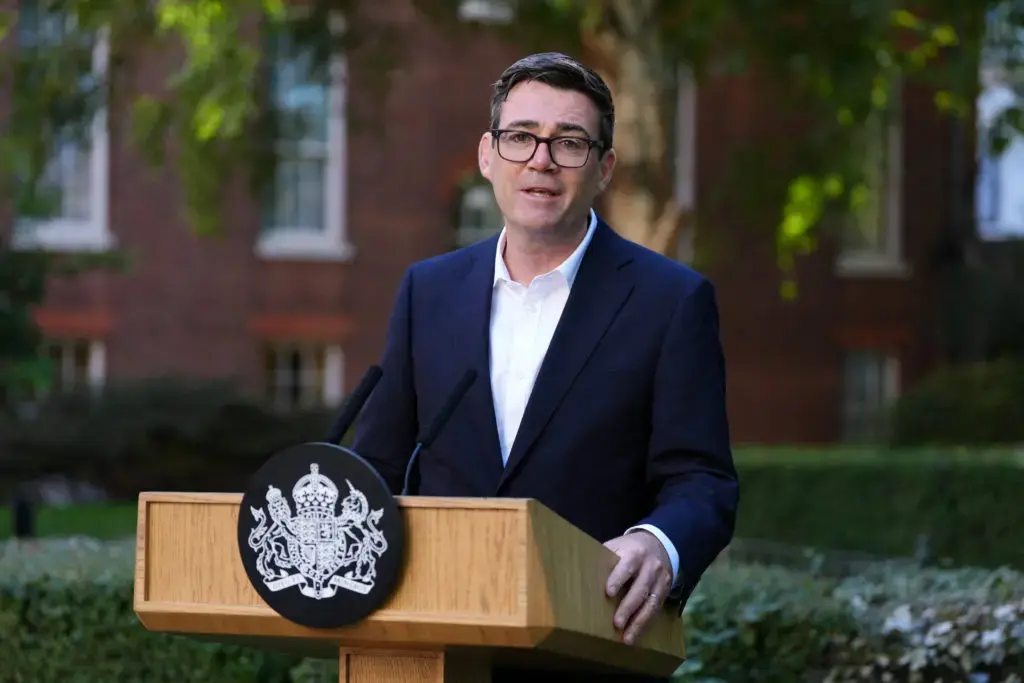
London, United Kingdom. British Prime Minister Andy Burnham is scheduled to meet with US President Donald Trump. This will be their first official face-to-face encounter. The meeting follows recent diplomatic developments between the two nations. Burnham will also make his debut address at the United Nations General Assembly. These events occur amid shifting geopolitical alliances in the Middle East. The timing highlights the growing importance of transatlantic relations.
Latest news
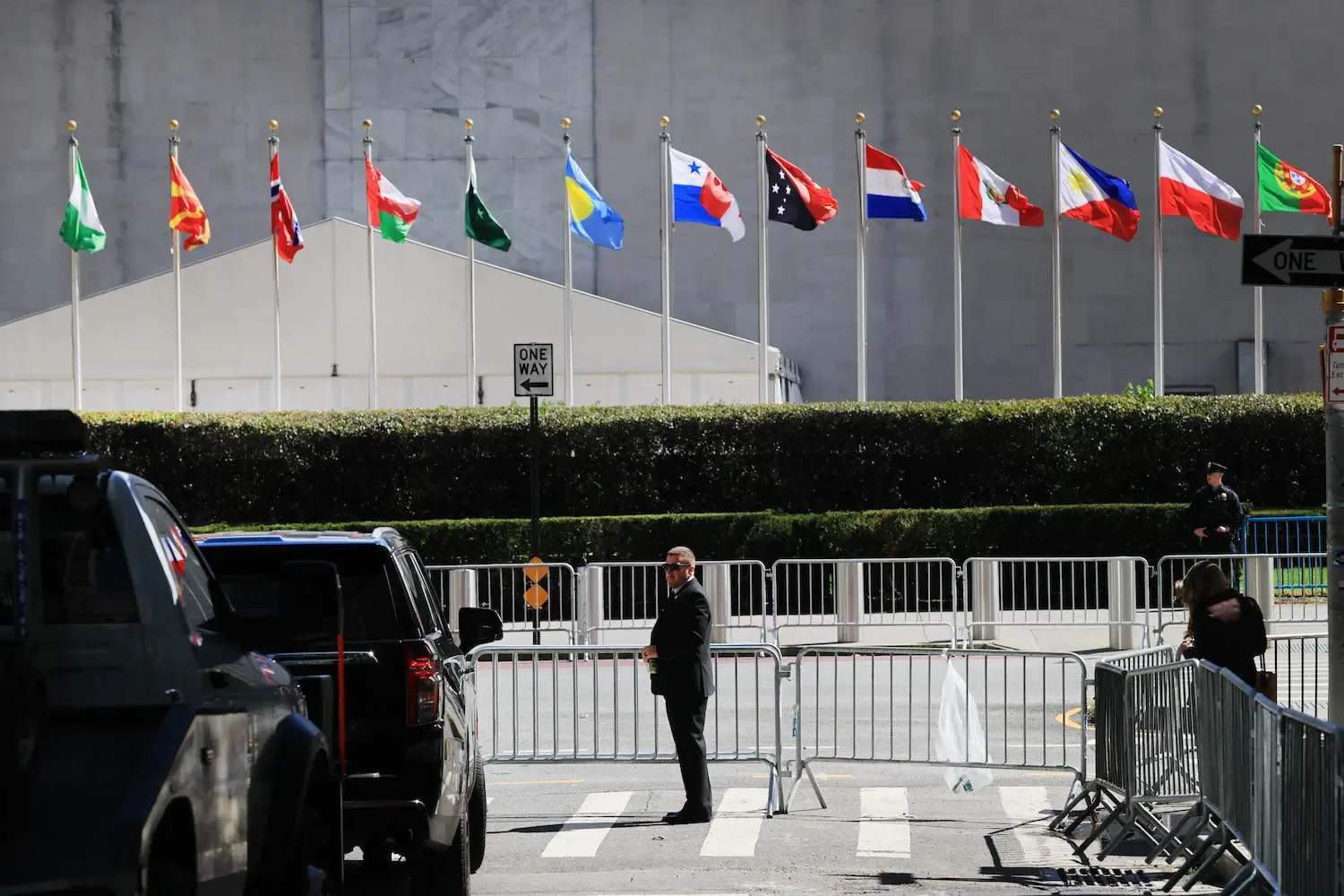 Global Diplomacy Prepares for the 2026 UN Leadership Transition
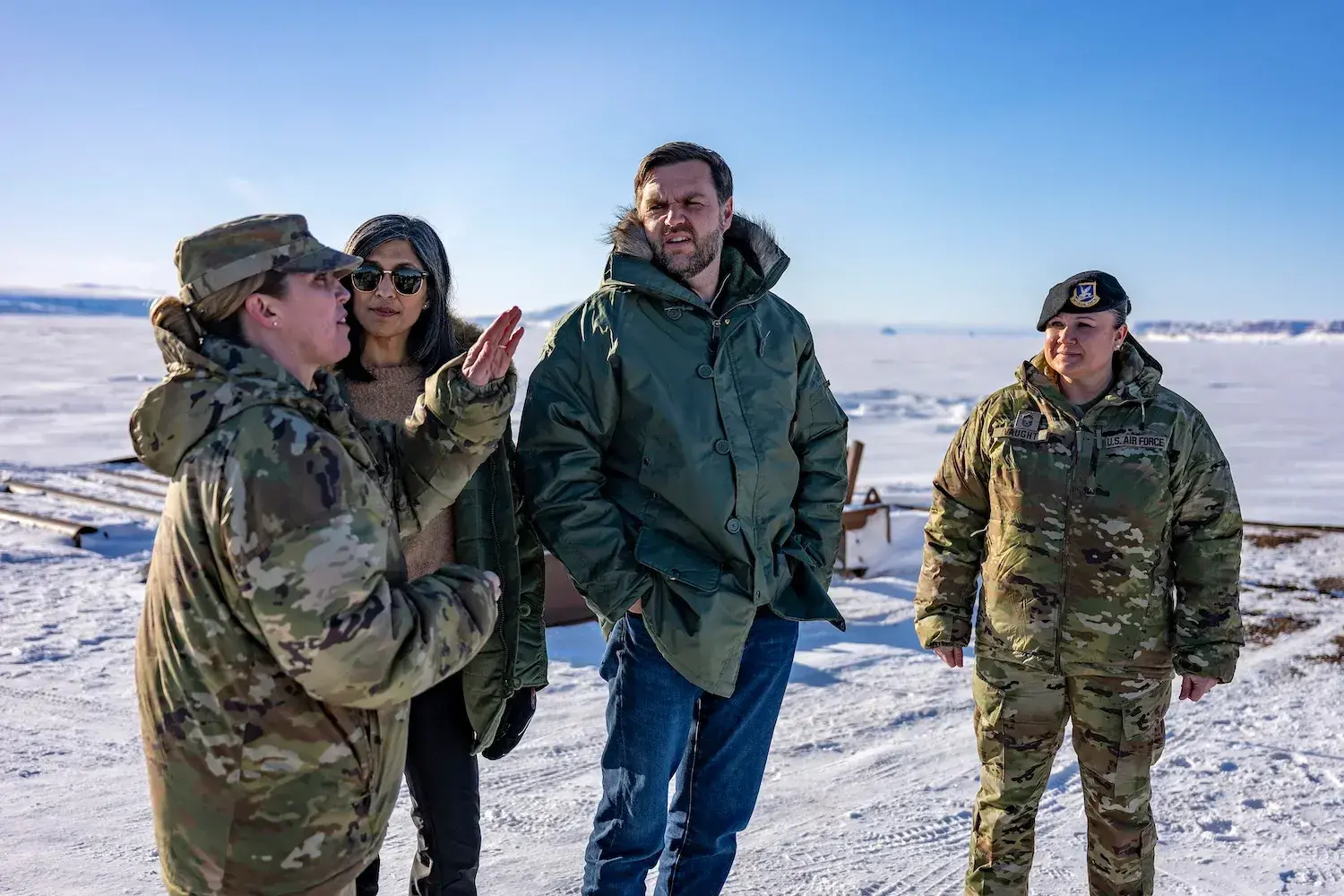 Donald Trump Proposes Long-Term Security Oversight for Greenland
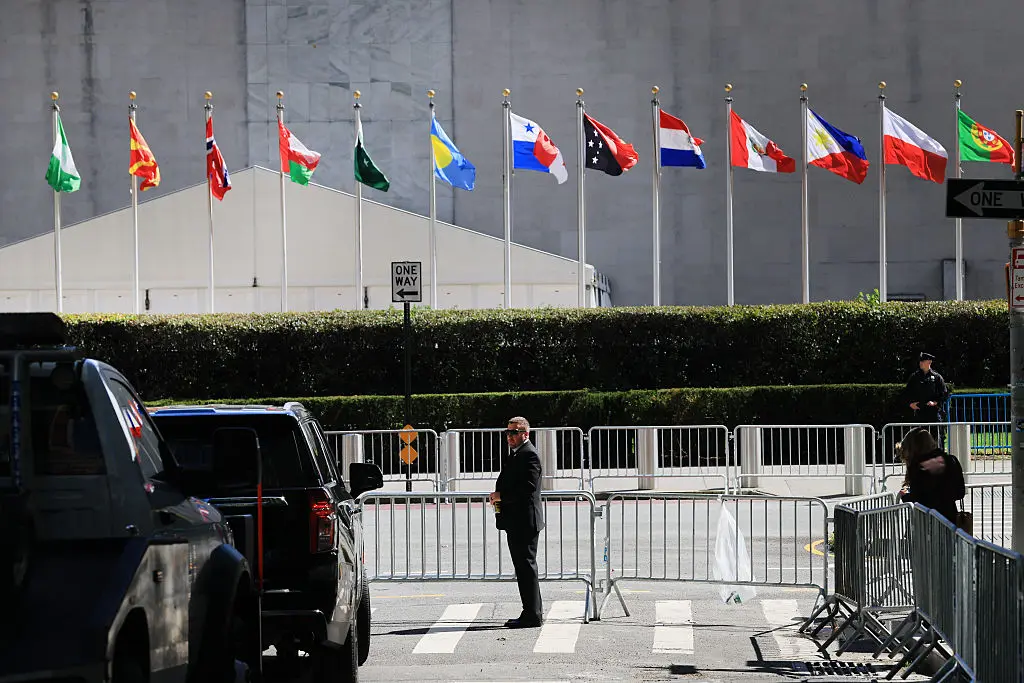 Tensions Escalate Between Washington and Tehran During UN General Assembly
 Stock Market Futures Hold Steady Following Strong Monday Rally
The upcoming summit marks a significant moment in Anglo-American diplomacy. Burnham’s administration has recently adjusted its foreign policy stance. This shift includes new commitments regarding regional security. The move aims to strengthen ties with key partners. It also seeks to clarify Britain’s role in global conflicts. Observers note that this approach differs from previous governments. The strategy focuses on practical military cooperation rather than broad ideological statements.
The core of Burnham’s recent diplomatic activity involves Saudi Arabia. The British government offered military support to the Gulf state. This assistance includes advanced defense systems and joint training programs. The decision was made after extensive internal consultations. Officials argued that a stronger Saudi position would stabilize the region. Critics questioned whether this commitment aligned with broader human rights goals. Supporters claimed it was a necessary step toward long-term peace. The agreement signals a deeper integration of UK forces into regional security architectures.
Will New Alliances Reshape Regional Dynamics?
Burnham emphasized that the partnership is based on shared interests. He stated that mutual security benefits both nations. The military aid package includes logistics support and intelligence sharing. These elements are designed to enhance operational readiness. The move has been closely watched by other European allies. They are assessing how Britain’s new direction affects collective strategies. Some leaders expressed cautious optimism about the renewed engagement. Others remain concerned about potential resource allocation challenges.
The relationship between London and Washington remains central to this strategy. Burnham’s meeting with Trump will likely focus on these bilateral issues. Both leaders plan to discuss trade, technology, and defense. They may also review ongoing negotiations in the Middle East. The UN debut provides another platform for Burnham to articulate his vision. He intends to use the stage to promote multilateral cooperation. However, the primary focus remains on the bilateral talks in Washington. Analysts suggest that the outcome could influence future NATO discussions. The success of these meetings depends on clear communication channels.
The diplomatic calendar is now packed with high-stakes interactions. Burnham must balance domestic priorities with international obligations. His team is preparing detailed briefings for the White House visit. Key topics include energy security and digital infrastructure. The government hopes to secure favorable terms for British industries. In return, the US expects greater alignment on strategic objectives. This interdependence defines the current diplomatic landscape. The coming weeks will test the resilience of these new arrangements.
Frequently Asked Questions
Who is meeting with President Trump next? Prime Minister Andy Burnham will hold the meeting. It will be their first formal encounter as leaders.
What did the UK offer to Saudi Arabia? Britain provided military support including defense systems. This aid aims to boost regional stability.
When will Burnham speak at the UN? His debut address is scheduled soon. It follows the White House summit.