The Geography of Political Rhetoric
Residents across Los Angeles and San Diego are expressing deep concern following recent remarks by Donald Trump suggesting that Iran could target their cities with nuclear weapons. The comments have sparked widespread anxiety throughout Southern California, leaving many locals questioning the reality of the threat and the political rhetoric driving such alarming statements.
Latest news
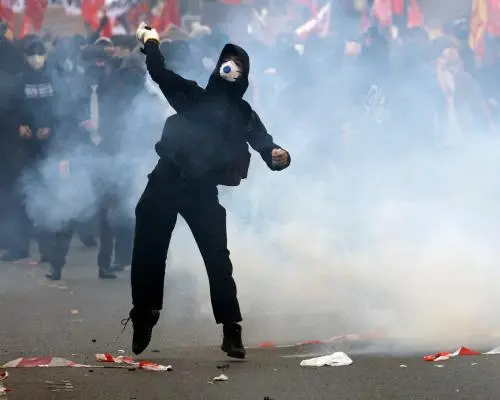 French Students Face Harsh Crackdown During Nationwide School Protests
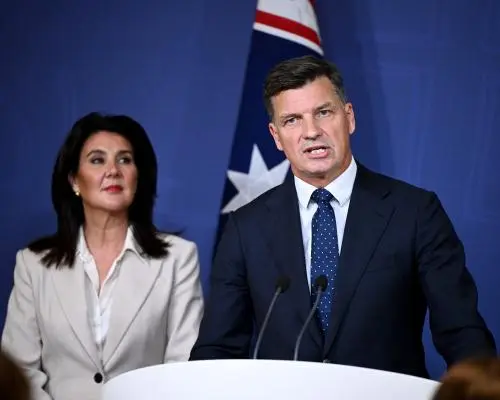 Coalition Admits Immigration Policy Lacks Full Independent Costing
 Tony Wilson and the Factory Records Legacy Return to Cinemas
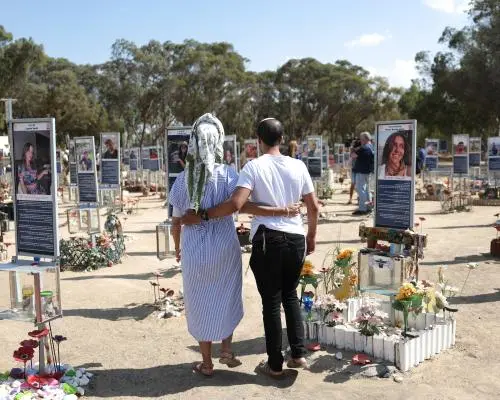 Israel Marks Three Years Since the October 7 Hamas Attacks
The former president’s hypothetical scenario has resonated differently across the two major coastal hubs. In Los Angeles, many citizens described the suggestion as profoundly distressing, noting that the mere mention of their neighborhoods as potential targets creates an unnecessary atmosphere of fear. Meanwhile, in San Diego, residents have reacted with a mix of confusion and skepticism, with some dismissing the remarks as political posturing rather than a credible military assessment.
The tension stems from Trump’s public musings during a recent campaign appearance. He posited that major American cities could be vulnerable to Iranian aggression, specifically naming Los Angeles and San Diego. For many, these comments feel detached from the actual geopolitical realities of the region. Local officials have largely remained silent, avoiding the amplification of what many experts consider to be baseless fear-mongering.
Is the Threat Based on Reality?
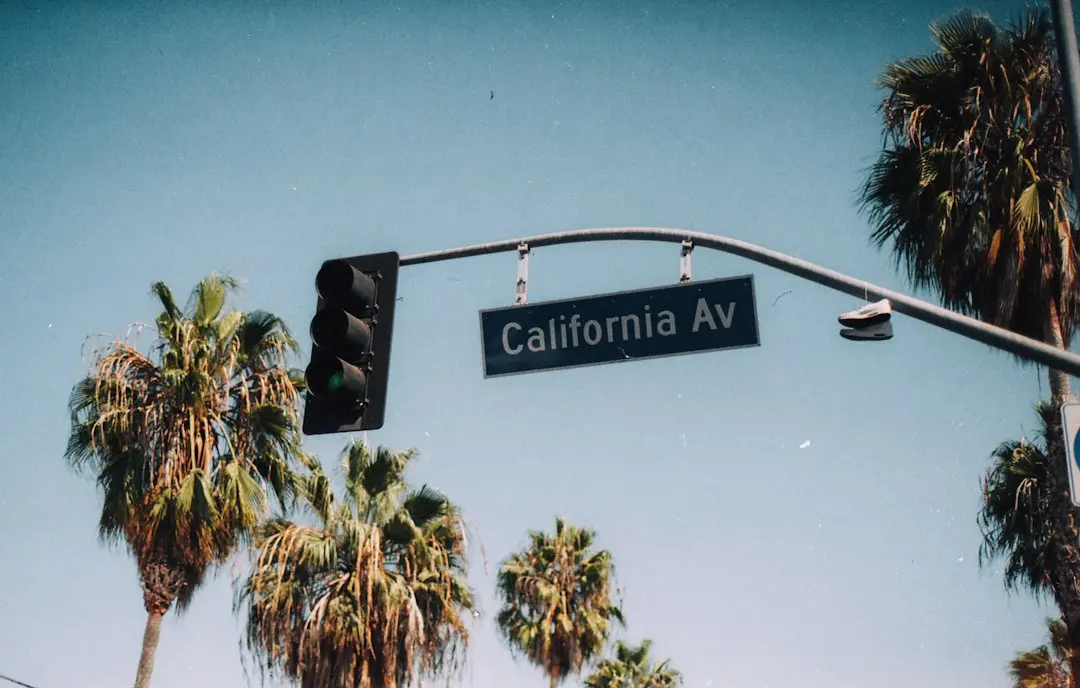
The psychological impact on the public is significant. In densely populated areas like Jefferson Park, the imagery of such a threat can be unsettling. People are struggling to reconcile their daily lives with the sudden framing of their homes as strategic targets in a broader international conflict. This has led to heated debates on social media regarding the responsibility of political leaders when discussing national security.
Security analysts have largely downplayed the likelihood of such a direct strike on domestic soil. They emphasize that international tensions, while volatile, do not equate to imminent nuclear threats against specific American municipalities. Most experts view the rhetoric as a tactical move to influence voter perception rather than a reflection of intelligence data.
Frequently Asked Questions
The long-term consequences of this discourse remain to be seen. If political figures continue to use major cities as pawns in their foreign policy arguments, public trust in security briefings may erode. Residents are now left to navigate a climate where national security discourse feels increasingly unpredictable and disconnected from their lived experiences.
Why did Trump specifically mention Los Angeles and San Diego? The former president likely chose these cities to emphasize the vulnerability of the West Coast. By naming prominent, densely populated areas, he aimed to make the potential threat feel more tangible to a broad audience.
Are these cities actually at risk of an Iranian strike? National security experts have provided no evidence to support the claim that these cities are targeted. The comments are widely regarded as political rhetoric rather than a reflection of current intelligence or military strategy.