Escalating Tensions on Campus Grounds
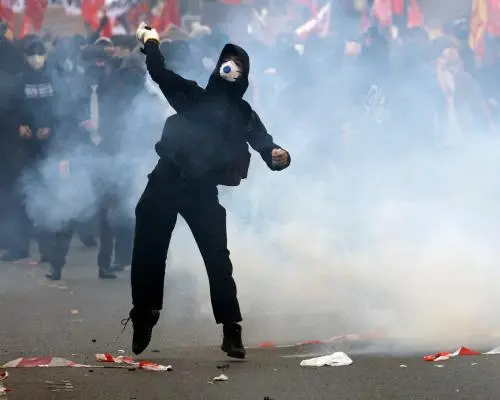
High school students across France are currently staging widespread demonstrations to demand fundamental improvements to the national education system. These protests, which have erupted in cities including Paris, highlight deep-seated frustrations regarding school infrastructure, staffing shortages, and systemic inequality. Authorities have responded to these student-led actions with significant force, sparking intense national debate.
Latest news
 Coalition Admits Immigration Policy Lacks Full Independent Costing
 Tony Wilson and the Factory Records Legacy Return to Cinemas
 Israel Marks Three Years Since the October 7 Hamas Attacks
 Hospitals Struggle in Occupied Ukraine Amidst Dire Shortages
The students are calling for urgent government investment to repair aging school buildings. They also demand the immediate replacement of absent teachers and a reduction in overcrowded classrooms. Many protesters argue that current academic timetables are unsustainable and that the government must address the widening educational gap between wealthy and impoverished districts.
The atmosphere at these demonstrations has become increasingly volatile as police interventions grow more aggressive. While students maintain that their grievances are reasonable and necessary for their future, officials have treated the gatherings as public order threats. This heavy-handed approach has drawn sharp criticism from observers who believe the state is silencing the legitimate concerns of the youth.
Can Dialogue Replace the Current Confrontation?
The disparity between the students' peaceful demands and the violent response has polarized public opinion. Supporters of the movement argue that the government is ignoring the crumbling state of public education. Meanwhile, some officials maintain that strict security measures are required to prevent the protests from disrupting the broader academic environment.
The ongoing unrest raises critical questions about the future of French educational policy and the government's willingness to listen. If authorities continue to prioritize suppression over negotiation, the risk of further escalation remains high. Students are showing no signs of backing down until their core requirements for a safer, more equitable learning environment are met.
Frequently Asked Questions
The long-term impact of these protests will likely depend on whether the Ministry of Education chooses to engage in meaningful reform. Without a clear path toward addressing these systemic issues, the cycle of classroom walkouts and street confrontations is expected to persist throughout the academic year.
What are the main demands of the protesting students? The students are seeking better school infrastructure, more teachers, smaller class sizes, and a reduction in heavy workloads. They also want to close the inequality gap between different regional schools.
Why has the government response been criticized? Critics argue that the state is using excessive force against students who are merely advocating for their right to a quality education. This violent approach is seen as an attempt to suppress legitimate public discourse.