Violence Hits Educational Hubs
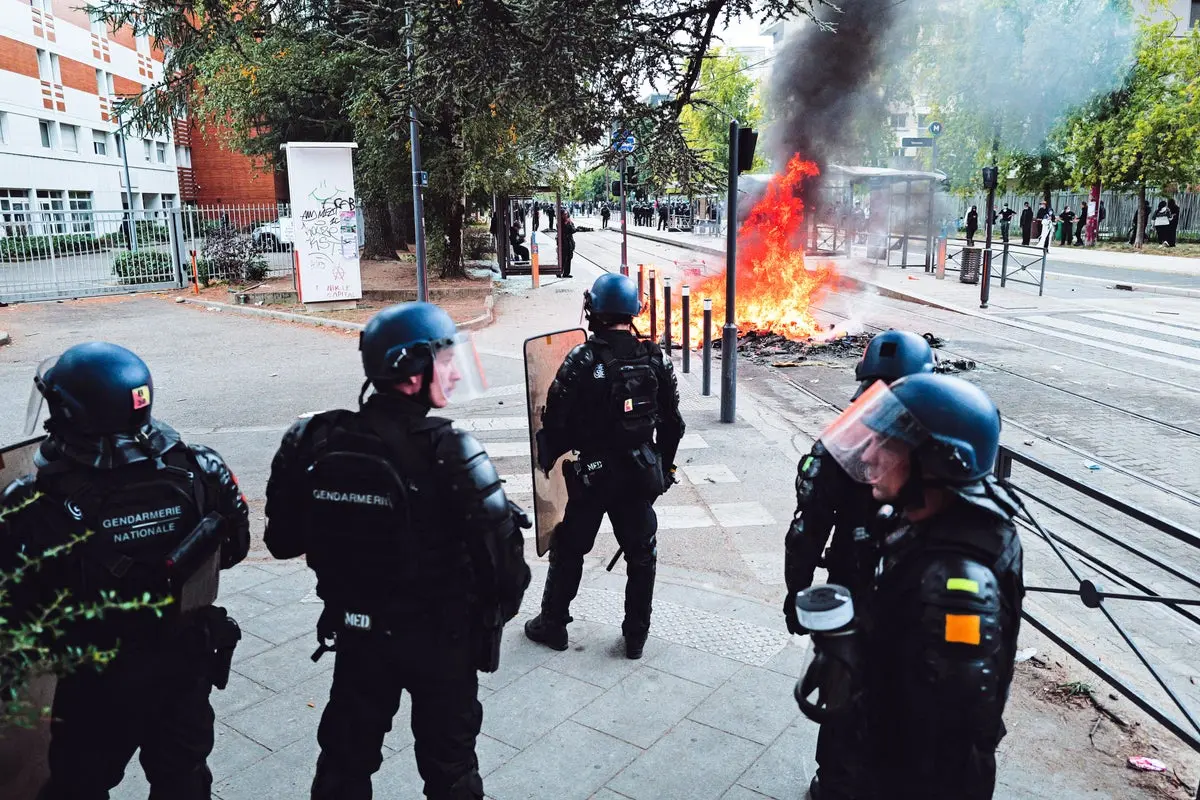
A wave of student demonstrations has spread across France, prompting the closure of more than 400 schools nationwide. On October 2, 2026, the situation escalated when a school in the western city of Nantes was set ablaze, and the front façade of another institution in Le Havre suffered fire damage. Fire crews responded to both incidents, confirming that the blaze in Nantes was deliberate and that the damage in Le Havre was caused by a nearby explosion.
Latest news
 Indonesia Finance Chief Signals He’ll Stay Neutral Amid Prabowo’s Economic Push
 International Space Station Considered for Nobel Peace Prize
 Israeli Prime Minister Claims Flydubai Pilot Is Omani, U.S. Considers Deploying 10,000 Troops
 Europe Sees Surge in Data Center Jobs as Digital Demand Spikes
The protests began earlier this month as students rallied against proposed changes to the national education system. The demonstrations quickly grew in size and intensity, with clashes between demonstrators and police reported in several major cities. The violence has forced school administrations to suspend classes for safety reasons, as authorities assess the risk of further damage and potential harm to students and staff.
In Nantes, the fire that engulfed a secondary school was discovered in the early afternoon. Firefighters reported that the blaze started in the building’s courtyard and spread rapidly to the main classroom block. No injuries were reported, but the school was rendered unusable for the remainder of the academic term. In Le Havre, a nearby explosion damaged the exterior of a primary school, causing cracks in the façade and forcing the building to be temporarily shut down for repairs. Local officials have warned that similar incidents could occur as the protests continue.
Disruption to Learning and Safety Measures
The incidents have drawn national attention to the fragility of educational infrastructure during periods of civil unrest. Local police have increased patrols around schools, and emergency services are on standby to respond to any further emergencies. Meanwhile, the Ministry of Education has urged parents to keep children at home until the situation stabilises.
The closure of more than 400 schools has disrupted the academic calendar, forcing teachers to shift to remote learning platforms. Many students have expressed concern about the impact on their studies, especially those preparing for national examinations. The Ministry has pledged to provide additional resources to affected schools, including temporary classrooms and support staff.
Safety protocols have been reviewed across the country. School districts are conducting risk assessments and reinforcing security measures. In addition, the government has announced a task force to investigate the causes of the fires and to coordinate a response plan for future incidents. The aim is to protect students while maintaining the integrity of the educational system.
The long‑term consequences of the current unrest remain uncertain. Some experts warn that the damage to public trust in the education system could take years to repair, while others argue that the protests may lead to meaningful reforms. For now, the priority for authorities is to ensure the safety of students and staff and to restore normalcy as quickly as possible.
Frequently Asked Questions
Why were so many schools closed? Authorities closed schools to protect students and staff from potential violence and to prevent further damage to educational facilities.
How many schools were affected? Over 400 schools nationwide were shut down following the escalation of protests and incidents of violence.
What happened in Nantes? A secondary school in Nantes was deliberately set on fire, causing extensive damage but no injuries. Fire crews confirmed the blaze was linked to the ongoing protests.