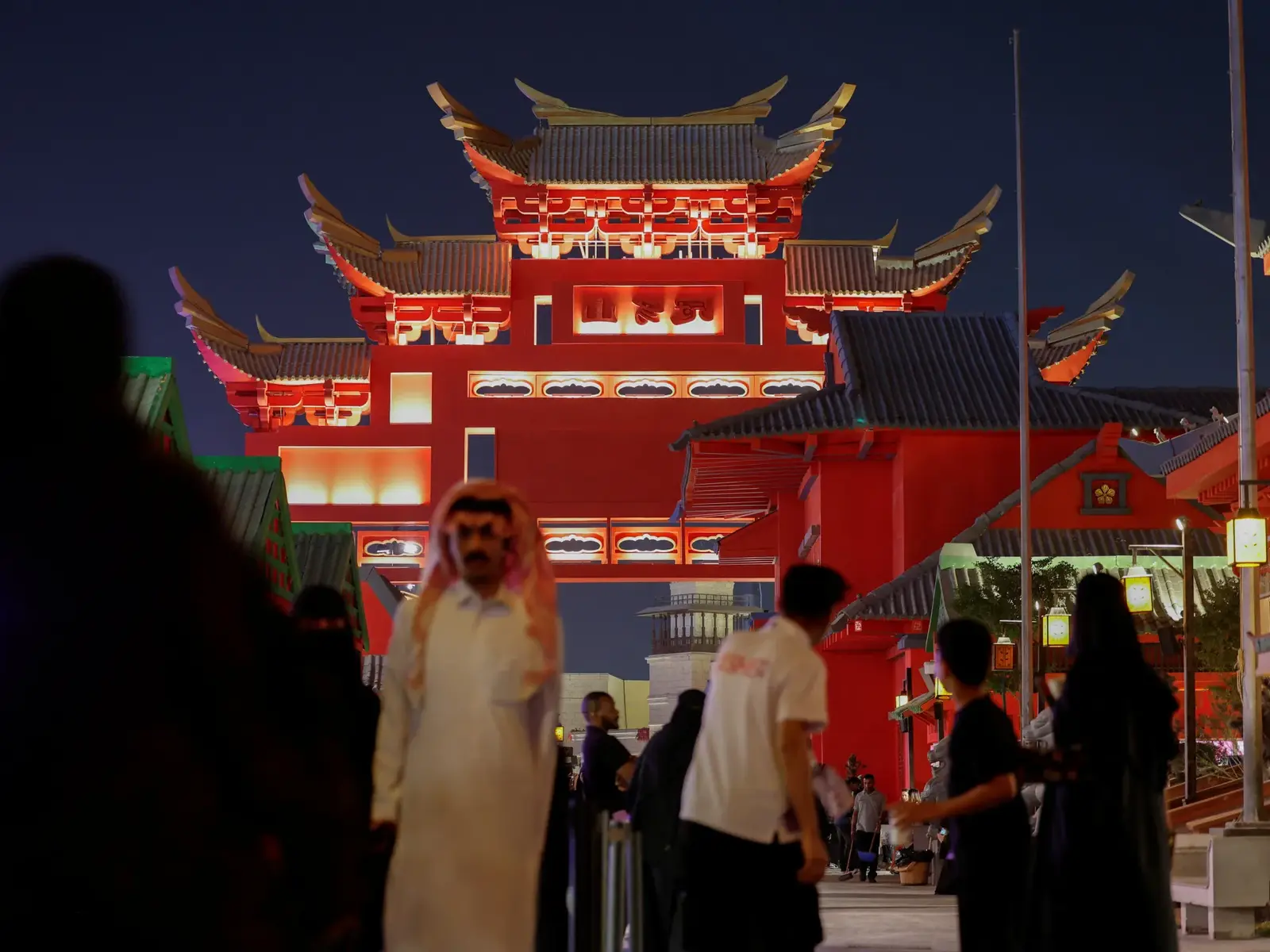
Economic Leverage Over Military Presence
Beijing is increasingly viewed as a key player in the Persian Gulf, yet it does not need to assume the role of the United States to secure its interests. Analysts argue that China can establish significant regional leverage without expanding its military footprint or engaging in excessive force. This strategic posture allows Beijing to maintain influence while avoiding the costly commitments often associated with traditional great power competition in the Middle East.
Latest news
 Anthropic Announces $31 Billion Data Centre Deal in Western Queensland
 Veteran Journalist Hugh Riminton Announces Retirement After Nearly Five Decades
 How the 1980s Permanently Shaped America
 Victorian Police Gain Random Stop-and-Search Powers Under New Jacks Law
The core argument suggests that China’s primary objective is economic stability rather than military dominance. By focusing on trade, energy security, and diplomatic engagement, Beijing positions itself as a reliable partner for Gulf states. This approach contrasts sharply with the historical US presence, which has frequently involved direct military intervention and security guarantees. China’s strategy relies on soft power and economic interdependence to bind the region to its global supply chains.
China’s influence in the Gulf is driven largely by its status as a major importer of hydrocarbons. The country’s massive demand for oil and gas creates a natural dependency that serves as a powerful tool for negotiation. Gulf monarchies recognize that maintaining strong ties with Beijing ensures a steady market for their exports. This economic gravity allows China to shape regional policies without deploying large numbers of troops or establishing extensive naval bases.
Can Beijing Sustain Influence Without Troops?
Furthermore, Beijing invests heavily in infrastructure projects across the region. These investments create long-term bonds between Chinese firms and local governments. Such partnerships foster goodwill and integration into the Chinese economic sphere. Unlike military alliances, these commercial ties are less likely to trigger defensive reactions from other regional powers. They offer a path to influence that is perceived as mutually beneficial rather than hegemonic.
The question remains whether economic strength alone is sufficient to protect Chinese interests during times of crisis. While China maintains a small naval presence in the area, it lacks the extensive network of airbases and logistics hubs found in the West. Critics suggest that this limitation could leave Chinese assets vulnerable if regional conflicts escalate. However, proponents argue that China’s growing diplomatic reach provides alternative mechanisms for conflict resolution and protection.
Beijing has demonstrated a preference for mediation and dialogue in recent regional disputes. This diplomatic agility allows it to act as a neutral broker, enhancing its prestige among Gulf leaders. By avoiding the pitfalls of military entanglement, China preserves its flexibility. It can engage with various factions without being forced to take sides in complex local conflicts. This balanced approach minimizes the risk of alienating key partners in the region.
The outlook for China’s role in the Gulf suggests a gradual consolidation of influence. As the United States continues to reassess its global commitments, Beijing may fill certain diplomatic voids. However, it is unlikely to fully replace American military capabilities in the near future. Instead, the region will likely see a dual-track system where both powers coexist. Gulf states will continue to balance relationships with both nations to maximize their own strategic options.
Frequently Asked Questions
Does China plan to station large armies in the Gulf? No, current strategies focus on economic and diplomatic tools. Beijing prefers to avoid the heavy logistical burden of maintaining large standing forces in the region.
How does China protect its trade routes? China relies on a combination of naval patrols and diplomatic pressure. It works with local partners to ensure safe passage without unilateral military action.
Is the US leaving the Gulf entirely? Not entirely, but its role is shifting. Washington remains militarily active but faces pressure to reduce direct operational involvement in daily regional affairs.