
Shifting Alliances and Regional Security Priorities
The United States remains cautious regarding direct military involvement in the ongoing conflict between Saudi Arabia and Houthi rebels in Yemen. Despite repeated drone and missile strikes targeting Saudi territory, Washington has avoided a full-scale defensive intervention. This policy reflects a complex balancing act between regional security commitments and the desire to avoid further escalation in a volatile theater.
Latest news
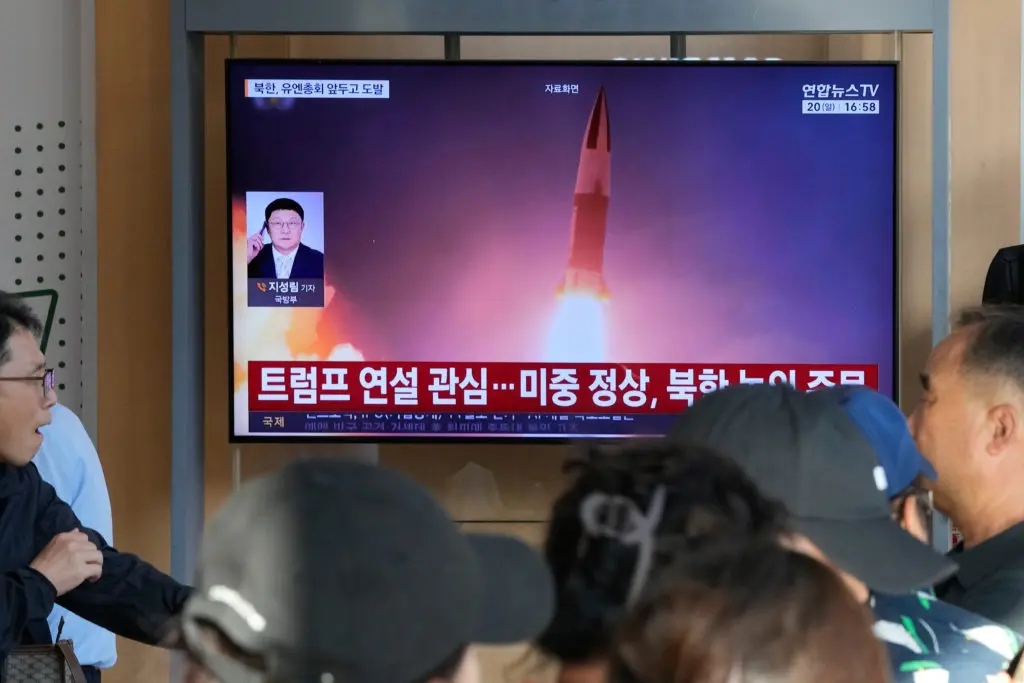 North Korea Fires Two Ballistic Missiles Over the Sea, Intensifying U.S. Tensions
 Liberal Democrats unveil two billion pound fuel tax cut plan
 Reversal for CDU in Two German State Elections
 The Deportation Project: Inside Trump Administration's Secret Agreements
The Houthi movement has intensified its campaign against Saudi infrastructure, creating a persistent security threat for the kingdom. While the U. S. provides intelligence and logistical support to its regional allies, it has stopped short of deploying combat troops or engaging in direct offensive operations. This restraint stems from a broader shift in American foreign policy, which prioritizes diplomatic solutions over deepening military entanglements in Middle Eastern civil wars.
The relationship between Washington and Riyadh has faced significant scrutiny in recent years. Skepticism remains high regarding the long-term effectiveness of military solutions to the Yemeni crisis. American officials emphasize that a lasting peace requires a political settlement rather than a cycle of retaliatory strikes. By limiting its role, the U. S. exerts pressure on all parties to seek a negotiated end to the hostilities.
Is Total Neutrality a Viable Long-Term Strategy?
Furthermore, the domestic political landscape in the United States complicates the prospect of military escalation. Lawmakers have expressed growing concern over the humanitarian fallout of the conflict in Yemen. This legislative pressure limits the administration's ability to offer unconditional military backing for Saudi-led operations. Consequently, the U. S. remains focused on containment and de-escalation efforts rather than direct combat participation.
The lack of direct intervention creates a vacuum that regional rivals are eager to exploit. Saudi Arabia continues to seek stronger security guarantees to protect its borders and oil facilities from persistent aerial threats. As the Houthis refine their strike capabilities, the risk of a miscalculation that forces a wider regional conflict grows daily. The U. S. must now navigate the thin line between encouraging diplomacy and ensuring the basic security of its strategic partners.
Moving forward, the situation remains precarious. If diplomatic efforts fail to yield results, the U. S. may face renewed pressure to reconsider its stance. For now, the strategy remains rooted in limited engagement and a heavy reliance on international mediation to prevent a broader regional catastrophe.
Frequently Asked Questions
Why does the U. S. avoid direct combat in Yemen? The U. S. prioritizes a political resolution to the conflict and aims to avoid further military entanglement in regional civil wars. Domestic political concerns regarding the humanitarian crisis also restrict direct intervention.
What is the current U. S. role in the conflict? The U. S. provides limited intelligence and logistical support to Saudi Arabia. It focuses primarily on diplomatic mediation and encouraging all sides to reach a ceasefire.
What are the risks of this non-interventionist approach? Continued restraint could leave Saudi infrastructure vulnerable to ongoing Houthi strikes. It also risks creating a security vacuum that may embolden regional actors and prolong the instability in Yemen.