Economic strain from the pandemic and locust infestations has further weakened
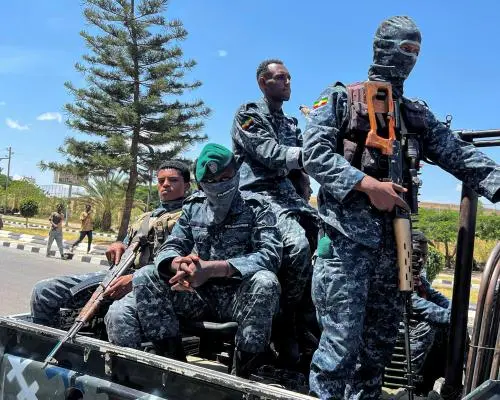
The Nobel Peace Prize committee's upcoming announcement draws attention to Ethiopia's deteriorating security situation, where Prime Minister Abiy Ahmed's 2019 award for ending the Eritrea border conflict now stands in stark contrast to rising internal violence. A year after the historic peace deal with Eritrea, the country faces deepening fractures that threaten to unravel regional stability, with reports indicating renewed clashes in multiple regions and growing humanitarian concerns. The initial optimism following the Ethiopia-Eritrea peace agreement has given way to alarm as internal conflicts intensify, particularly in Tigray and other northern regions. What began as a diplomatic breakthrough has been undermined by power struggles, ethnic tensions, and accusations of human rights abuses, creating a complex crisis that extends beyond Ethiopia's borders.
Latest news
 Leader of Jewish Greens Calls for Polanski to Step Down After Defeat
 EU Unveils Critical Mineral Projects List Focused on Clean Energy Metals
 Navanethem „Navi” Pillay Wins 2026 Nobel Peace Prize for Advancing Global Justice
 The Supreme Court’s recent ruling has reignited the fight against conversion therapy for LGBTQ+ youth
International observers warn that the situation risks triggering a broader regional destabilization if not addressed urgently. How Did a Peace Award Precede Such Rapid Deterioration? The contrast between Abiy Ahmed's international recognition for peacemaking and the current violence highlights fundamental flaws in the peace process's implementation. While the Eritrea agreement ended a decades-long stalemate, it did not address Ethiopia's deep-seated internal divisions, particularly regarding regional autonomy and ethnic representation. Critics argue the prime minister's focus on external diplomacy neglected urgent domestic reconciliation efforts, allowing grievances to fester and erupt into open conflict. What Specific Factors Are Fueling the Current Escalation? Multiple interconnected drivers are exacerbating the violence, including disputed elections, territorial disputes between regional states, and the involvement of external actors. The Tigray conflict, which began in late 2020, has drawn in neighboring countries and created massive displacement, with millions requiring humanitarian aid.
Economic strain from the pandemic and locust infestations has further weakened community resilience, making populations more vulnerable to recruitment by armed groups and exacerbating food insecurity in affected areas. Could International Intervention Prevent a Full-Scale Regional Crisis? Diplomatic efforts continue through African Union mediation and UN humanitarian channels, but access restrictions and distrust among parties hinder effective intervention. Sanctions and aid conditionality have been debated as potential tools, though their effectiveness remains uncertain without credible guarantees for ceasefires and humanitarian corridors. The coming months will test whether regional bodies can enforce meaningful pressure or if the conflict will continue to spiral, potentially drawing in Sudan, Somalia, and Kenya through refugee flows and cross-border militia activity. Frequently Asked Questions What triggered the recent escalation in violence after the Ethiopia-Eritrea peace deal?
How has the humanitarian situation evolved in conflict-affected regions?
The peace agreement with Eritrea did not resolve internal power struggles, particularly regarding Tigray's regional autonomy, leading to a military confrontation that began in November 2020 when federal forces moved against the Tigray People's Liberation Front.
How has the humanitarian situation evolved in conflict-affected regions? Over two million people have been displaced internally, with widespread reports of food shortages, destroyed infrastructure, and limited access to basic services, prompting repeated UN warnings about famine risks in Tigray and neighboring areas.
What role has Eritrea played in the current conflict despite the 2019 peace deal? Eritrean forces have been accused of participating in operations in Tigray alongside Ethiopian federal troops, raising concerns about violations of the peace agreement's spirit and complicating diplomatic efforts to de-escalate the situation.