What Triggered the Latest Escalation?
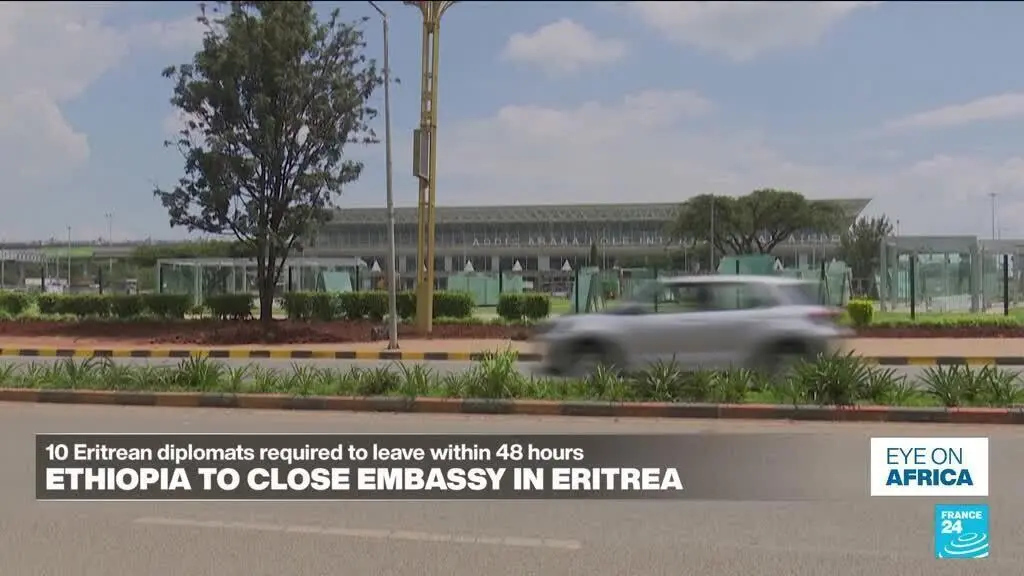
Ethiopia and Eritrea announced the complete breakdown of diplomatic relations on October 1, 2026, accusing each other of fueling internal instability along their shared border. The decision follows months of rising tensions and mutual allegations of supporting rebel groups operating in border regions. Both governments declared the move effective immediately, recalling ambassadors and closing embassies in each other's capitals.
Latest news
 Indonesia Finance Chief Signals He’ll Stay Neutral Amid Prabowo’s Economic Push
 International Space Station Considered for Nobel Peace Prize
 Israeli Prime Minister Claims Flydubai Pilot Is Omani, U.S. Considers Deploying 10,000 Troops
 Europe Sees Surge in Data Center Jobs as Digital Demand Spikes
The rupture marks a dramatic deterioration in relations between the two Horn of Africa nations, which had signed a peace agreement in 2018 ending a two-decade stalemate. Ethiopian officials claim Eritrea has been arming and training insurgents active in Ethiopia's Tigray and Afar regions, contributing to renewed violence. Eritrea, in turn, accuses Ethiopia of harboring dissident groups seeking to overthrow Asmara's government and of allowing hostile forces to use Ethiopian territory for cross-border raids. International observers note increased military movements near the border and heightened rhetoric in state media on both sides.
How Will This Affect Regional Stability?
Diplomatic sources indicate the immediate catalyst was a series of cross-border incidents in September 2026, including alleged Eritrean drone strikes on Ethiopian military outposts and Ethiopian accusations of Eritrean support for an attack on a convoy in the Afar region. Ethiopia's foreign ministry stated Eritrea's actions constitute a blatant violation of sovereignty and the 2018 peace accord. Eritrea's information ministry countered that Ethiopia continues to shelter terroristsand fails to prevent incursions from its side. Neither country has presented verifiable evidence to back these claims, though regional analysts suggest longstanding mistrust over border demarcation and ethnic affiliations fuels the discord.
The breakdown threatens to destabilize an already fragile region, potentially disrupting humanitarian aid flows and trade corridors vital to landlocked Ethiopia. Eritrea's port of Assab, once used for Ethiopian trade, may see reduced activity, while refugee movements could increase as border communities face uncertainty. The African Union and United Nations have urged restraint, offering mediation, but both governments appear entrenched in their positions. Analysts warn the collapse of dialogue raises the risk of miscalculation, especially given the presence of external actors with interests in the region's resources and strategic location.
What does the severing of diplomatic ties mean for citizens? Ethiopian and Eritrean nationals currently in each other's countries may face difficulties with consular services, visa processing, and legal assistance. Routine travel between the nations will likely become more complex, requiring third-country transit or special permissions.
Frequently Asked Questions
Could this lead to renewed armed conflict? While both sides deny seeking war, the absence of diplomatic channels increases the risk of accidental escalation from border skirmishes. Experts emphasize that communication mechanisms, however limited, are crucial for preventing misunderstandings from spiraling into broader confrontation.
Is there any hope for reconciliation? Previous rapprochements have shown that dialogue can resume even after deep fractures, though it often requires external pressure or incentives. Regional bodies and international partners may seek to facilitate backchannel talks, but a swift resolution appears unlikely given the current level of mutual accusation.