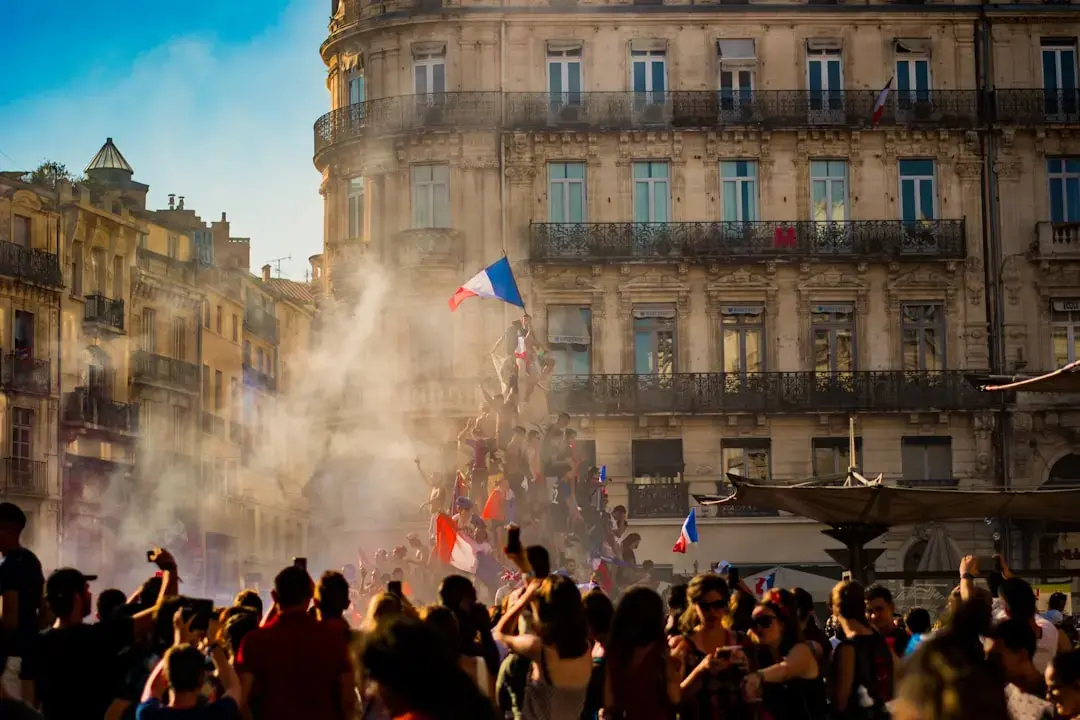
From Flames to Policy: How the Fires Exposed Gaps in EU Preparedness
European Commissioner for Preparedness and Crisis Management Hadja Lahbib addressed reporters in Brussels on July 13, 2026, after a series of devastating fires swept through southern France. The blazes, which forced thousands to evacuate and destroyed hundreds of homes, prompted the EU official to label the disaster a stark warning about climate inaction.
Latest news
 Swedish Voters Choose New Parliament as Left-Wing Coalition Projects to Win Majority
 Trump Announces End of US Tariff on Irish Whisky
 Frances Stonor Saunders, Author of CIA Cultural Espionage Exposé, Dies at 66
 Israel and Lebanon to Hold Security Talks in Rome This October
Lahbib said the fires highlighted how extreme weather is becoming the new normal across Europe. She warned that denying the link between rising temperatures and wildfires undermines collective security. The commissioner’s remarks came as EU foreign ministers gathered to discuss coordinated emergency response strategies, and she urged member states to adopt stronger mitigation measures.
The French wildfires burned over 12,000 hectares in just three days, overwhelming local firefighting resources. Lahbib noted that the EU’s current crisis‑response framework struggled to mobilise assets quickly enough, leaving regions to rely on ad‑hoc assistance. „We cannot afford fragmented responses when climate‑driven threats multiply,” she said. Data from the European Environment Agency shows a 40 % rise in heat‑related incidents over the past decade, a trend mirrored in the recent French blaze. The commissioner called for a unified rapid‑deployment unit, funded jointly by member states, to ensure swift assistance wherever fires erupt. She also advocated for increased investment in forest management, early‑warning systems, and cross‑border training exercises.
Can Europe Turn the Heat into Real Climate Measures?
Lahbib’s interview raised a pressing question: will the EU translate this alarm into concrete policy? She argued that the fires should trigger a revision of the EU’s climate resilience agenda, integrating stricter emissions targets with disaster‑risk reduction plans. Critics of the EU’s climate policy argue that economic concerns often delay decisive action, but the commissioner warned that postponement only raises future costs. „Every day we wait, the price of inaction climbs,” she asserted. Observers note that the upcoming EU climate summit could become a pivotal moment, as member states face mounting public pressure to address the visible impacts of warming.
The French fires may reshape the EU’s approach to emergencies, pushing climate considerations to the forefront of security discussions. If the commission succeeds in securing a joint crisis‑response fund and tighter emission standards, Europe could set a global example of resilience. Conversely, failure to act could embolden climate skeptics and expose the bloc to more frequent, costly disasters.
Frequently Asked Questions
What caused the recent French wildfires? A combination of prolonged heatwaves, low humidity, and strong winds ignited dry vegetation, creating conditions that allowed the fires to spread rapidly.
How does the EU plan to improve crisis response? The commission proposes a centralized rapid‑deployment unit, shared funding for firefighting equipment, and enhanced cross‑border training to streamline assistance during emergencies.
Will the fires affect EU climate policy? Officials expect the disaster to accelerate discussions at the upcoming climate summit, potentially leading to stricter emissions targets and greater investment in resilience measures.