A New Crisis‑Decision Forum: How It Would Work
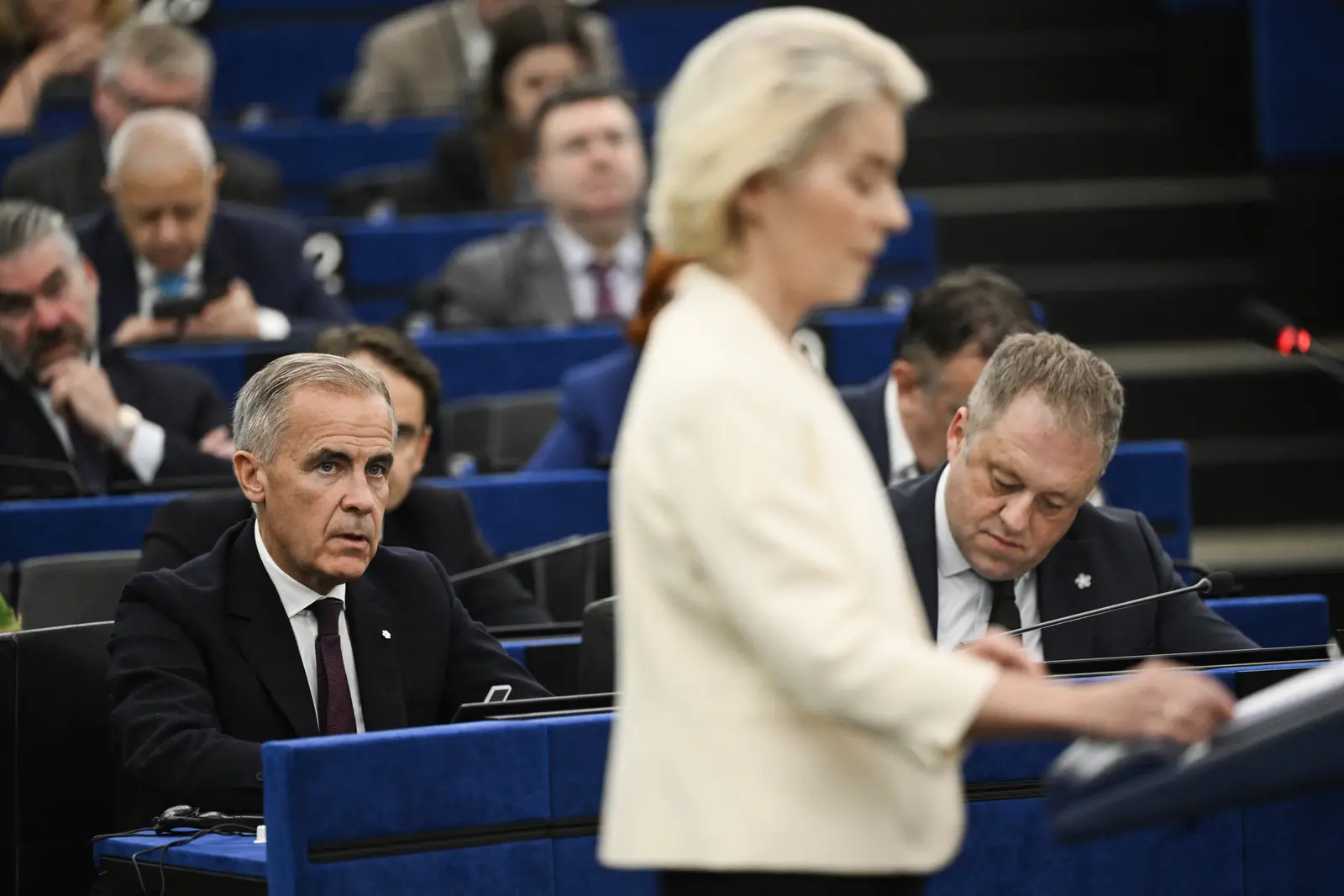
Ursula von der Leyen, the head of the European Commission, announced on Wednesday that the EU should assume a stronger role in security and in dealing with hybrid threats. The proposal was made during her annual policy address in Strasbourg, a move that could intensify the long‑standing rivalry between the EU and NATO over Europe’s defence responsibilities.
Latest news
 IMF Cuts Australia Growth Forecast Amid Rate Hike Warnings
 Nicaraguan Exile Journalist Luis Galeano Detained by U.S. ICE in Florida
 Congress Passes Bill Granting Trump Expanded Sanctions Authority
 AI pioneer Yoshua Bengio warns of imminent crisis
Von der Leyen suggested that the EU create a new forum for leaders to make rapid crisis decisions and to convene emergency talks. The idea is to give the bloc more authority to act swiftly when security challenges arise, especially those that blend conventional and non‑conventional tactics. She argued that the current system is too slow and fragmented, and that the EU must step up to protect its own interests without relying solely on NATO.
The proposed mechanism would bring together heads of state and government, along with key EU officials, to assess threats and decide on collective actions within a short time frame. Von der Leyen said the forum would operate under a clear legal framework, allowing the EU to deploy resources, coordinate intelligence, and launch joint operations when necessary. She also highlighted the need for better data sharing and a unified cyber‑defence strategy to counter hybrid warfare. Critics worry that such a structure could duplicate NATO’s capabilities and create confusion over command chains.
Could This Shift the Balance of Power?
Is the EU ready to assume a role traditionally held by NATO?
The Commission’s proposal has sparked debate among European leaders. Some view it as a necessary step toward greater strategic autonomy, while others fear it may undermine the trans‑Atlantic alliance. The European Council will need to decide whether to adopt the new forum, and the outcome could reshape how Europe responds to crises. If approved, the EU would gain a formal tool to coordinate defence actions, potentially reducing dependence on external partners. However, the initiative may also prompt NATO to reassess its own structures and responsibilities, leading to a recalibration of the security architecture on the continent.
Frequently Asked Questions
What is the main goal of the proposed crisis‑decision forum? The forum aims to give the EU the legal authority to act swiftly on security threats, coordinating resources and intelligence among member states.
How would this affect NATO’s role in Europe? It could create overlap in decision‑making and operational responsibilities, prompting NATO to review its own command structures.
Will the EU be able to deploy military forces independently? The proposal includes provisions for collective action, but actual deployment would still require consensus among member states and adherence to EU defence policy guidelines.