
Humanitarian Concerns Shape Cultural Policy
Ireland has announced it will not participate in the Eurovision Song Contest 2027, marking the second consecutive year the country has withdrawn from the competition. The decision follows similar action taken by the Netherlands earlier this year, with both nations citing the ongoing humanitarian crisis in Gaza as their primary reason for boycotting the event. Ireland's public service broadcaster confirmed the withdrawal on September 18, 2026, stating that participating would be inappropriate given the loss of civilian lives in the region.
Latest news
 China’s Fiscal Pullback Stretches Into August as Spending Slumps
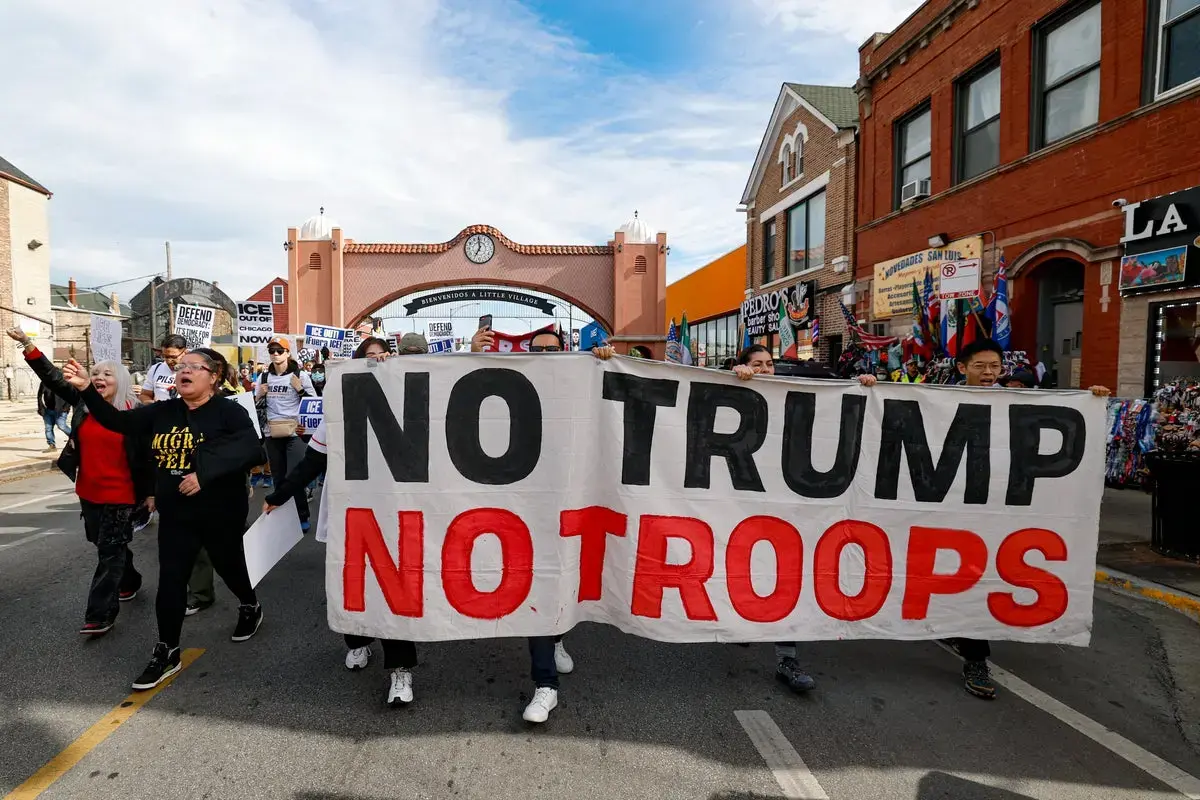 Pentagon Confirms Discussions on Deploying National Guard to Election Sites
 Earthshot Prize Highlights Positive Tipping Points in Clean Energy Transition
 Treasury Yields Show Mixed Signals Amid Policy Uncertainty
The Irish broadcaster emphasized that its decision stems from a commitment to humanitarian principles and solidarity with affected populations. Officials noted that the contest's apolitical stance conflicts with their responsibility to respond to international crises. This mirrors the Netherlands' earlier justification, which also referenced civilian casualties in Gaza as incompatible with the spirit of the competition. Both countries have faced internal debate over whether cultural engagement should continue during times of war, but ultimately chose to prioritize ethical considerations over participation.
What Impact Will This Have on Eurovision's Future?
Irish officials explained that the boycott reflects broader national policy regarding cultural engagement during conflicts. Government representatives stated that cultural institutions must align with ethical foreign policy positions, especially when civilian suffering is widespread. The broadcaster consulted with human rights groups before finalizing its decision, citing reports from international organizations about conditions in Gaza. While acknowledging Eurovision's role in promoting unity through music, Irish authorities argued that participation would implicitly endorse an environment where such crises are overlooked. The move has sparked domestic discussion about the role of arts in political expression, with some supporting the stance and others advocating for continued cultural dialogue despite geopolitical tensions.
The withdrawal of two participating nations raises questions about the contest's ability to maintain broad international representation amid rising geopolitical sensitivities. Eurovision organizers have traditionally maintained a neutral position, insisting the event remains apolitical despite occasional controversies. However, repeated boycotts could challenge this stance, potentially prompting revisions to participation guidelines or prompting deeper conversations about the intersection of culture and politics. Analysts suggest that if more countries follow suit, the competition might need to reassess how it addresses global crises while preserving its core mission of musical exchange. For now, Ireland's absence will be noted in the 2027 lineup, joining a growing list of nations opting out on humanitarian grounds.
Why did Ireland decide to boycott Eurovision 2027? Ireland withdrew due to the ongoing loss of civilian lives in Gaza, stating participation would be inappropriate given the humanitarian crisis and aligning with similar concerns raised by the Netherlands.
Frequently Asked Questions
Will Ireland return to Eurovision in future years? The broadcaster has not specified conditions for return, indicating the decision is based on current circumstances and will be reassessed depending on developments in the conflict and humanitarian situation.
How has Eurovision responded to previous boycotts? The contest organizers have consistently maintained their apolitical stance, emphasizing music as a unifying force while respecting individual countries' decisions to withdraw for personal or ethical reasons.