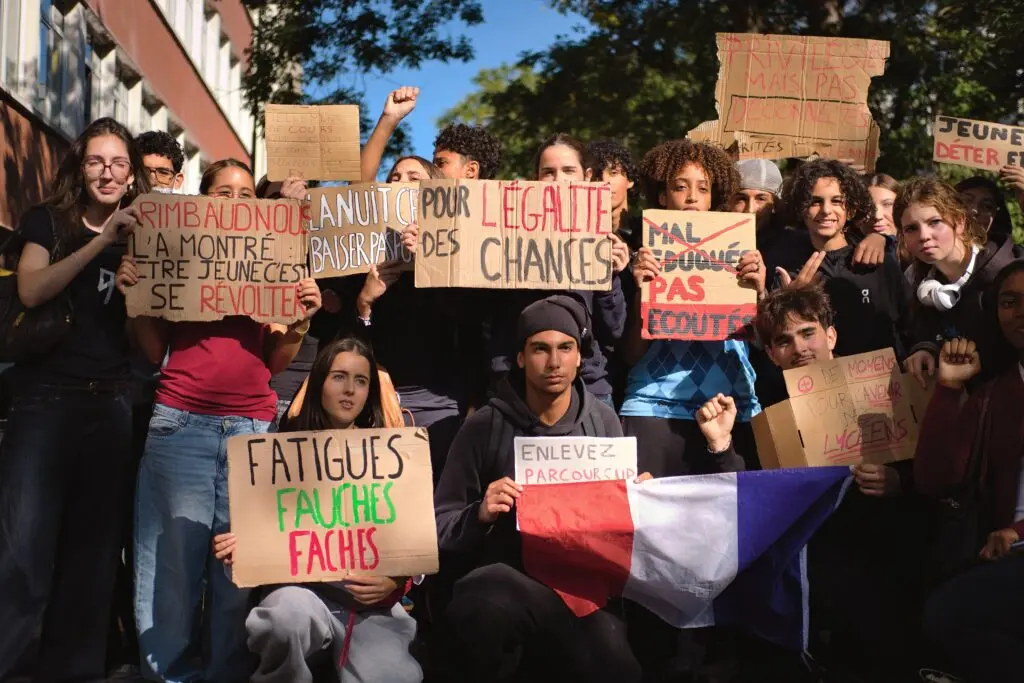
What drives the students’ blockade of French schools?
PARIS — Jean-Luc Mélenchon, the far-left candidate in France’s presidential race, called on his supporters to join nationwide demonstrations on Tuesday in solidarity with high school and college students blocking access to schools. He framed the protests as the most significant youth-led movement since May 1968, despite facing accusations that his rhetoric has contributed to violent clashes during recent unrest.
Latest news
 Spain's Socialist Fault Lines Test Pedro Sanchez
 Far-Right AfD Seeks Control of Saxony-Anhalt State Parliament
 Fuel Prices Surge in Italy as Tax Cuts Expire, Hauliers Threaten Action
 Ray Dalio Warns of US Debt Crisis Within 3 Years
Mélenchon emphasized that the student actions reflect a deep frustration with government policies on education and employment, arguing that young people are being ignored by the political establishment. He denied inciting violence, insisting that the protests are peaceful expressions of democratic dissent, even as authorities report injuries and property damage in several cities during confrontations between demonstrators and police.
How is the government responding to the growing unrest?
Students across France have occupied high school entrances and disrupted classes to protest proposed reforms they claim will increase inequality and limit access to higher education. Their actions include sit-ins, banner drops, and blocking traffic, often met with police intervention using tear gas and batons. Mélenchon framed these tactics as necessary resistance against what he describes as austerity-driven policies favoring corporations over youth.
The French government has condemned the school blockades as illegal and disruptive, warning that students could face disciplinary action for missing exams or violating school rules. Education officials have urged dialogue, but Mélenchon rejected negotiations unless protesters’ core demands are met. Police have increased patrols near schools, leading to repeated clashes that have drawn criticism from human rights observers over the use of force.
What specific reforms are students protesting against? Students are opposing changes to university admissions criteria and funding allocations they believe will disadvantage applicants from lower-income backgrounds and vocational tracks.
Frequently Asked Questions
Is Mélenchon officially organizing the protests? No, Mélenchon is not organizing the demonstrations but is publicly encouraging his base to participate in support of the students’ autonomous actions.
What are the risks of continued confrontations? Continued clashes could lead to more injuries, arrests, and a hardening of positions between youth activists and state authorities, potentially deepening social divisions ahead of the presidential election.