Why the Ban Is Controversial
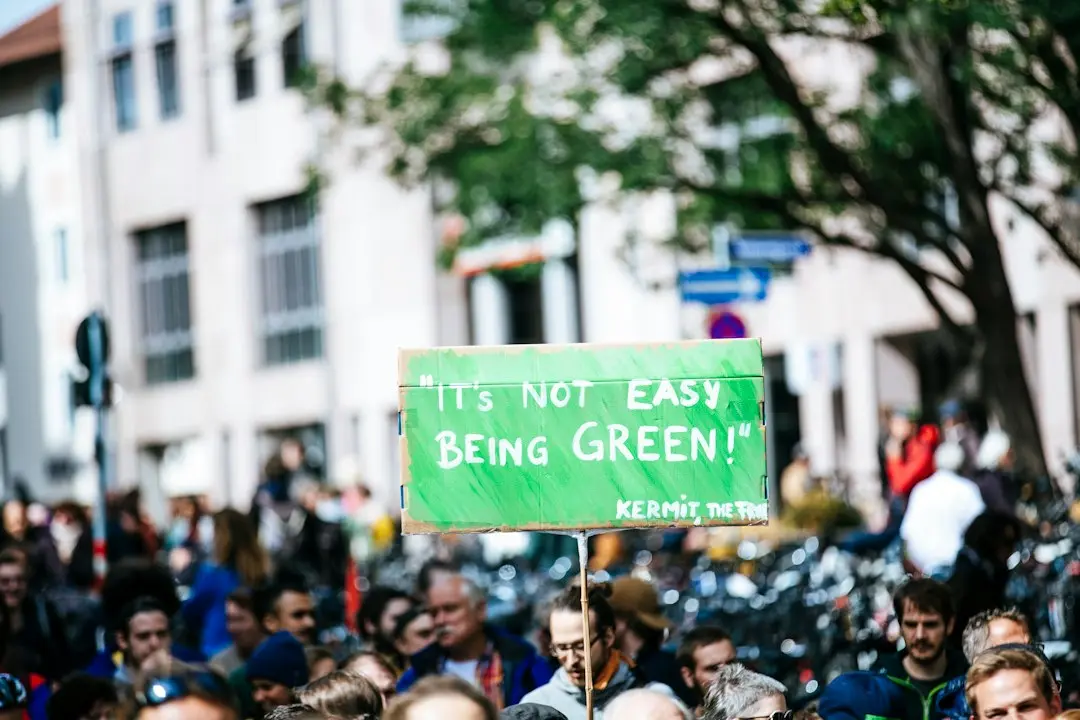
At a Brighton conference on Tuesday, Green Party leader Zack Polanski called for the removal of the legal ban on the group Palestine Action. He urged his colleagues to drop the charges, end the genocide and de‑proscribe the organisation, arguing that the ban stifles legitimate protest.
Latest news
 Student Protests Sweep Across France Amid Rising Tensions
 Bulldozers Eradicate Ancient West Bank Groves
 Global Trade Friction Deepens at G20
 Morocco Appoints First Female Prime Minister in Historic Shift
Polanski’s remarks came amid growing criticism of the UK’s stance on the Israel‑Palestine conflict. The group, which campaigns for Palestinian rights, has faced a prohibition that critics say infringes on free speech. Polanski said the ban was „unjust and counter‑productive” and that the party must stand united against what he described as a „genocide” in Gaza.
Can the Ban Be Lifted?
The prohibition on Palestine Action was enacted under the UK’s anti‑terrorism laws, which many activists claim are used to silence dissent. Polanski highlighted that the group’s activities are purely peaceful, focusing on advocacy and humanitarian aid. He argued that criminalising the organisation sends a message that criticism of Israel is unacceptable, a stance that clashes with the Green Party’s commitment to human rights and democratic values.
The party’s decision to support the de‑proscription reflects a broader debate within UK politics about the balance between national security and civil liberties. Critics of the ban argue that it undermines the right to protest and hampers efforts to address humanitarian crises in the region.
Impact on the Green Party’s Image
What would it take for the government to remove the ban? Polanski pointed to the need for a parliamentary review of the anti‑terrorism legislation. He suggested that a public inquiry could assess whether the restrictions on Palestine Action are proportionate. The Green Party is calling on lawmakers to reconsider the legal framework that allows such bans, urging a shift toward dialogue rather than suppression.
Frequently Asked Questions
The outcome of this push could set a precedent for other activist groups facing similar legal hurdles. If the ban is lifted, it may embolden civil society organisations to engage more openly in political discourse, potentially reshaping how the UK addresses international conflicts.
The call to de‑proscribe has already sparked debate within the party. Supporters see it as a bold stand for human rights, while opponents worry it could alienate moderate voters. Polanski’s stance may influence the party’s future electoral prospects, especially among younger voters who prioritize free speech and anti‑war positions. The Green Party will need to navigate the fine line between advocacy and political pragmatism as it moves forward.