
Disagreements Over Manufacturing Surpluses
A small group of G20 nations openly rejected Washington's stance on global manufacturing surpluses during a high-stakes ministerial summit in Milwaukee, Wisconsin, on Thursday, October 1, 2026. US Trade Representative Jamieson Greer defended the American policy position during a contentious press conference, highlighting deep divisions among the world's largest economies over trade enforcement and market protection measures.
Latest news
 Housing Crisis Threatens Spanish Government Stability
 Spaniards Demand Urgent Action Amid Mounting Housing Crisis
 Andy Burnham Wins Praise From Labour Voters Following Emotional Address
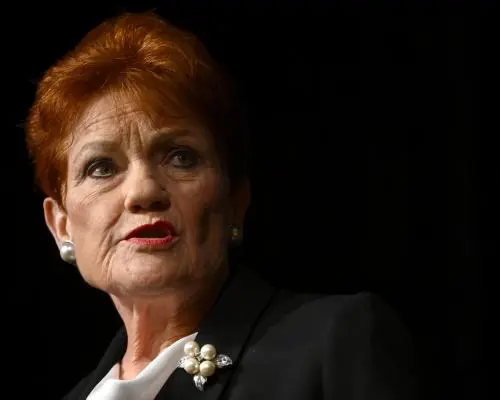 One Nation launches Victorian election campaign with controversial policy pledges
The diplomatic friction follows a series of aggressive tariff hikes implemented by the current US administration. Washington argues that foreign overproduction severely harms domestic industries and distorts international market pricing. Several prominent delegations, however, pushed back against this narrative, refusing to endorse the American assessment of industrial capacity and trade imbalances.
The Milwaukee gathering exposed a widening chasm between American trade negotiators and their international counterparts. US officials maintained that unilateral protective measures remain essential to safeguard domestic manufacturing sectors from unfair competition. Critics within the coalition contended that such tariffs violate established global trade rules and trigger retaliatory cycles that hurt all participating economies.
Can Global Trade Rules Survive US Tariffs?
Negotiators struggled to find common ground on how to measure or address factory output imbalances. While Washington pressed for stronger joint statements condemning excess capacity, key member states resisted language that could justify further import restrictions. The impasse overshadowed much of the ministerial agenda, leaving trade policy experts concerned about the future of multilateral economic cooperation.
The refusal of multiple G20 members to align with American trade policy signals mounting frustration with current US strategies. Observers warn that prolonged disagreements could paralyze future international trade negotiations and weaken the authority of global economic institutions. Without a unified approach to manufacturing capacity, nations may increasingly rely on protectionist barriers rather than cooperative solutions.
Frequently Asked Questions
Administrations on both sides face intense domestic pressure to protect local jobs while keeping supply chains stable. The standoff at the Milwaukee summit demonstrates that consensus on industrial policy remains elusive. Markets now watch closely to see whether these diplomatic fractures will escalate into broader trade disputes in the coming months.
Q: Where did the G20 trade ministerial meeting take place? A: The ministerial meeting was held in Milwaukee, Wisconsin, United States.
Q: Who represented the United States at the conference? A: US Trade Representative Jamieson Greer represented the American administration at the summit.