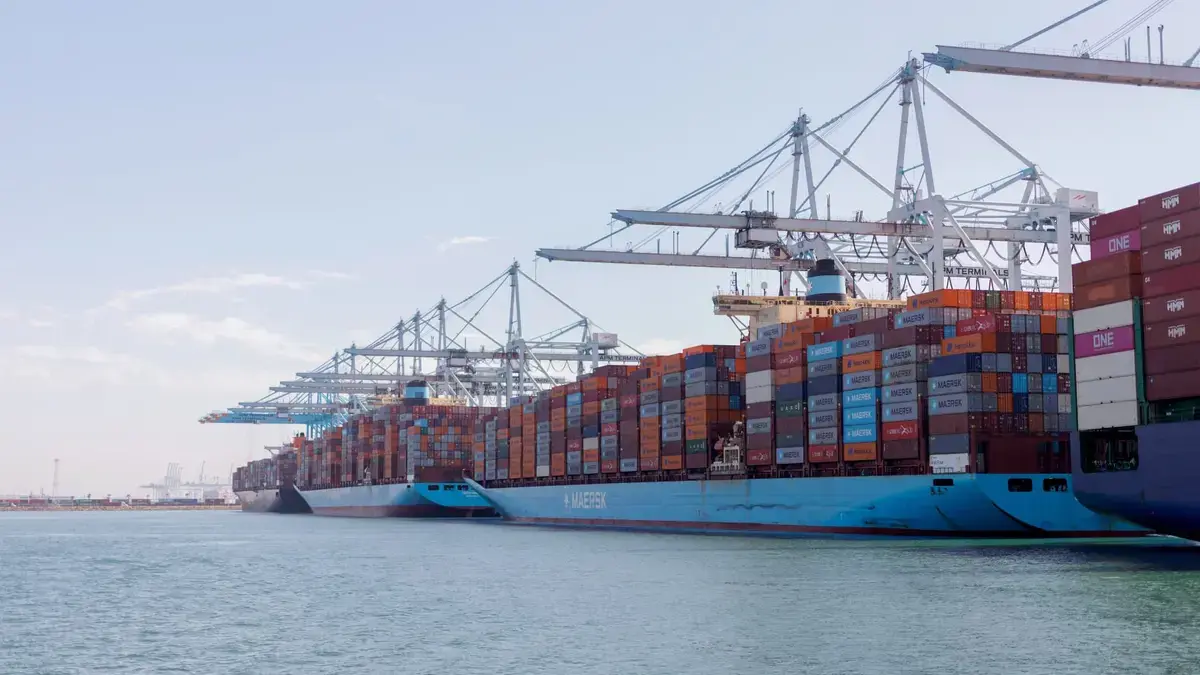
Rising Costs & Shifting Routes
Maersk’s CEO, Vincent Clerc, recently discussed the growing financial strain from the conflict in Iran. He stated the situation adds uncertainty to global shipping. This announcement came as Maersk reported its first-quarter earnings on Thursday. Higher oil prices are significantly impacting the company’s bottom line.
Latest news
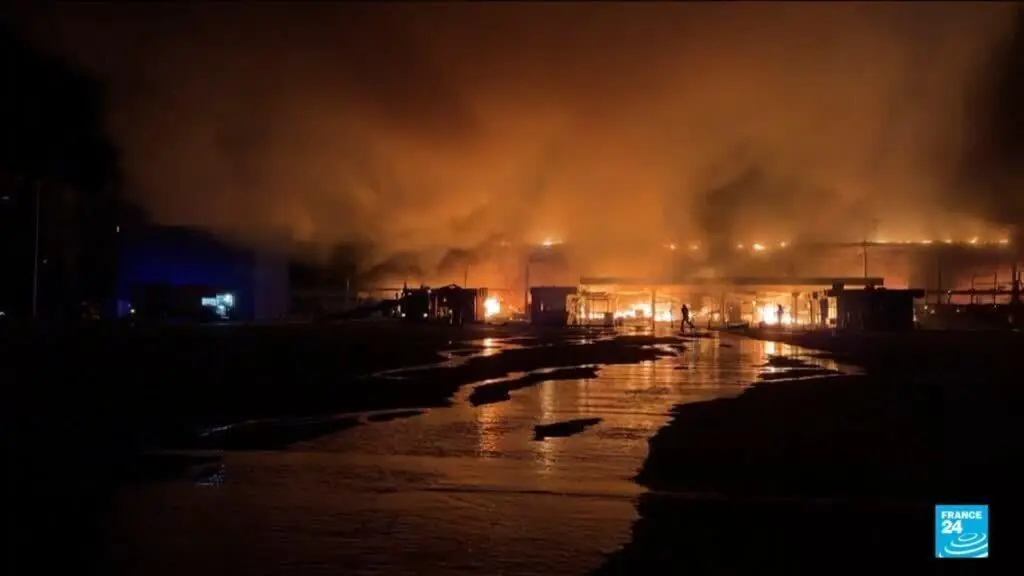 Ukraine Strikes Persist While Russian Polling Stations Open for Election
 Macron Calls French Party Leaders Together as Energy Costs Surge Amid Iran and Ukraine Conflicts
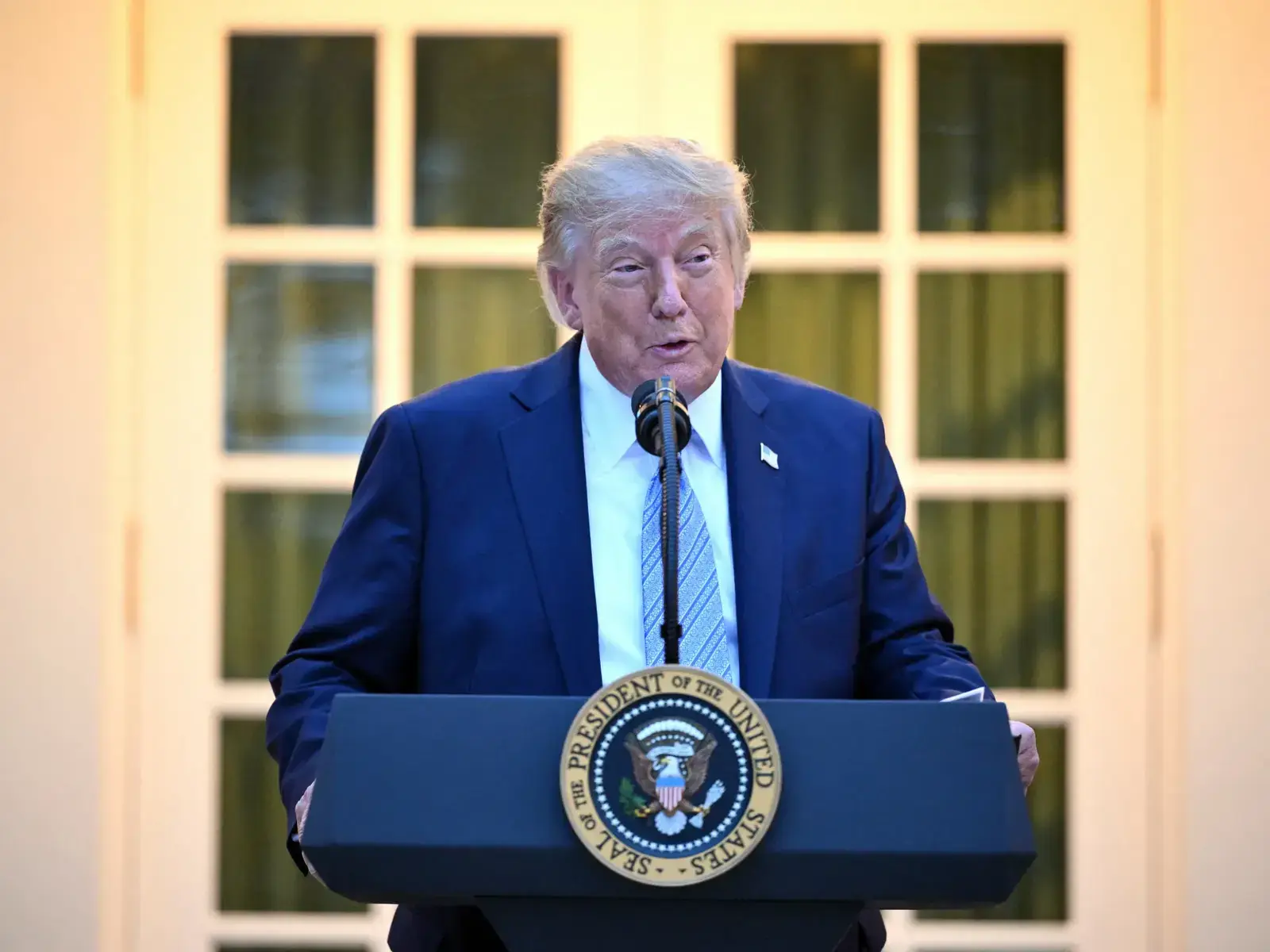 US Voters Oppose War on Iran, 71% Say Trump Administration Lacks Strategy
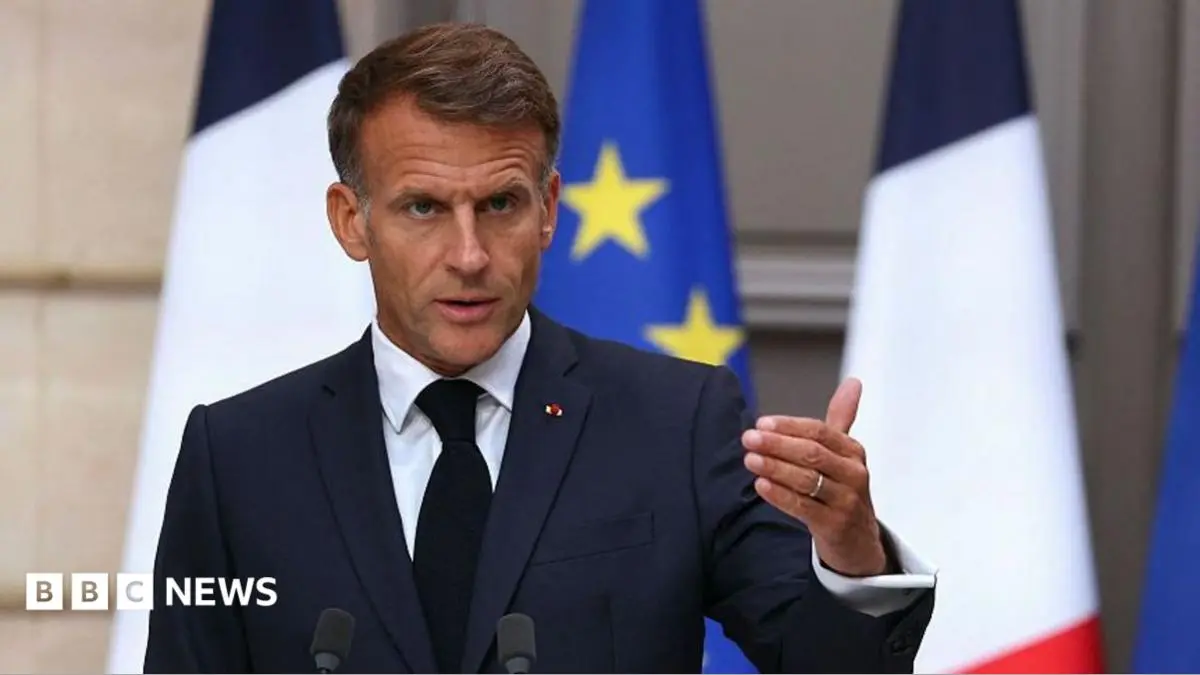 French President Warns of Rising Russian Hybrid Threats to Europe
The escalating tensions are already costing Maersk approximately $500 million each month. This is due to increased fuel expenses and rerouting ships to avoid the affected areas. The Red Sea disruptions, combined with the Iran situation, create a complex challenge for global supply chains. Maersk anticipates these costs will continue to rise in the coming months.
Clerc explained the company is absorbing some of the increased costs, but ultimately, customers will bear a portion of the burden. Price hikes are inevitable as Maersk navigates these turbulent waters. The CEO emphasized the need for adaptability in a rapidly changing geopolitical landscape. He noted the company is actively managing its network to minimize disruptions.
Will Supply Chains Face Further Disruption?
The conflict is forcing Maersk to make difficult decisions about routes and capacity. Avoiding high-risk zones adds considerable time and distance to voyages. This impacts delivery schedules and increases overall transportation expenses. Maersk is working closely with its customers to find the most efficient solutions. They are also exploring alternative shipping options where feasible.
The initial impact of the Iran conflict was relatively contained. However, Maersk believes the full extent of the disruption hasn’t yet been felt. Clerc predicts a more substantial impact on global trade in the months ahead. He suggests the situation could worsen if tensions escalate further. This could lead to even higher fuel prices and more significant rerouting of vessels.
Frequently Asked Questions
The long-term consequences of the conflict remain uncertain. Maersk is closely monitoring the situation and adjusting its strategies accordingly. The company is prepared to implement further measures to protect its operations and mitigate risks. However, the overall outlook for global shipping remains challenging. Increased costs and potential disruptions are likely to persist for the foreseeable future.
What specific routes are being affected by the conflict? Maersk is primarily rerouting ships away from the Red Sea and the Persian Gulf. This adds significant distance to voyages between Asia and Europe. The company is utilizing alternative routes around Africa, increasing transit times.
How is Maersk working with customers to manage these costs? Maersk is engaging in open communication with customers. They are discussing potential surcharges and exploring ways to optimize shipping schedules. The company aims to find collaborative solutions to minimize the impact of rising costs.