The Shifting Sands of Party Loyalty
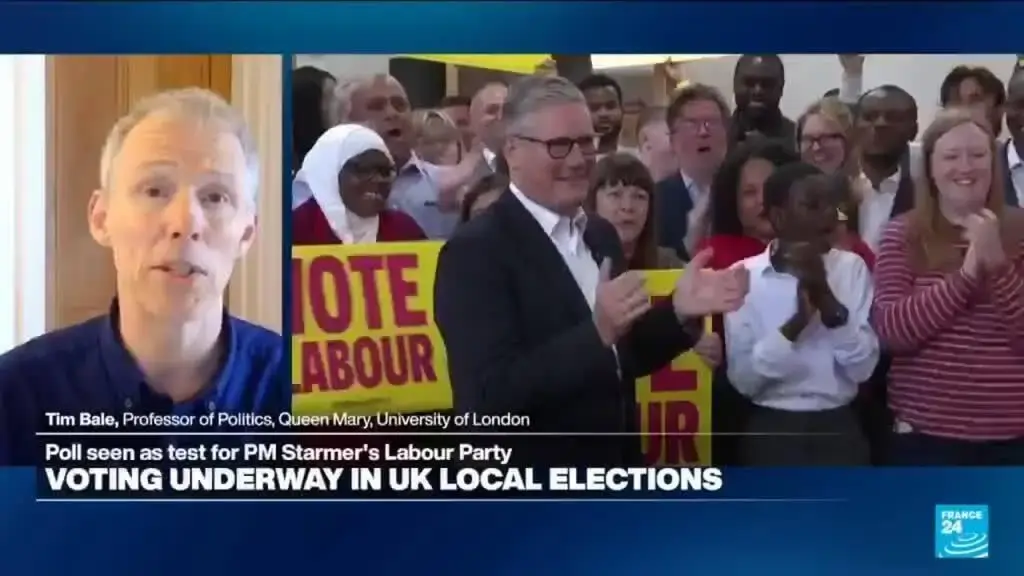
Keir Starmer, leader of the UK’s Labour Party, is experiencing increasing internal pressure. Many of his own MPs reportedly lack confidence in his ability to win the next general election. This comes as the party seeks to challenge the current Conservative government. The discussion unfolded during a recent political analysis broadcast.
Latest news
 Ukraine Strikes Persist While Russian Polling Stations Open for Election
 Macron Calls French Party Leaders Together as Energy Costs Surge Amid Iran and Ukraine Conflicts
 US Voters Oppose War on Iran, 71% Say Trump Administration Lacks Strategy
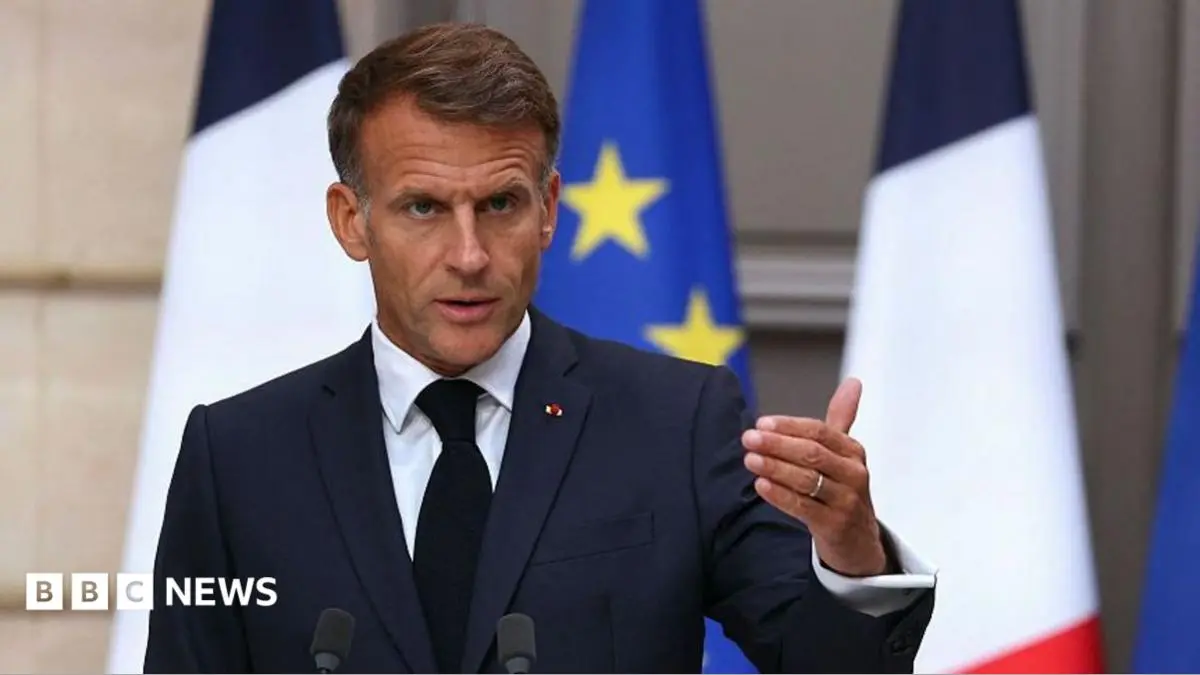 French President Warns of Rising Russian Hybrid Threats to Europe
The doubts center on Starmer’s perceived leadership style and strategic direction. Some MPs believe he hasn’t effectively presented a compelling alternative to the Conservatives. They question his capacity to connect with voters beyond traditional Labour strongholds. This internal dissent is becoming a significant hurdle for the party.
Professor Tim Bale, a political scientist at University College London, discussed the situation. He highlighted the unusual level of open questioning of a party leader so close to a general election. Bale explained that while leadership challenges are common, the extent of the concern is noteworthy. He noted a sense of unease among Labour MPs about Starmer’s vision for the future.
Can Starmer Regain Control of the Narrative?
The core of the issue isn’t necessarily disagreement with policy, but rather a lack of conviction in Starmer’s ability to sell that policy to the public. MPs fear he doesn’t possess the charisma or communication skills needed to effectively campaign. They worry he will struggle to overcome the Conservatives’ established narrative. This concern is amplified by recent polling data which doesn't show a decisive Labour lead.
The internal criticism isn’t a unified front, but a growing chorus of quiet anxieties. It’s not a formal rebellion, but a pervasive sense of doubt. Some MPs are openly questioning whether Starmer can deliver the electoral victory the party desperately needs. Others are privately expressing their concerns to colleagues and the media.
Bale emphasized the importance of a leader projecting confidence and decisiveness. He suggested that if these doubts continue to fester, they could undermine Starmer’s authority and damage the party’s chances in the upcoming election. The lack of a clear, compelling narrative is seen as a key weakness. Labour needs to present a vision that resonates with a broader electorate.
The situation presents a significant challenge for Starmer. He must address these concerns and demonstrate strong leadership. Failure to do so could lead to further internal division and a weakened electoral performance. The coming months will be crucial in determining whether he can regain the confidence of his party and convince the public he is the right person to lead the country.
Frequently Asked Questions
What is the main source of discontent among Labour MPs? The primary concern is a lack of confidence in Keir Starmer’s ability to lead the party to victory in the next general election. MPs question his leadership style and his ability to connect with voters.
Is there a formal challenge to Starmer’s leadership? Currently, there is no formal leadership challenge underway. However, a significant number of MPs are privately expressing their doubts and concerns about his leadership.
How might this internal pressure affect Labour’s electoral prospects? Continued internal division could undermine Starmer’s authority and damage the party’s chances of winning the next election. A lack of unity will make it harder to present a strong and cohesive message to voters.