Reviving Waterways to Cool the Concrete Jungle
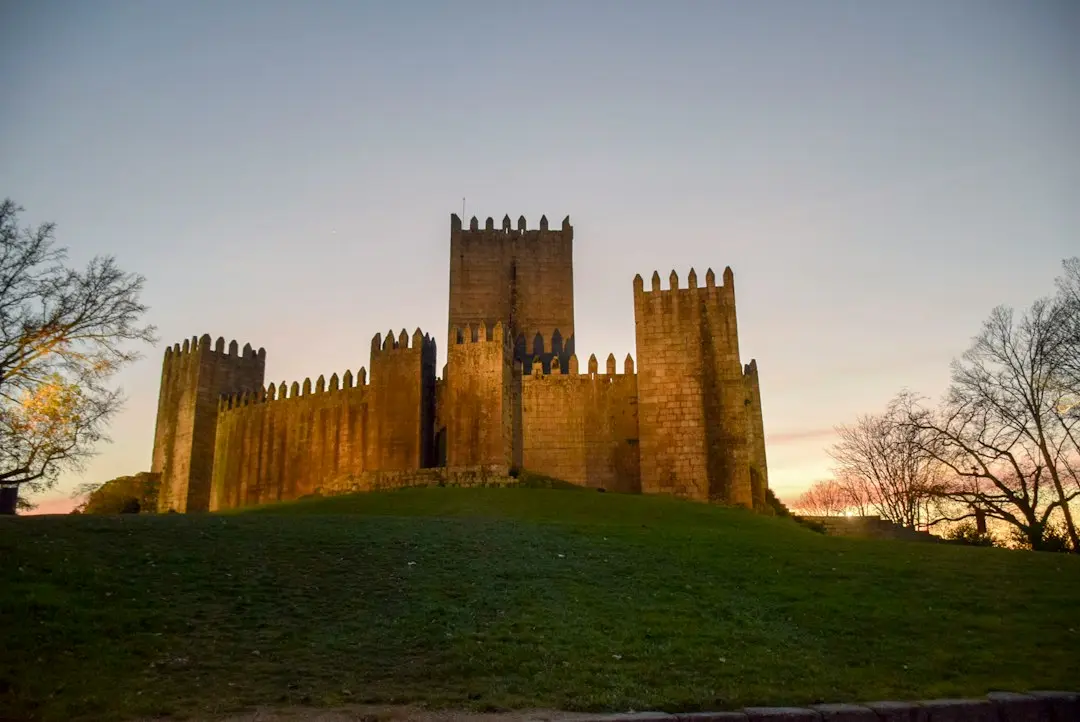
The historic city of Guimarães, currently serving as the European Green Capital, is launching an ambitious infrastructure overhaul to combat extreme heat. Local authorities are expanding parks and restoring river ecosystems to lower urban temperatures. These nature-based solutions aim to protect residents as climate change intensifies across the Iberian Peninsula.
Latest news
 Global Economic Illusion Threatens Western Stability
 Major Wall Street Banks Deliver Third-Quarter Financial Results
 The Reality Check for the Artificial Intelligence Market
 Germany Shifts Stance on Chinese Trade Amid Rising Industrial Pressure
The city is prioritizing the creation of green corridors that connect various neighborhoods to a massive 30-hectare central park. By integrating more vegetation into the urban fabric, officials hope to reduce the heat islandeffect. This phenomenon often makes city centers significantly hotter than the surrounding countryside during summer months.
A major component of the plan involves the restoration of local rivers and streams. For decades, many urban waterways were hidden or neglected. Now, the city is uncovering these water sources to provide natural cooling. Flowing water and riverside plants act as organic air conditioning for nearby streets and buildings.
Can Green Infrastructure Save Mediterranean Cities?
Planners are also focusing on permeable surfaces. By replacing asphalt with materials that allow water to soak into the ground, the city can manage heavy rainfall better while keeping the soil moist. This moisture eventually evaporates, further cooling the air during heatwaves. These changes are designed to make the city more resilient and livable for future generations.
Guimarães is positioning itself as a laboratory for climate adaptation. The city’s strategy moves away from traditional engineering toward ecological restoration. By planting thousands of native trees, the municipality provides shade that can lower surface temperatures by several degrees. This shift is essential for southern European cities facing increasingly frequent droughts and record-breaking heat.
Frequently Asked Questions
The project also emphasizes social equity. New parks are being placed in densely populated areas where residents may lack private gardens or air conditioning. This ensures that the most vulnerable citizens have access to cool zonesduring the peak of summer. The success of these initiatives could provide a blueprint for other historic European cities.
How does the new green corridor system work? The corridors are strips of vegetation that link different parts of the city to the main 30-hectare park. They provide shaded paths for pedestrians and allow cool air to circulate through urban areas.
Why is the city focusing on restoring rivers? Rivers provide natural cooling through evaporation and help regulate the local microclimate. Restoring these waterways also improves biodiversity and helps prevent flooding during sudden storms.