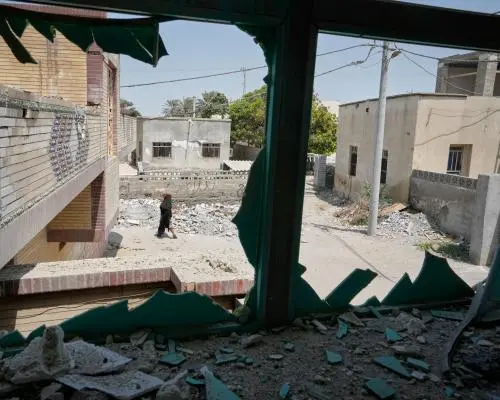
Financial and Strategic Strain
The U. S. House of Representatives voted 220-204 to approve a war powers resolution aimed at ending military hostilities with Iran. This legislative push follows a recent Congressional Budget Office report detailing the staggering financial and strategic toll of the ongoing conflict, which has already drained significant national resources and critical defensive inventories.
Latest news
 Saudi Arabia Declares Mecca Attack Attempt a Red Line as Houthis Deny Involvement
 Surrey Oil Drilling Project Sold After Supreme Court Rejection
 Union leaders urge bold action for Labour leader
 Wildfire Crisis Deepens as Federal Firefighter Shortage Plagues Summer Season
The resolution serves as a direct challenge to the current military strategy. Lawmakers expressed deep concern over a new report indicating the operation has already consumed $38 billion. Furthermore, the intensity of the conflict has severely depleted the nation’s stockpile of defensive missiles, creating a dangerous vulnerability that could take five years to fully address.
The Congressional Budget Office projections suggest that the fiscal burden will continue to accelerate. Analysts estimate that maintaining the current level of engagement will require an additional $3 billion every month. Beyond the monetary cost, military experts warn that the rapid exhaustion of missile supplies leaves the country ill-prepared for other potential security threats.
Can the Military Rebuild Its Defenses?
Legislators pushing for the resolution argue that the current path is unsustainable. They emphasize that the combination of ballooning monthly expenditures and the long-term timeline required to replenish missile defenses poses a significant risk to national security. Proponents of the vote believe that diplomatic solutions must now take precedence over continued armed confrontation.
The timeline for recovery remains a major point of contention in Washington. Officials estimate that replenishing the depleted missile arsenal will take at least half a decade. This extended recovery period complicates the government's ability to respond to other global crises, forcing a reevaluation of current military commitments in the region.
The resolution now moves forward as a clear signal of congressional intent to curb the executive branch's war-making authority. While the measure faces an uncertain future in the Senate, it highlights the growing bipartisan frustration regarding the lack of a clear exit strategy. The debate underscores the tension between ongoing military operations and the long-term economic and strategic health of the nation.
Frequently Asked Questions
What was the result of the recent vote? The House of Representatives passed the war powers resolution with a final vote count of 220 in favor and 204 against. This marks the third time the chamber has moved to limit military engagement with Iran.
Why is the replenishment of missiles a concern? The conflict has depleted defensive missile stockpiles to such a degree that officials estimate it will take five years to rebuild them. This creates a significant security gap during the interim period.
How much is the conflict costing taxpayers? The Congressional Budget Office reported that the conflict has already cost $38 billion. Current estimates suggest that continuing these operations will add approximately $3 billion in expenses every month.