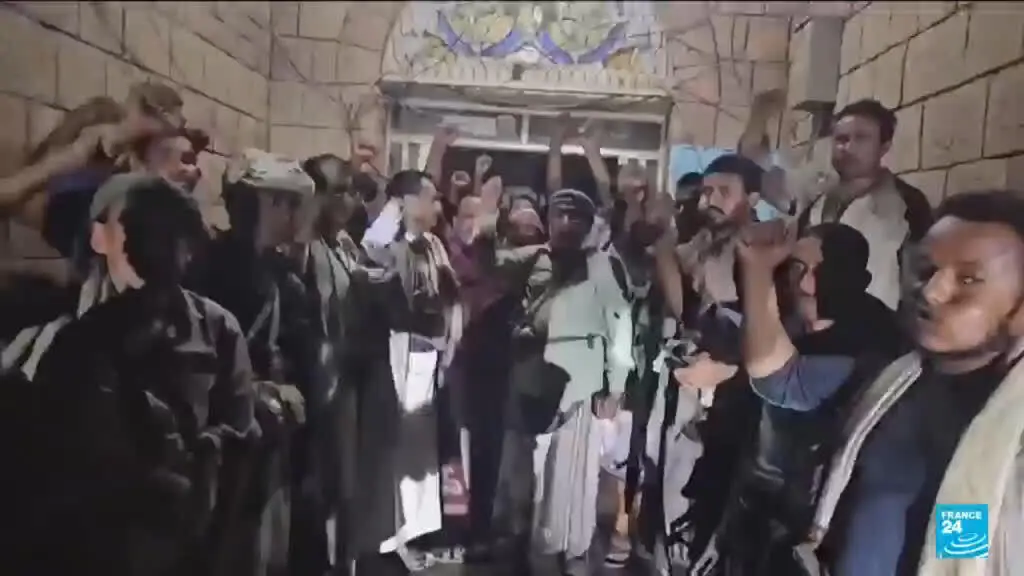
Strategic Shift in Maritime Control
Houthi militants aligned with Iran seized control of the vital Yemeni port city of Mocha on Thursday. This military advancement grants the group significant influence over one of the world’s most critical maritime corridors. The takeover marks a major escalation in the ongoing regional conflict, directly threatening the stability of international energy transport routes.
Latest news
 Swedish Voters Choose New Parliament as Left-Wing Coalition Projects to Win Majority
 Trump Announces End of US Tariff on Irish Whisky
 Frances Stonor Saunders, Author of CIA Cultural Espionage Exposé, Dies at 66
 Israel and Lebanon to Hold Security Talks in Rome This October
The port of Mocha serves as a gateway to the Bab el-Mandeb Strait, a narrow chokepoint through which much of the world’s oil and natural gas supplies pass daily. By securing this position, the Houthi forces have gained the ability to exert pressure on global shipping lanes. Military analysts suggest this move is a tactical attempt to leverage control over energy transit to gain geopolitical concessions.
The capture of Mocha follows a series of skirmishes between Houthi fighters and local forces. The rebels moved quickly to consolidate their position, deploying heavy weaponry and establishing checkpoints throughout the city. This occupation effectively cuts off a key supply line for the internationally recognized government, further complicating the humanitarian situation in Yemen.
Will Global Energy Supplies Face Immediate Disruption?
International observers are concerned that the presence of Houthi fighters in such close proximity to major shipping lanes could lead to increased maritime harassment. Previous incidents in the Red Sea have already caused insurance premiums for commercial vessels to soar. The control of this port provides the militants with a logistical base to potentially disrupt or inspect traffic moving toward the Suez Canal.
The immediate impact on global energy markets remains uncertain, but the risk profile for tankers has risen sharply. Energy companies are likely to reassess their security protocols for vessels navigating the Red Sea. If the situation remains unresolved, shipping firms may be forced to reroute cargo, leading to significant delays and increased operational costs for the global economy.
Frequently Asked Questions
Regional powers are closely monitoring the situation as the potential for a wider conflict looms. The Houthi takeover of Mocha is viewed by many as a direct challenge to the security architecture of the region. Diplomatic efforts to stabilize the area have yet to yield a breakthrough, leaving the future of the port in a state of volatile uncertainty.
Why is the port of Mocha considered so important? Mocha is located near the Bab el-Mandeb Strait, which is a critical artery for global oil and gas shipments. Controlling this port allows the Houthi group to influence maritime traffic moving between the Indian Ocean and the Mediterranean Sea.
What are the primary risks for the global economy? The main risks include increased shipping costs, potential delays in energy delivery, and higher insurance premiums for vessels. Any prolonged instability in this corridor could cause price volatility in international energy markets.