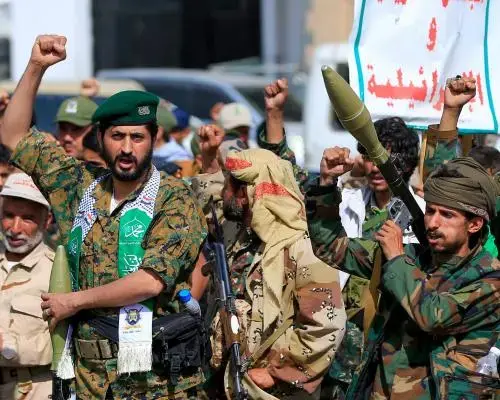
Mocha’s Strategic Value and Regional Stakes
The Houthi movement announced on Saturday that it has taken the port of Mocha on Yemen’s Red Sea coast. The capture occurred after intense fighting near the city, a key gateway for maritime traffic. The rebels say they now control the port and surrounding coastal areas, marking the most serious clash with the Saudi‑backed government in years.
Latest news
 Swedish Voters Choose New Parliament as Left-Wing Coalition Projects to Win Majority
 Trump Announces End of US Tariff on Irish Whisky
 Frances Stonor Saunders, Author of CIA Cultural Espionage Exposé, Dies at 66
 Israel and Lebanon to Hold Security Talks in Rome This October
The takeover is part of a broader Houthi push to dominate Yemen’s Red Sea shoreline. By holding Mocha, the insurgents can disrupt shipping lanes that pass through the Bab al‑Mandab strait, a chokepoint for global trade. Analysts link the offensive to Tehran’s support, noting that Iran supplies the Houthis with weapons and training. The rebels claim the move aims to pressure Saudi Arabia and its allies, while the Saudi coalition warns of escalating attacks on commercial vessels.
Mocha sits at the mouth of the Red Sea, offering direct access to the Gulf of Aden and the Indian Ocean. Control of the port allows the Houthis to monitor and potentially block cargo ships, oil tankers, and humanitarian aid vessels. The United Nations has already warned that any disruption could exacerbate Yemen’s humanitarian crisis, which affects millions.
Could This Spark a Wider Red Sea Conflict?
U. S. officials have expressed concern that the seizure brings Iran’s influence closer to a „full‑scale foothold” on the Red Sea. The Pentagon has increased naval patrols in the area, aiming to deter attacks on merchant shipping. Meanwhile, Saudi Arabia has vowed to launch a counter‑offensive to retake Mocha, emphasizing that the port’s loss undermines its security and economic interests.
The rapid advance raises the specter of a larger confrontation. If the Houthis consolidate their hold, they could threaten the flow of oil from the Gulf states to Europe and Asia. Shipping companies have already rerouted vessels around the Cape of Good Hope, adding weeks to transit times and inflating costs.
Regional powers fear that the conflict could spill over into neighboring countries, drawing in more foreign militaries. Iran’s backing of the Houthis may prompt a stronger response from the United States and its allies, potentially escalating into direct clashes at sea. Diplomatic efforts to broker a ceasefire have stalled, and the United Nations has called for an urgent meeting of the Security Council.
The capture of Mocha marks a turning point in Yemen’s protracted war. It gives the Houthis a powerful bargaining chip and threatens to choke a vital artery of global commerce. The coming weeks will test whether Saudi Arabia can reclaim the port or if the Red Sea will become a new front in the proxy struggle between Tehran and Washington.
Frequently Asked Questions
What is the importance of Mocha port? Mocha sits at the entrance to the Red Sea, controlling a key maritime route for oil, trade, and humanitarian shipments. Its capture lets the Houthis influence traffic through the Bab al‑Mandab strait.
How are the United States and Saudi Arabia responding? Both have increased naval presence in the Red Sea and warned of heightened security measures. Saudi Arabia has pledged a military operation to retake the port, while the U. S. is monitoring the situation closely.
What could happen to global shipping if the Houthis keep Mocha? Continued Houthi control could force ships to detour around Africa, raising costs and delaying deliveries. Persistent threats may also lead insurers to raise freight rates, impacting global supply chains.