Climate Change and Nuclear Energy's Paradox
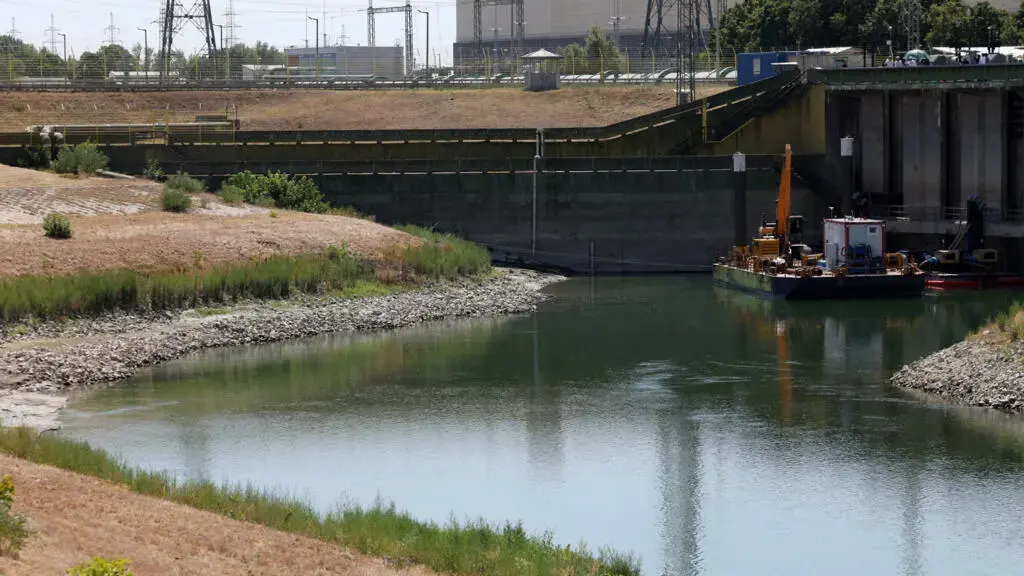
Hungary's Paks Nuclear Power Plant has temporarily ceased operations. This shutdown comes as the nation grapples with severe drought conditions and record-breaking heat. The plant, a crucial part of Hungary's energy infrastructure, requires sufficient cooling water to function safely.
Latest news
 Anthropic Announces $31 Billion Data Centre Deal in Western Queensland
 Veteran Journalist Hugh Riminton Announces Retirement After Nearly Five Decades
 How the 1980s Permanently Shaped America
 Victorian Police Gain Random Stop-and-Search Powers Under New Jacks Law
The extreme weather has significantly impacted the Danube River, the plant's primary water source. Low water levels and elevated temperatures in the river made continued operation unfeasible. This situation highlights the unexpected vulnerabilities of nuclear power in a changing climate.
Nuclear energy is often promoted as a clean alternative to fossil fuels. It produces no greenhouse gas emissions during operation. However, the Paks plant's closure reveals a critical dependency. Nuclear facilities need vast amounts of water for cooling their reactors.
How Does Extreme Weather Affect Power Plants?
As global temperatures rise, droughts become more frequent and intense. This directly threatens the operational stability of water-dependent power plants. The incident in Hungary serves as a stark reminder of these interconnected challenges. It forces a re-evaluation of nuclear power's resilience in a warming world.
Power plants, including nuclear ones, generate immense heat. This heat must be dissipated to prevent overheating and potential meltdowns. Water is typically pumped from a nearby source, circulated through the plant's cooling systems, and then returned.
When river levels drop, there isn't enough water to draw from. If the water itself is too warm, it cannot effectively cool the reactors. Both scenarios lead to reduced efficiency or, as seen in Hungary, a complete shutdown. This poses significant challenges for energy security.
The shutdown will likely put a strain on Hungary's energy supply. The country will need to find alternative power sources during this period. This could involve increased reliance on imported energy or other domestic options. The long-term implications for energy policy are being assessed.
Frequently Asked Questions
What caused the Hungarian nuclear plant to shut down? The plant closed due to low water levels and high temperatures in the Danube River. These conditions prevented effective cooling of the reactors.
Is this a common problem for nuclear power plants? While not an everyday occurrence, similar issues have been reported in other regions experiencing heatwaves and droughts. Nuclear plants rely heavily on water for cooling.
What are the broader implications of this shutdown? The incident highlights the vulnerability of nuclear power to climate change impacts like drought. It raises questions about energy security and the resilience of power infrastructure in extreme weather.