A Divisive Stance on International Justice
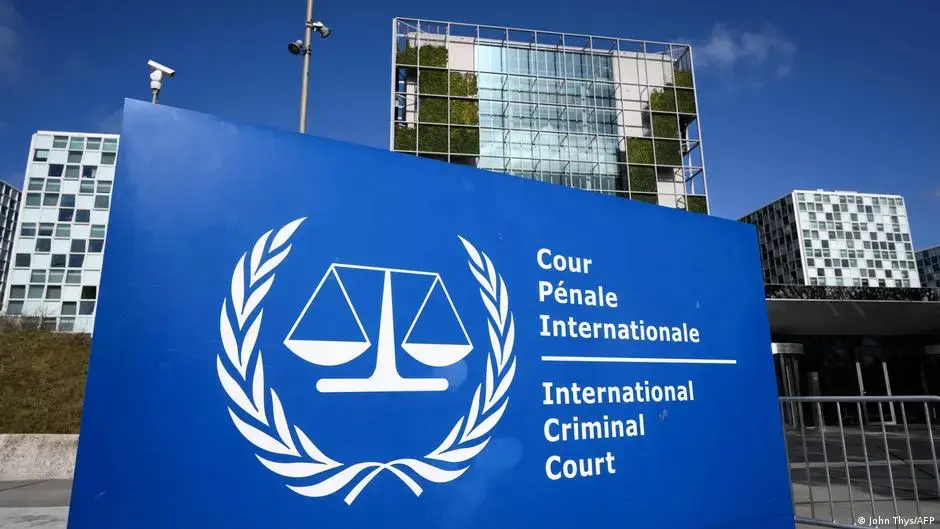
The International Criminal Court (ICC) has strongly criticized new sanctions imposed by the Trump administration on its officials. This action, announced on August 19, 2026, is viewed as a severe infringement on judicial independence. The ICC's response highlights the growing tensions between the United States and international legal institutions.
Latest news
 Swedish Voters Choose New Parliament as Left-Wing Coalition Projects to Win Majority
 Trump Announces End of US Tariff on Irish Whisky
 Frances Stonor Saunders, Author of CIA Cultural Espionage Exposé, Dies at 66
 Israel and Lebanon to Hold Security Talks in Rome This October
The sanctions target individuals associated with the ICC, which the Trump administration claims has become overly politicized. This move has drawn condemnation not just from the ICC but also from several countries, including members of the European Union, France, Germany, Spain, and Japan. These nations argue that the sanctions undermine global efforts to hold perpetrators of war crimes accountable.
The ICC, based in The Hague, was established to prosecute individuals for serious international crimes, including genocide and crimes against humanity. Critics of the court, particularly from the U. S., assert that it often overreaches its mandate. The Trump administration's stance reflects a broader skepticism towards international organizations, which it claims can hinder national sovereignty.
Will Sanctions Affect ICC Operations?
In response to the sanctions, ICC President Piotr Hofmański stated that such measures are a flagrant attackon the rule of law. He emphasized that the court operates independently and is committed to justice without political interference. This sentiment was echoed by various human rights organizations, which view the sanctions as an attempt to intimidate the court and its officials.
The sanctions could have significant implications for the ICC's operations and its ability to function effectively. Legal experts warn that such actions may deter cooperation from other nations that might be hesitant to engage with the court for fear of repercussions. This could ultimately lead to fewer prosecutions for serious crimes, undermining the very purpose of the ICC.
The impact of these sanctions on the ICC's future remains uncertain. While the court has faced challenges before, the current geopolitical climate is particularly fraught. The potential for further deterioration in U. S.-international relations could hinder global justice efforts.
Frequently Asked Questions
What are the sanctions targeting? The sanctions imposed by the U. S. focus on individuals linked to the ICC, aiming to restrict their travel and access to financial resources.
How has the international community reacted? Countries like France, Germany, and Japan have condemned the sanctions, asserting that they threaten the integrity and independence of the ICC.
What does this mean for future ICC cases? The sanctions may discourage cooperation from other nations, potentially limiting the ICC's ability to prosecute war crimes and other serious offenses effectively.