Japan's Legal Obligations vs. Diplomatic Relations
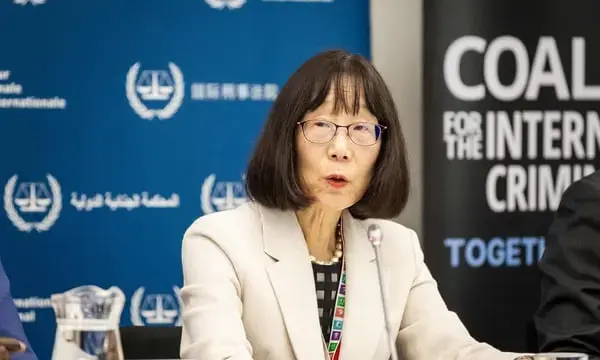
Japan is navigating a complex situation after the United States imposed sanctions on the president of the International Criminal Court (ICC). This individual, who is a Japanese national, has become a focal point of tension between Japan and its key ally, the U. S. The sanctions raise questions about Japan's commitment to international law and its diplomatic relationships.
Latest news
 Swedish Voters Choose New Parliament as Left-Wing Coalition Projects to Win Majority
 Trump Announces End of US Tariff on Irish Whisky
 Frances Stonor Saunders, Author of CIA Cultural Espionage Exposé, Dies at 66
 Israel and Lebanon to Hold Security Talks in Rome This October
The ICC president, elected in 2021, has been involved in various international legal matters, including war crimes and human rights violations. The U. S. government has expressed concerns over the ICC's actions, particularly regarding investigations into American military personnel. This has led to the unprecedented move of sanctioning a Japanese official, highlighting a significant diplomatic challenge for Japan.
Japan has long prided itself on upholding the rule of law and international cooperation. However, the sanctions against the ICC president complicate this narrative. The Japanese government must balance its support for the ICC with its strategic alliance with the U. S. Some experts argue that Japan may need to reassess its position on international legal frameworks to maintain its relationship with Washington.
What Does This Mean for Japan's International Standing?
In response to the sanctions, Japan's Ministry of Foreign Affairs has stated that it continues to support the ICC's mission. However, this support could be tested if the U. S. takes further action against Japanese officials involved in the court. The situation underscores the delicate nature of Japan's foreign policy, particularly as it seeks to navigate its role on the global stage while adhering to its legal commitments.
The implications of these sanctions extend beyond the immediate diplomatic fallout. Japan's standing in the international community may be affected, as other nations observe how it responds to U. S. pressure. Analysts suggest that Japan could face increased scrutiny regarding its commitment to international law and human rights.
As Japan grapples with this situation, it must consider the long-term consequences of its decisions. Will it prioritize its alliance with the U. S. over its support for international legal institutions? The coming months will be crucial in determining Japan's path forward.
The outlook remains uncertain. Japan may need to engage in diplomatic negotiations to address the sanctions and reaffirm its dedication to the ICC. How Japan responds will likely influence its relationships with other nations and its role in global governance.
Frequently Asked Questions
Why did the U. S. sanction the ICC president? The U. S. imposed sanctions due to concerns over the ICC's investigations into American military personnel, which they view as a threat to national security.
What are the potential consequences for Japan? Japan may face diplomatic challenges with both the U. S. and the ICC, affecting its international reputation and relationships with other countries.
How might Japan respond to these sanctions? Japan could engage in diplomatic discussions with the U. S. to address the sanctions while reaffirming its commitment to the ICC and international law.