Donroe Doctrine’s Beginning Ends
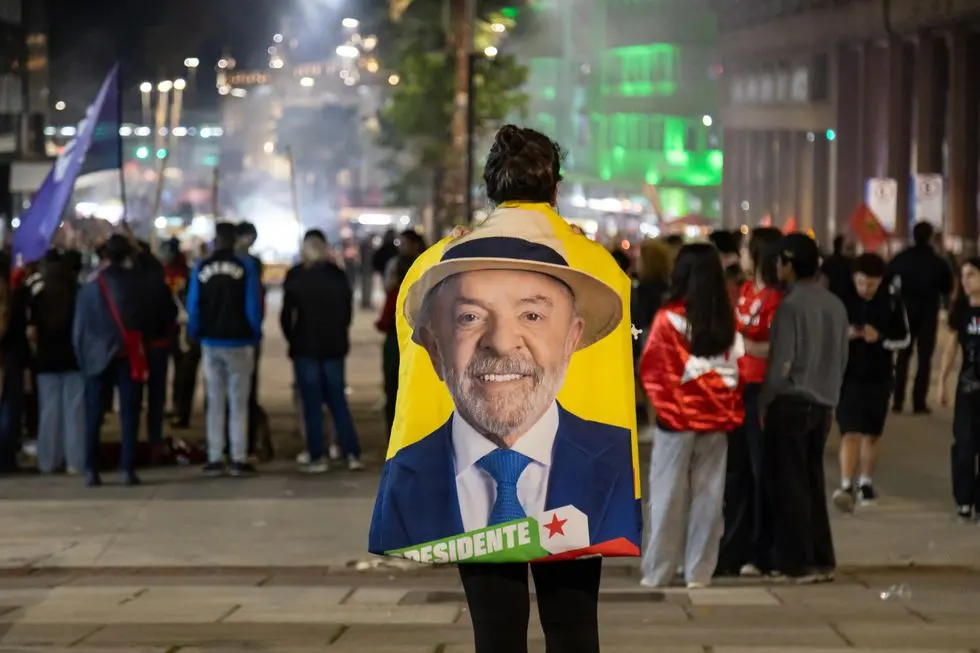
Lula’s victory, achieved despite persistent U. S. efforts to steer results toward Flavio Bolsonaro, marks the conclusion of the Donroe Doctrine’s initial stage. Trump’s intervention allowed Lula to frame his campaign as a defense of Brazilian sovereignty. Now, Lula can confidently claim he has shattered the myth of Donroe’s invincibility.
Latest news
 Bayer Wins Missouri Trial Over Roundup Cancer Claims
 Rural communities may be left out of public support programs because screening tools measure disadvantage in ways that overlook their specific needs
 Is 2026 the year democracy finally fought back?
 US Midterm Elections: Europe Watches as America Heads to the Polls
The most telling sign of U. S. influence waning was the unanimous public congratulations from right‑wing governments across Latin America, except Argentina and El Salvador. Paraguay’s president, Santiago Peña, posted a congratulatory message at 21:31 Brasília time. Under Peña, Paraguay largely followed U. S. policy, even designating Iran’s Revolutionary Guard as a terrorist organization at Washington’s request. Bolivia’s president, Rodrigo Paz, replied at 21:38, after a brief crisis marked by widespread protests and significant U. S. support. Chile’s president, José Antonio Kast, announced a call with Lula at 22:18, despite strained ties over a proposed undersea cable linking Valparaíso to Hong Kong. The U. S. ambassador in Chile, former Frontier Patrol officer Brandon Judd, further strained relations by threatening Chile’s sovereignty over the Strait of Magellan if it did not align more closely with Washington.
Regional Leaders Celebrate Lula
Ecuador’s president, Daniel Noboa, congratulated Lula at 22:50. Noboa, who sought Trump’s backing in the 2025 campaign, invited U. S. troops to Ecuador to fight crime, a move that sparked controversy, including an attack on a dairy farm. Peru’s newly elected president, Keiko Fujimori, posted her own congratulations just before 23:00, after symbolically supporting the U. S. war on Iran. The next day, Costa Rica’s right‑wing president, Laura Fernández Delgado, posted a congratulatory tweet at 10:21, followed by Honduras’s president, Nasry Asfura, at 14:00, a candidate Trump actively supported in November’s tight race. Colombia’s right‑wing president, Abelardo De La Espriella, openly acknowledged his support for Lula’s opponent, writing on X: Brazil and Colombia need each other.
South American Nations Join the „Shield of the Americas”
No consideration can outweigh our national interests. These leaders—Paraguay, Bolivia, Chile, Ecuador, Peru, Costa Rica, Honduras, Colombia—joined the new Shield of the Americas, a Trump initiative to institutionalize the Donroe Doctrine as a regional security architecture, yet all recognized Lula’s win.
Trump’s Response and the Limits of Donroe
All Latin American recognitions arrived before any official Trump administration reaction. Nearly a day later, Trump described the elections as „terrible” and „another manipulated vote,” falsely claiming he had not „taken part.” Washington remains dissatisfied with Lula’s victory. With Flavio Bolsonaro fleeing to the U. S., the American government could intensify intervention in Brazil and attempt to undermine Lula by using Bolsonaro as a symbolic figure. However, the regional right‑wing governments’ reactions suggest such overt U. S. interference would lack broad support. This exposes the limits of the Donroe Doctrine. Right‑wing elites across Latin America, including Brazil, welcome U. S. electoral intervention to bring them to power. They value U. S. financial and military aid and appreciate America’s tolerance of authoritarianism, corruption, and human rights abuses. In return, they symbolically align with U. S. projects, such as diplomatic support for the U.
S. blockade of Cuba at the UN.
They are eager to use American power against their own internal adversaries, blurring the line between ally and foe. Yet, their economic ties with Brazil remain fragile.