Why Are Voters Turning Away From the Main Contenders?
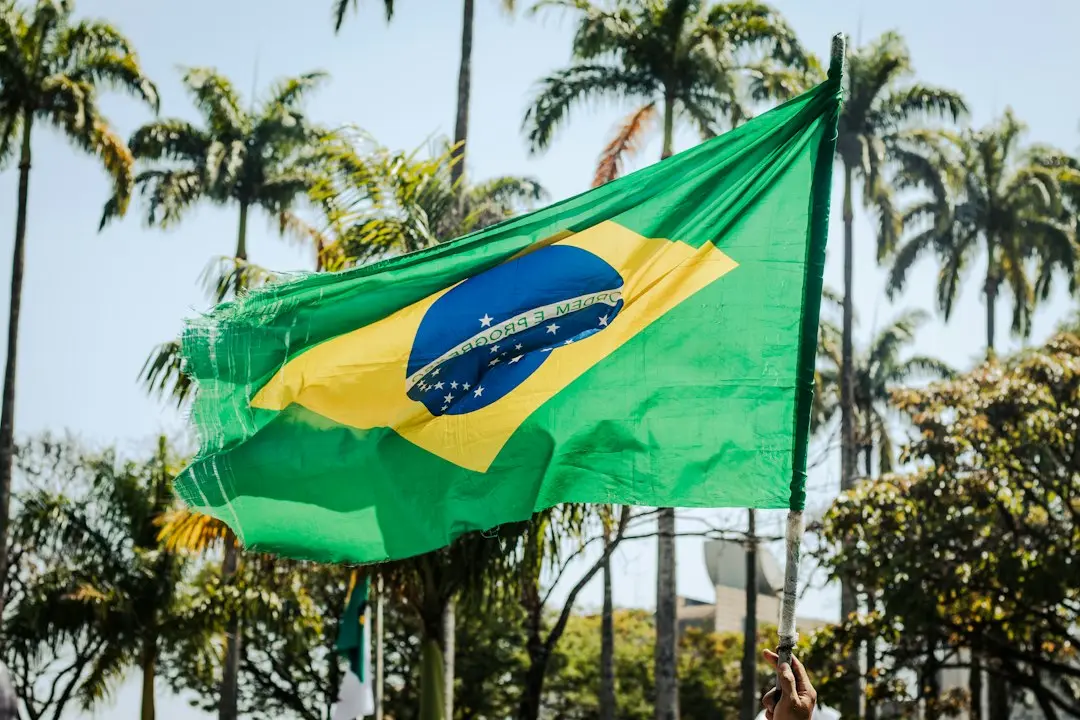
Brazil's presidential election enters its final campaign day with growing voter dissatisfaction toward both leading candidates, Luiz Inácio Lula da Silva and Flávio Bolsonaro, as many citizens express reluctance to support either option. Polls indicate a significant portion of the electorate feels alienated by the political polarization dominating the race, prompting calls for new alternatives amid economic uncertainty and social divisions.
Latest news
 UAE Shared Flight Details with Israel After FlyDubai Incident
 Taiwan Says US Policy Remains Unchanged After Trump-Xi Meeting
 Plague Threat Looms in Siberia After Lab Worker’s Death
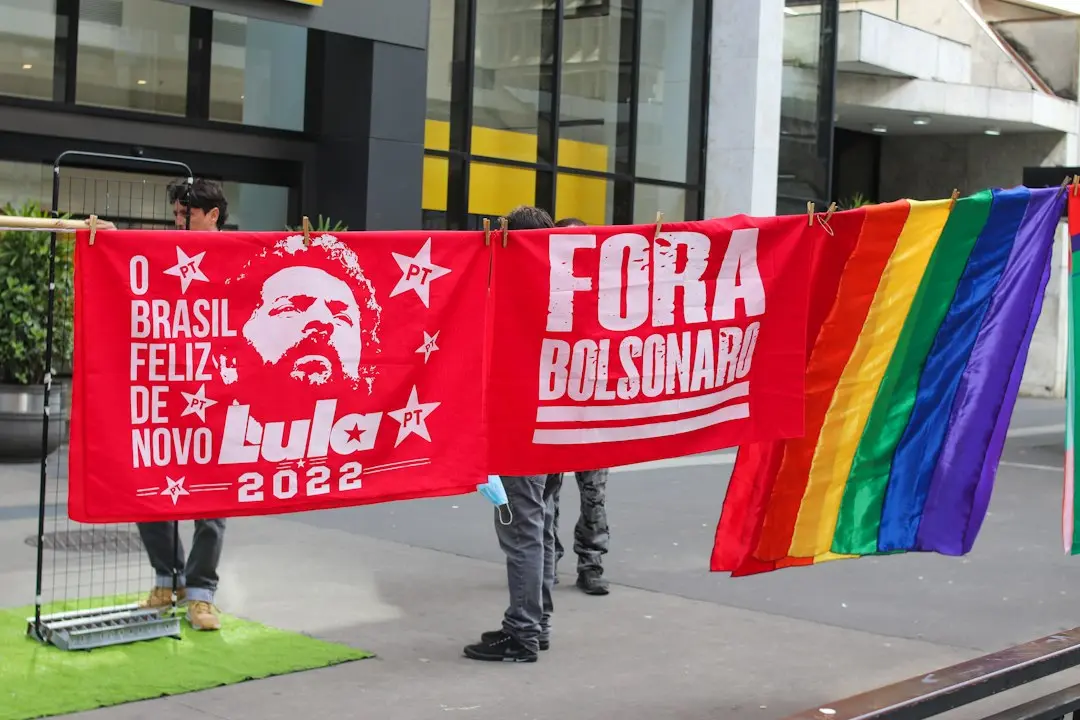 Lula and Bolsonaro Cast Votes Amid Brazil’s Polarised Election
Voters across São Paulo, Rio de Janeiro, and northeastern states report fatigue with the recurring Lula-Bolsonaro duel that has defined Brazilian politics since 2018. Many cite corruption allegations, economic mismanagement, and inflammatory rhetoric as reasons for their disillusionment. A recent survey by Datafolha showed 28% of respondents would consider nullifying their vote or abstaining, reflecting deep skepticism about the candidates' ability to address pressing issues like inflation, unemployment, and public safety.
Frequently Asked Questions
Disillusionment stems not only from policy disagreements but also from perceptions of personal conduct. Lula faces scrutiny over past corruption convictions, later annulled, while Bolsonaro's son Flávio draws criticism for aligning with far-right rhetoric and opposing social programs. Young voters, in particular, describe feeling trapped between two figures they view as representing outdated ideologies. „I want change, not a rematch,”said Ana Santos, a 24-year-old teacher from Belo Horizonte. „Neither offers a vision for Brazil's future that includes people like me.” What Could This Mean for Election Day? The rise in blank or null votes could challenge the legitimacy of the eventual winner, especially if turnout drops among key demographics. Analysts warn that low engagement might strengthen extremist factions or delay post-election consensus-building. Regardless of the outcome, the next administration will inherit a deeply fragmented electorate demanding accountability and inclusive governance beyond the current binary choice.
Why are some Brazilian voters rejecting both Lula and Bolsonaro? Many voters feel the candidates represent recycled politics marked by corruption scandals, economic struggles, and divisive rhetoric, leading them to seek alternatives or consider invalidating their ballots.
Could abstention or null votes affect the election result? Yes, if a substantial number of voters choose not to support either candidate, it could weaken the mandate of the winner and signal widespread distrust in the political system, potentially influencing governance and stability after the vote.