Why the Arms Package Faces Delay
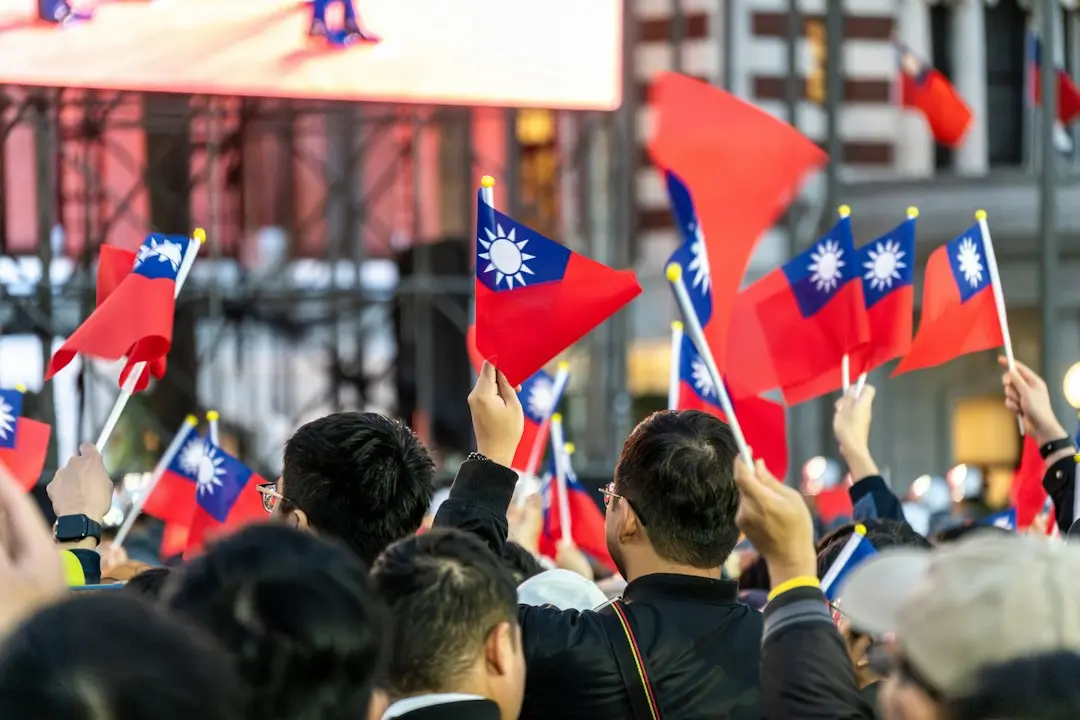
Taiwan’s representative to the United States, Alexander Yui, stated in a Bloomberg interview this weekend that Washington has assured Taipei its Taiwan policy remains unchanged following President Donald Trump’s recent meeting with Chinese President Xi Jinping. The reassurance comes despite ongoing delays in approving a proposed $14 billion arms package for Taiwan. Yui emphasized that the U. S. commitment to Taiwan’s security has not wavered, even amid high-level diplomacy between Washington and Beijing.
Latest news
 No Military Fix for US‑Iran Tension, Says Tehran’s Foreign Minister
 Stock Futures Hold Steady as Investors Await Fed Minutes and Higher Yields
 Scientists Identify Brain Region That May Drive High Blood Pressure and Offer New Treatment Pathway
 Macron's Busy Schedule Threatens His Attendance at COP31 and Undermines Paris Agreement Support
The meeting between Trump and Xi, held earlier in October 2026, sparked concerns in Taipei about potential shifts in U. S. strategy toward China and Taiwan. However, Yui said senior U. S. officials have privately confirmed to Taiwan that the longstanding policy framework, including commitments under the Taiwan Relations Act, remains intact. He noted that while the arms sale package faces procedural hurdles in Congress, the strategic reassurance from the executive branch provides stability. The delayed arms deal includes advanced missile systems and naval equipment intended to bolster Taiwan’s self-defense capabilities.
What Happens If U. S. Policy Shifts?
Yui explained that the $14 billion arms package, initially proposed in mid-2026, has encountered delays due to internal U. S. budget debates and congressional scrutiny over foreign aid allocations. Some lawmakers have questioned the timing of the sale amid sensitive U. S.-China negotiations, though Yui stressed that no official policy shift has been communicated. He added that Taiwan continues to work closely with U. S. defense officials to address concerns and move the package forward. The delay does not reflect a change in Washington’s commitment, he said, but rather bureaucratic and political processes within the U. S. system.
Asked whether Taiwan would reconsider its defense strategy if U. S. policy changed, Yui said Taipei maintains a layered approach that includes indigenous defense development and diversified international partnerships. However, he underscored that the U. S. relationship remains the cornerstone of Taiwan’s security posture. Any alteration in Washington’s stance would require careful recalibration, but for now, Taiwan operates under the assumption of continuity. Yui expressed confidence that dialogue between the two sides remains strong and transparent.
Has the U. S. officially changed its Taiwan policy after the Trump-Xi meeting? No, according to Alexander Yui, Washington has explicitly reassured Taiwan that its policy remains unchanged despite the high-level meeting between the two presidents.
Frequently Asked Questions
Why is the $14 billion arms package to Taiwan delayed? The delay stems from U. S. congressional budget discussions and procedural reviews, not from a shift in executive branch policy toward Taiwan, Yui clarified.
Does Taiwan rely solely on the U. S. for its defense needs? No, while the U. S. is Taiwan’s primary security partner, Taipei is also advancing indigenous defense capabilities and maintaining cooperation with other like-minded nations.