How Sao Paulo's Vote Could Tilt the National Balance
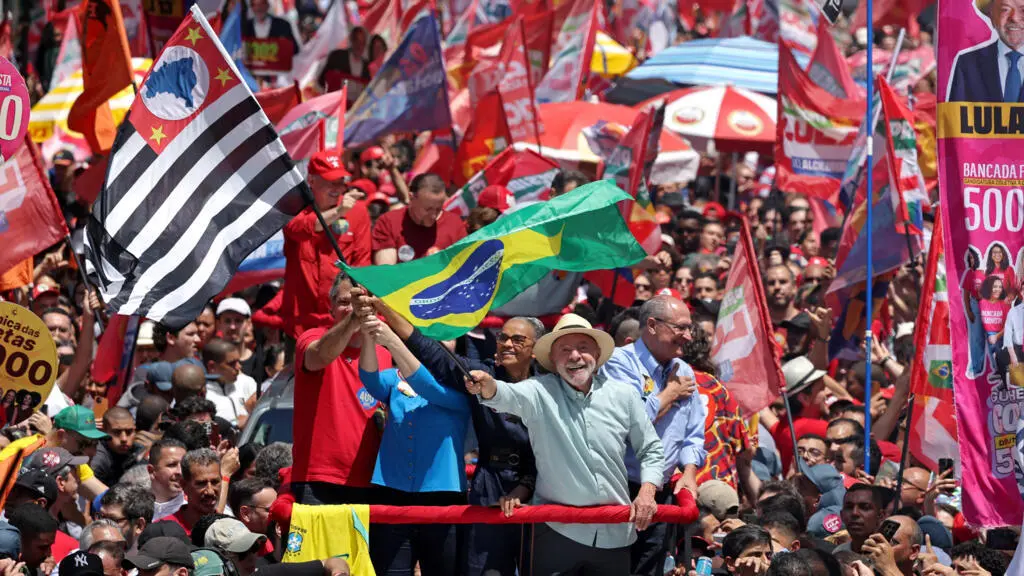
Brazil's President Luiz Inacio Lula da Silva and his main challenger Flavio Bolsonaro concluded their campaign efforts on Saturday in Sao Paulo, the country's most populous state and a critical battleground holding approximately one-fifth of the national electorate. The rival candidates held rallies in the state to energize their bases and sway undecided voters ahead of the tightly contested presidential runoff. With polls showing a near-tie, both sides intensified their outreach in the final hours before voting day.
Latest news
 UAE Shared Flight Details with Israel After FlyDubai Incident
 Taiwan Says US Policy Remains Unchanged After Trump-Xi Meeting
 Plague Threat Looms in Siberia After Lab Worker’s Death
 Lula and Bolsonaro Cast Votes Amid Brazil’s Polarised Election
The campaign climax in Sao Paulo underscored the state's decisive role in determining Brazil's next president, as its vast electorate often mirrors national trends. Lula emphasized his record on social programs and economic stability, appealing to working-class voters and labor unions. Bolsonaro, son of former president Jair Bolsonaro, focused on law and order, conservative values, and promises to reduce government spending, targeting evangelical and business communities. Both candidates avoided direct confrontation in their speeches, instead highlighting contrasts in vision for the country's future.
What Undecided Voters Are Saying in the Final Hours
Sao Paulo's electoral weight means its outcome could effectively decide the presidency, given its contribution of roughly 22 million voters to the national total. Historical data shows the state has aligned with the eventual winner in six of the last seven presidential elections. Campaign teams deployed thousands of volunteers for last-minute canvassing, phone banking, and transportation to polling stations. Local issues such as urban violence, public transit, and job creation featured prominently in both candidates' messages, reflecting voter concerns beyond national narratives.
In interviews at Sao Paulo rallies, undecided voters expressed frustration with economic stagnation and corruption perceptions, while citing distrust in both major candidates. A small business owner told reporters she remained unconvinced by Lula's promises of renewed growth, fearing a return to past inflation spikes. A university student said he leaned toward Bolsonaro for his stance on campus security but worried about potential social policy rollbacks. Pollsters noted a late shift among undecideds toward Bolsonaro in recent days, though Lula maintained a narrow lead in most aggregates.
Why is Sao Paulo so important in Brazilian presidential elections? Sao Paulo contributes about one-fifth of Brazil's total votes and has historically reflected the national outcome, making it a key indicator and potential decider in close races.
Frequently Asked Questions
What are the main issues influencing voters in Sao Paulo? Voters in the state prioritize employment, public safety, inflation, and access to services, with urban violence and economic opportunity ranking as top concerns in recent surveys.
How close is the race between Lula and Bolsonaro according to latest polls? Final pre-election polls show a statistical tie, with Lula holding a slim advantage of one to two percentage points within the margin of error, indicating a highly uncertain outcome.