The Day of the Vote: A Nation on Edge
In a symbolic gesture, President Luiz Inácio Lula da Silva and Senator Flavio Bolsonaro went to the polls on Thursday, 16 October, as Brazil’s highly contested presidential race reaches its final voting day. Both leaders, representing the left‑wing Workers’ Party and the right‑wing Social Liberal Party respectively, participated in the same polling station in the capital, São Paulo, where more than 2 million voters cast ballots for the upcoming runoff.
Latest news
 No Military Fix for US‑Iran Tension, Says Tehran’s Foreign Minister
 Stock Futures Hold Steady as Investors Await Fed Minutes and Higher Yields
 Scientists Identify Brain Region That May Drive High Blood Pressure and Offer New Treatment Pathway
 Macron's Busy Schedule Threatens His Attendance at COP31 and Undermines Paris Agreement Support
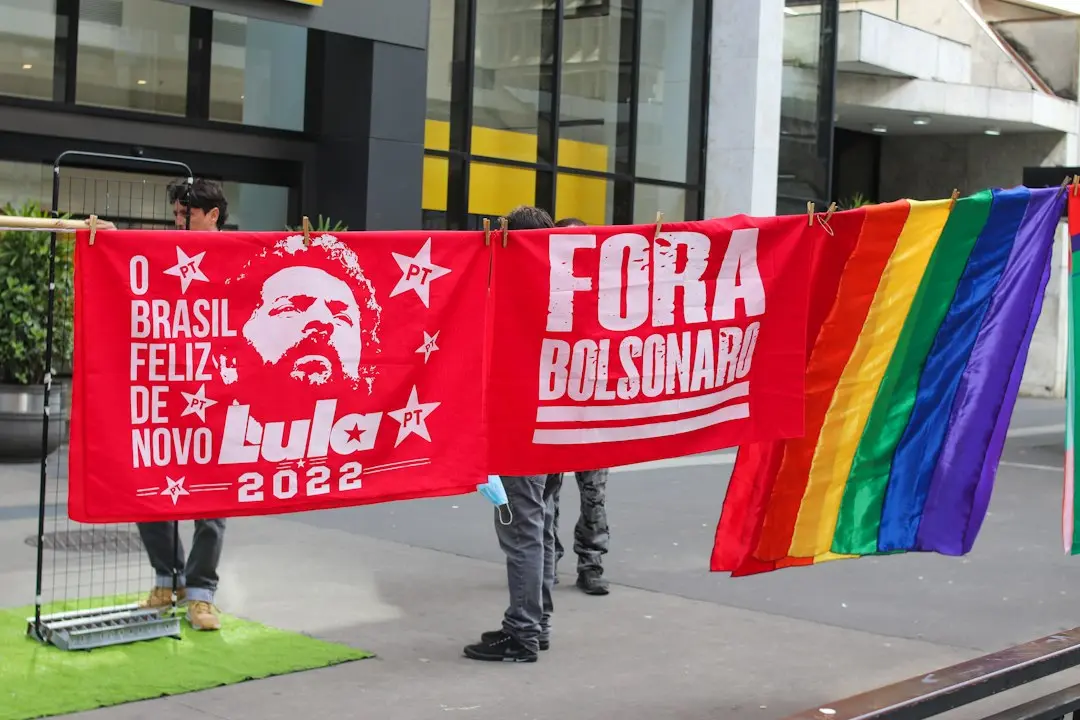
The election has been marked by sharp ideological divides, economic uncertainty, and a surge in social media misinformation. Lula, who returned to office in 2023 after a 12‑year hiatus, faces criticism over inflation and public security, while Bolsonaro’s campaign emphasizes anti‑corruption and conservative values. Their joint appearance at the polling place was intended to demonstrate a commitment to democratic norms and to calm tensions among supporters.
How the Results Could Reshape Brazil’s Future
The voting day unfolded under tight security, with police and military units deployed across major cities. Early turnout was high, with polls opening at 7 am local time. In São Paulo, the station where Lula and Bolsonaro voted was closely monitored by both parties’ supporters, many of whom wore the respective party colors. Despite the presence of protestors and heated exchanges, the voting process proceeded without major incidents. According to the electoral commission, over 80 % of registered voters in the city cast their ballots early in the morning.
Both leaders reported that the experience was „simple and respectful.” Lula noted that voting was „a reminder that democracy works when we all participate.” Bolsonaro, meanwhile, highlighted the importance of „upholding the rule of law” and urged his supporters to remain calm. The event attracted international attention, with diplomats from the United Nations and the European Union observing the proceedings.
What Happens in the Runoff?
The final count, released by the electoral authority on Friday, shows the race narrowing. Lula has secured 51.2 % of the votes, while Bolsonaro trails at 48.8 %. The margin of 2.4 % falls within the threshold that triggers a runoff election, scheduled for 29 October. Analysts predict that the outcome will hinge on voter turnout in rural and coastal regions, where Bolsonaro’s base remains strong.
Economically, a Lula victory could signal a continuation of his policies aimed at reducing inequality and investing in social programs, but critics warn that higher taxes and public spending may stoke inflation. A Bolsonaro win, conversely, could lead to a shift toward free‑market reforms and a more conservative approach to environmental regulation, potentially affecting Brazil’s Amazon conservation efforts.
Frequently Asked Questions
The runoff will likely intensify campaign strategies, with both candidates seeking to broaden their appeal beyond core supporters. Lula may focus on urban voters and the middle class, while Bolsonaro could target rural communities and evangelical groups. The political climate remains volatile, as recent protests and accusations of electoral fraud have eroded public trust in the process.
The international community will closely monitor the runoff, as Brazil’s role in global climate agreements and trade negotiations remains significant. A Lula win could strengthen Brazil’s commitments to the Paris Agreement, whereas a Bolsonaro victory might prompt a reassessment of environmental policies.