
Gender Gap Widens in High-Paying AI Roles
Women hold only a fraction of new AI jobs despite growing demand for talent in the field, according to industry data. The disparity highlights a persistent gap in one of tech's fastest-growing sectors.
Latest news
 No Military Fix for US‑Iran Tension, Says Tehran’s Foreign Minister
 Stock Futures Hold Steady as Investors Await Fed Minutes and Higher Yields
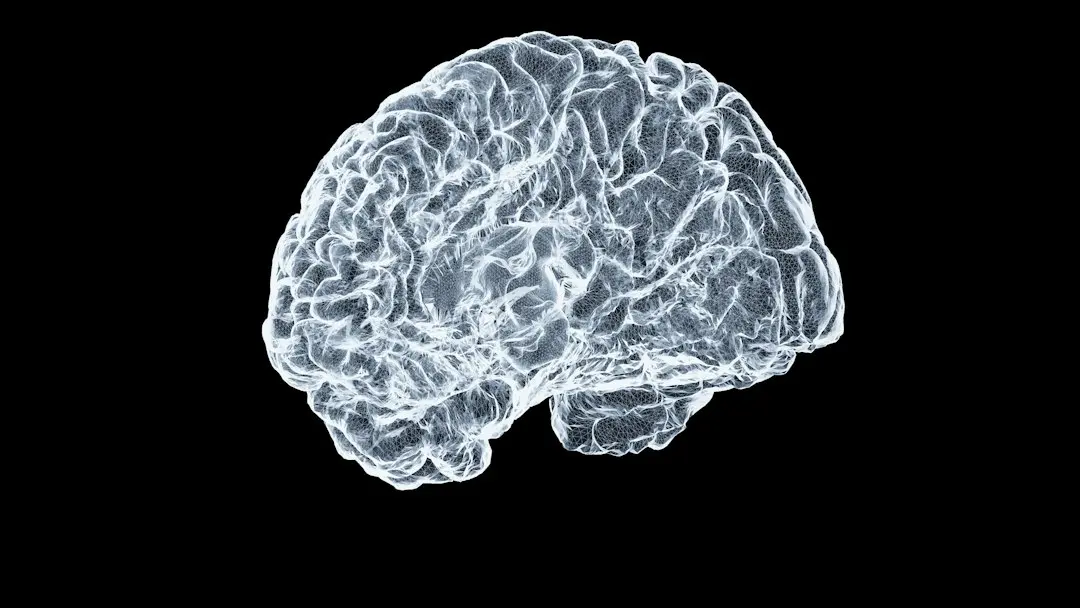 Scientists Identify Brain Region That May Drive High Blood Pressure and Offer New Treatment Pathway
 Macron's Busy Schedule Threatens His Attendance at COP31 and Undermines Paris Agreement Support
The imbalance reflects broader patterns in Silicon Valley, where high-paying AI roles attract intense competition. Many fear missing out on these opportunities could leave workers stranded in a digital underclass. This concern extends beyond automation fears to include who actually benefits from AI's growth.
Female representation in AI hiring remains disproportionately low compared to male counterparts. While companies rapidly expand their AI teams, women are often funneled into support or non-technical positions rather than core development roles. This pattern suggests systemic barriers persist despite efforts to diversify tech workplaces.
Industry experts note that pipeline issues contribute significantly to the problem. Fewer women pursue computer science or AI-related degrees, creating a smaller candidate pool. However, those who do enter the field often face workplace cultures that discourage retention.
Can the Industry Address Its Diversity Problem?
Some organizations have launched initiatives to attract and retain female AI talent. These programs focus on mentorship, inclusive hiring practices, and leadership development. Early results show modest improvements, though significant gaps remain.
Companies investing in diversity training and transparent promotion processes report better retention rates among women. Still, structural challenges persist across recruitment, compensation, and career advancement opportunities.
The consequences of this divide extend beyond individual careers. Diverse teams consistently produce more innovative AI solutions, making gender balance not just fair but strategically important. As AI increasingly shapes society, having varied perspectives in development becomes critical.
Frequently Asked Questions
Outlook remains uncertain without major intervention. Current trends suggest the gap may widen unless companies implement comprehensive changes to hiring, culture, and advancement practices.
What percentage of new AI jobs go to women? Industry data shows women receive roughly one in five new AI positions, though exact figures vary by company and role type.
Why do women leave AI careers at higher rates? Workplace culture, lack of mentorship, and limited advancement opportunities contribute to higher attrition rates among female AI professionals.
Are companies taking action to improve diversity? Many firms have launched targeted recruitment and retention programs, though progress remains slow and results vary significantly across organizations.