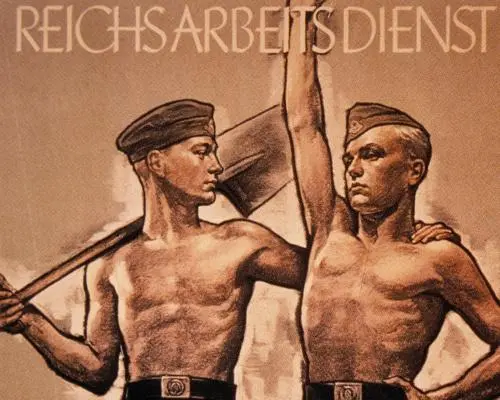
A Pattern with Historical Roots
US President Donald Trump has drawn attention with comments about the male anatomy of his political allies and rivals. These remarks, while unusual, have historical parallels. The analysis by Adam Gabbatt examines this fixation and its context.
Latest news
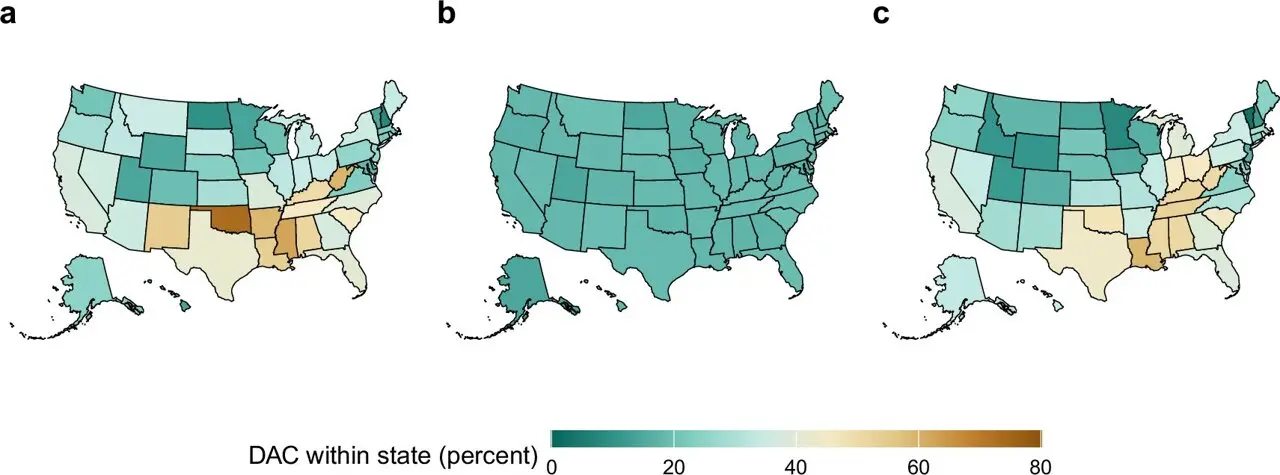 Rural communities may be left out of public support programs because screening tools measure disadvantage in ways that overlook their specific needs
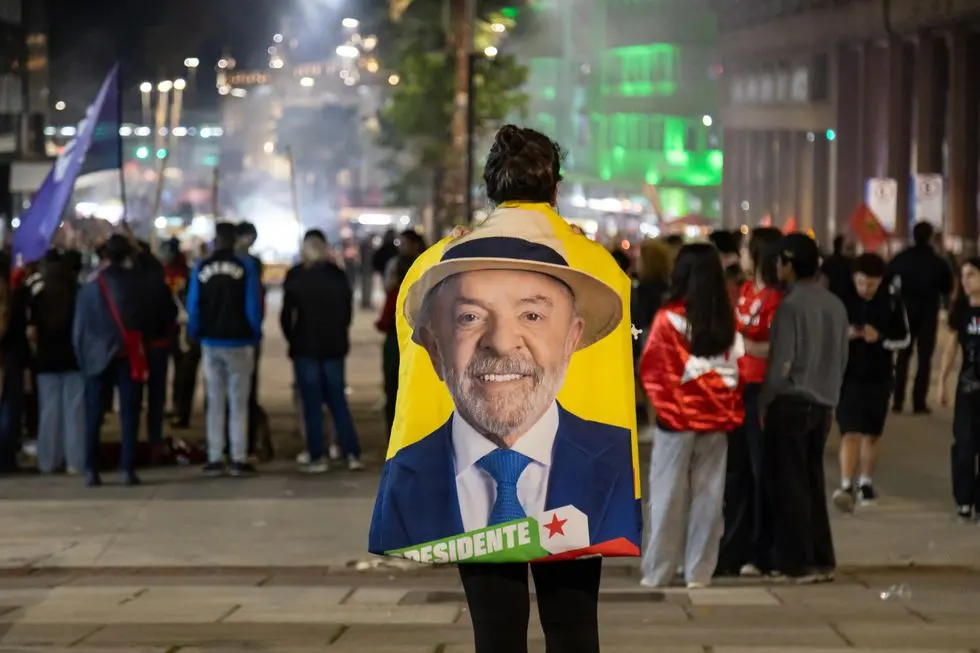 Brazilian Election Reveals the Donroe Doctrine Is a Mirage
 Is 2026 the year democracy finally fought back?
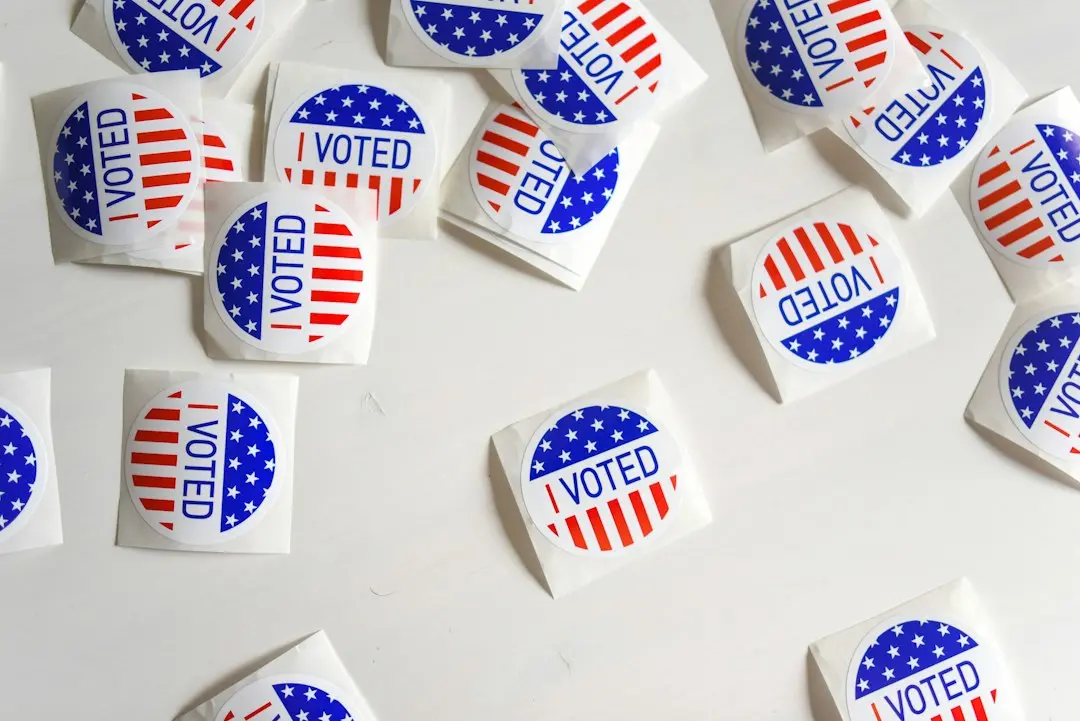 US Midterm Elections: Europe Watches as America Heads to the Polls
Trump’s remarks about male candidates’ bodies are not entirely without precedent. The Nazis, for instance, emphasized physical strength and virility as markers of political power. Trump’s comments echo this older tradition of linking masculinity to leadership. His language suggests a belief that physical attributes signal political strength.
Why Does Trump Obsess Over Male Bodies?
Trump’s fixation may stem from a worldview where physical dominance equals political dominance. He has repeatedly described rivals in terms of their bodies, implying that size and strength matter in politics. This approach contrasts with modern political norms, which typically emphasize policy and experience over physical traits.
Analysts suggest Trump’s comments may influence how voters perceive candidates. If physical traits become a factor in public discourse, future campaigns may focus more on image and presence. Political opponents could leverage these remarks to question Trump’s judgment. The broader implication is a shift in how masculinity and power are framed in American politics.
What Comes Next
Why is Trump commenting on male anatomy? Trump links physical attributes to political strength, echoing historical patterns where virility symbolized power.
Frequently Asked Questions
Is this behavior new for Trump? No, it fits a broader pattern of emphasizing physical dominance in political competition.
How might this affect future elections? Candidates may face scrutiny over physical appearance, potentially shifting campaign strategies toward image and presence.