
Fiscal Support Masks Monetary Tightness
Stephanie Kelton, a public policy and economics professor at Stony Brook University, warns that the Federal Reserve confronts a monetary dilemma strikingly similar to the one Alan Greenspan managed in 2001. She argues the U. S. economy is currently outperforming its G7 peers. This strong growth is partly driven by fiscal support, even as the federal deficit hovers around 6.5% of GDP.
Latest news
 Bayer Wins Missouri Trial Over Roundup Cancer Claims
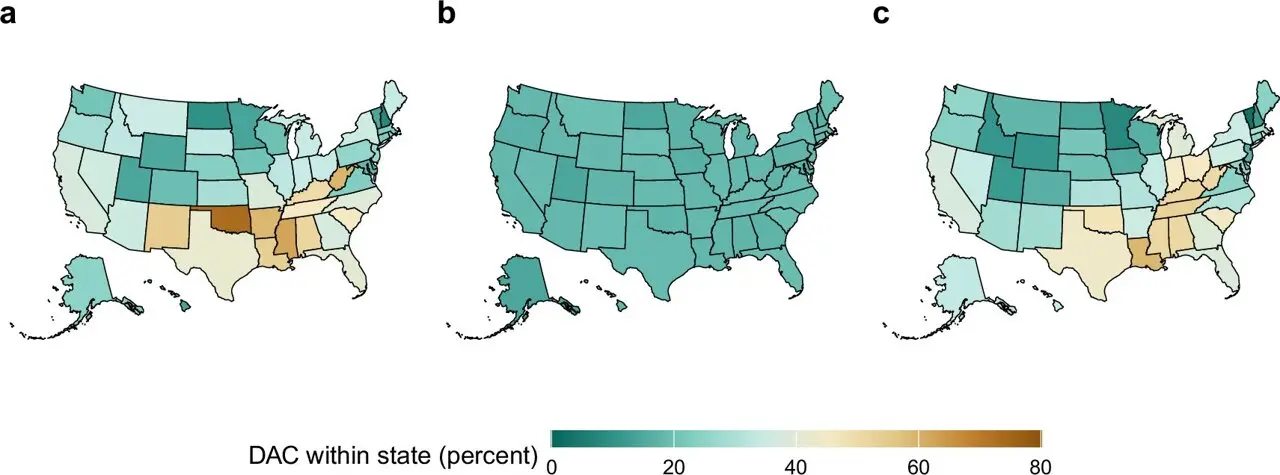 Rural communities may be left out of public support programs because screening tools measure disadvantage in ways that overlook their specific needs
 Brazilian Election Reveals the Donroe Doctrine Is a Mirage
 Is 2026 the year democracy finally fought back?
Kelton highlights a critical tension: the Fed must balance fighting inflation against the risk of choking off the economic expansion. In 2001, Greenspan navigated a similar conflict between rising prices and slowing growth. Today, policymakers face the same trade-off, with fiscal spending propping up demand while monetary policy tries to rein in price pressures.
Is the Fed Too Late to React?
Kelton points out that roughly half of the approximately $2 trillion in federal spending flows directly into the economy through fiscal channels. This massive fiscal injection complicates the Fed's job. When government spending surges, it fuels demand and can push prices higher. The Fed then feels compelled to raise interest rates to counteract this fiscal-driven inflation. The result is a policy tug-of-war between the Treasury and the Fed.
The timing of the Fed's response to fiscal expansion is a central concern. Kelton suggests that by the time monetary policy kicks in, the fiscal stimulus has already altered the economic landscape. This lag can force the Fed to tighten more aggressively than necessary, risking an overcorrection. The 2001 episode showed how delayed monetary responses can amplify economic swings.
Why is the 2001 Greenspan era relevant today? Greenspan faced a conflict between inflation and growth that mirrors the current Fed's challenge. Both periods feature fiscal expansion colliding with monetary restraint.
Frequently Asked Questions
How does fiscal spending affect the Fed's policy? Large government outlays boost demand and inflation, pressuring the Fed to raise rates. This creates a policy conflict between fiscal and monetary authorities.
What is the risk of an overcorrection? If the Fed tightens too aggressively to offset fiscal stimulus, it risks slowing growth excessively. This can trigger a recession, as seen in past policy cycles.