Restoring the Early Warning Network
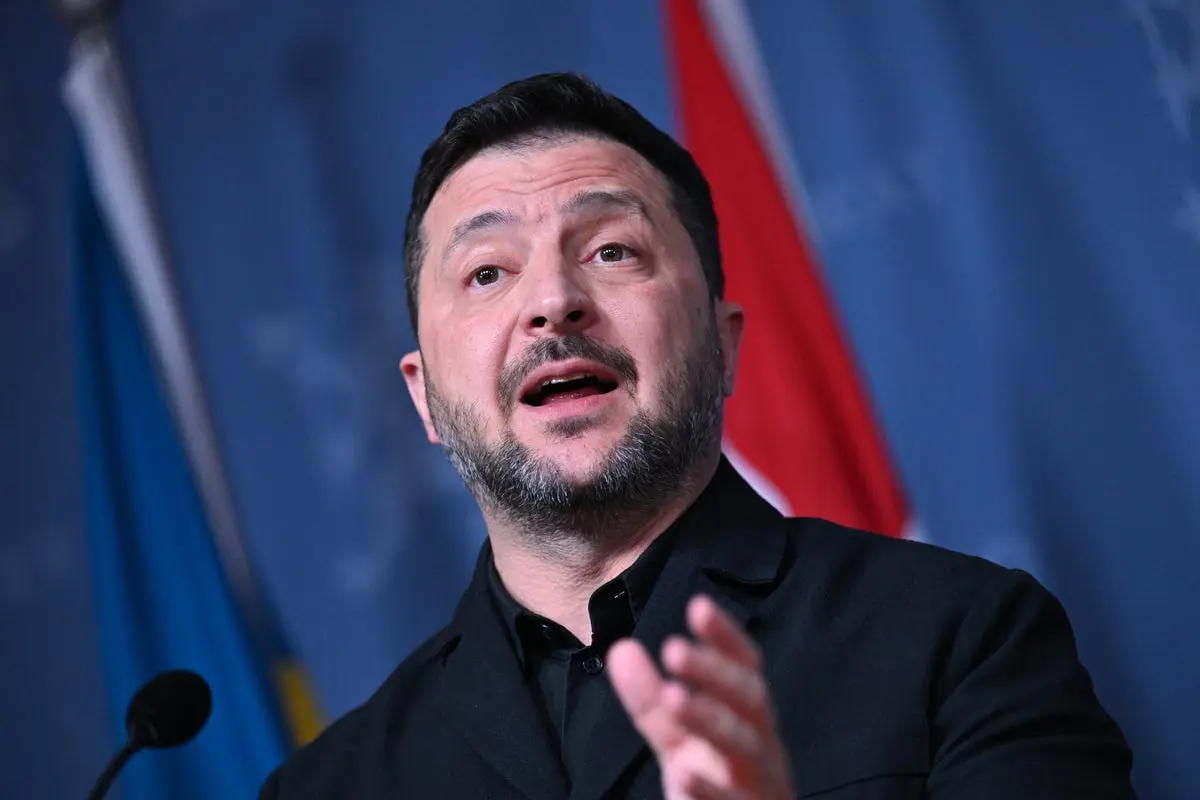
Ukrainian President Volodymyr Zelensky confirmed that the United States has resumed critical intelligence sharing with his nation. This breakthrough follows high-level discussions held in Oslo between Zelensky and Steve Witkoff, a special envoy representing Donald Trump. The move restores access to vital data regarding incoming ballistic missile threats across the front lines.
Latest news
 NSW Government Faces Backlash Over Coal Mine Legal Move
 Middle-Age Weight Loss Can Restore Heart Health
 House Democrats face difficult choices with limited funds
 CATL Profit Slowdown Spooks Chinese Battery Rivals
The intelligence pipeline had reportedly been severed last week under direct orders from the White House. Zelensky described the recent meeting in Norway as a constructive dialogue that paved the way for immediate action. Kyiv is now receiving real-time alerts once again, which are essential for protecting civilian infrastructure and military assets from aerial bombardment.
The suspension of data sharing had created significant security gaps for Ukraine during a period of intense conflict. With the system now back online, Ukrainian forces are better equipped to intercept incoming projectiles. Zelensky emphasized that this early warning capability is a fundamental component of the nation's defensive strategy against Russian strikes.
Will Diplomacy Lead to a Ceasefire?
Reports indicate that during the Oslo summit, the American delegation also pushed for a diplomatic resolution to the ongoing war. Steve Witkoff conveyed a clear message from the U. S. side regarding the necessity of ending hostilities. While the intelligence flow has been restored, the broader political implications of these discussions remain a focal point for international observers.
The restoration of intelligence cooperation suggests a shift in the current communication dynamic between the incoming U. S. administration and the Ukrainian leadership. By prioritizing the safety of the airspace, both parties have signaled a willingness to maintain operational ties despite underlying tensions. The focus now shifts to whether these talks can evolve into a formal framework for peace.
The long-term impact of this diplomatic engagement remains uncertain as the conflict enters a volatile phase. Zelensky’s administration continues to balance the need for immediate military intelligence with the pressure to engage in negotiations. Whether this renewed cooperation serves as a precursor to a broader settlement or merely stabilizes the current battlefield remains to be seen.
Frequently Asked Questions
What was the result of the Oslo meeting? The meeting led to the immediate restoration of intelligence sharing between the U. S. and Ukraine. This ensures that Kyiv receives timely warnings about incoming ballistic missile attacks.
Why was intelligence sharing stopped previously? The flow of intelligence was suspended last week due to directives issued by the White House. The recent dialogue in Norway successfully reversed this decision.
What is the American position on the war? U. S. envoy Steve Witkoff has urged Ukraine to seek an end to the conflict. The administration is balancing security support with a push for diplomatic resolution.