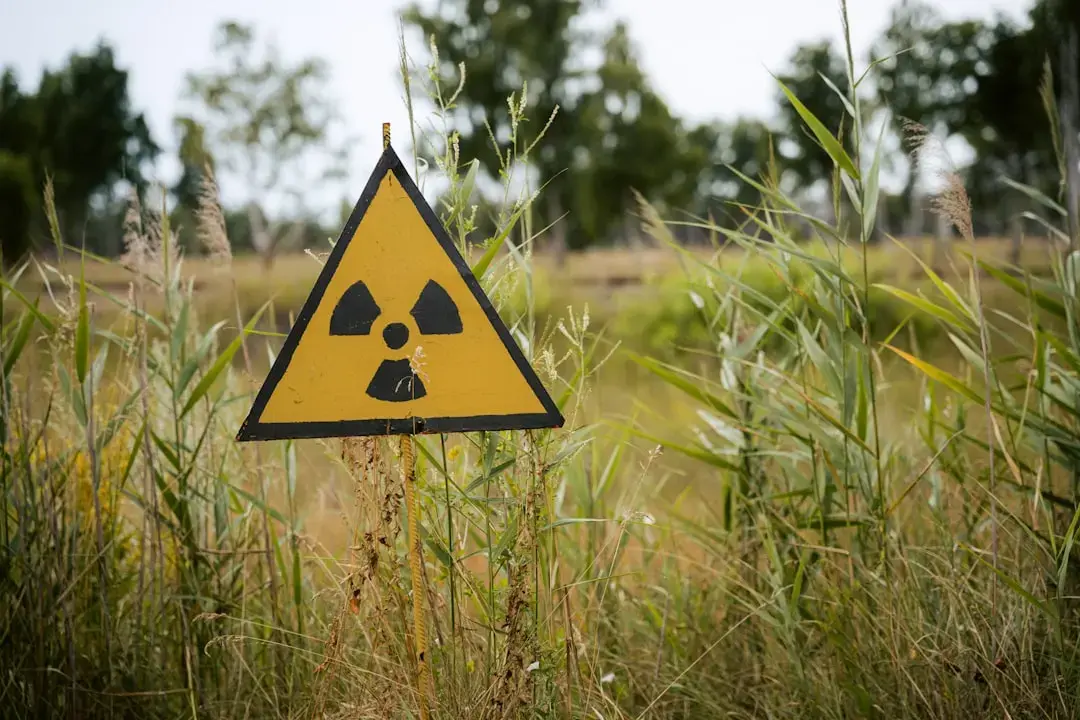
Strategic Shift Toward Nuclear Deterrence
Following the recent conflict between the United States, Israel, and Iran, Saudi Arabia has entered a significant nuclear cooperation agreement with Washington. This strategic move, finalized during high-level diplomatic meetings, marks a fundamental shift in regional security policy as Middle Eastern powers increasingly prioritize nuclear technology to ensure their long-term national survival.
Latest news
 Swedish Voters Choose New Parliament as Left-Wing Coalition Projects to Win Majority
 Trump Announces End of US Tariff on Irish Whisky
 Frances Stonor Saunders, Author of CIA Cultural Espionage Exposé, Dies at 66
 Israel and Lebanon to Hold Security Talks in Rome This October
The agreement allows for the development of civil nuclear infrastructure under American oversight. By securing this partnership, Riyadh aims to balance its regional influence against rising threats. Officials suggest that possessing advanced nuclear capabilities acts as a powerful deterrent, discouraging adversaries from future military aggression or territorial incursions.
The regional landscape has transformed drastically since the recent war. Governments across the Middle East no longer rely solely on conventional military alliances for protection. Instead, leaders are viewing nuclear energy programs as a necessary insurance policy. This transition reflects a broader trend where nations seek self-reliance to prevent being caught in the crossfire of superpower rivalries.
Is Regional Stability at Risk?
Crown Prince Mohammed bin Salman has long signaled his intent to modernize the Saudi energy sector. By integrating nuclear power, the kingdom aims to diversify its economy while simultaneously bolstering its defense posture. This dual-purpose approach is designed to signal strength to neighboring rivals while maintaining a formal partnership with the United States.
Critics worry that this expansion of nuclear technology could trigger a regional arms race. As more nations gain access to sensitive materials, the risk of proliferation increases significantly. While the current agreement focuses on civilian energy, the underlying motivation remains rooted in security. Regional stability now depends on whether these nuclear programs remain strictly peaceful or eventually evolve into military assets.
Frequently Asked Questions
The long-term consequences of this deal remain uncertain. If other nations follow suit, the Middle East may face a more volatile security environment. Washington’s involvement is intended to keep these programs transparent, yet the desire for deterrence remains the primary driver. The coming years will reveal whether this pact secures peace or merely creates new flashpoints for future conflict.
What is the primary goal of the new nuclear agreement? The deal is designed to provide Saudi Arabia with civil nuclear technology while strengthening its national security. It serves as a deterrent against potential regional adversaries.
Does this agreement allow for the development of nuclear weapons? No, the current framework is strictly limited to civil nuclear infrastructure. However, experts note that such programs can provide the technical foundation for future military ambitions.