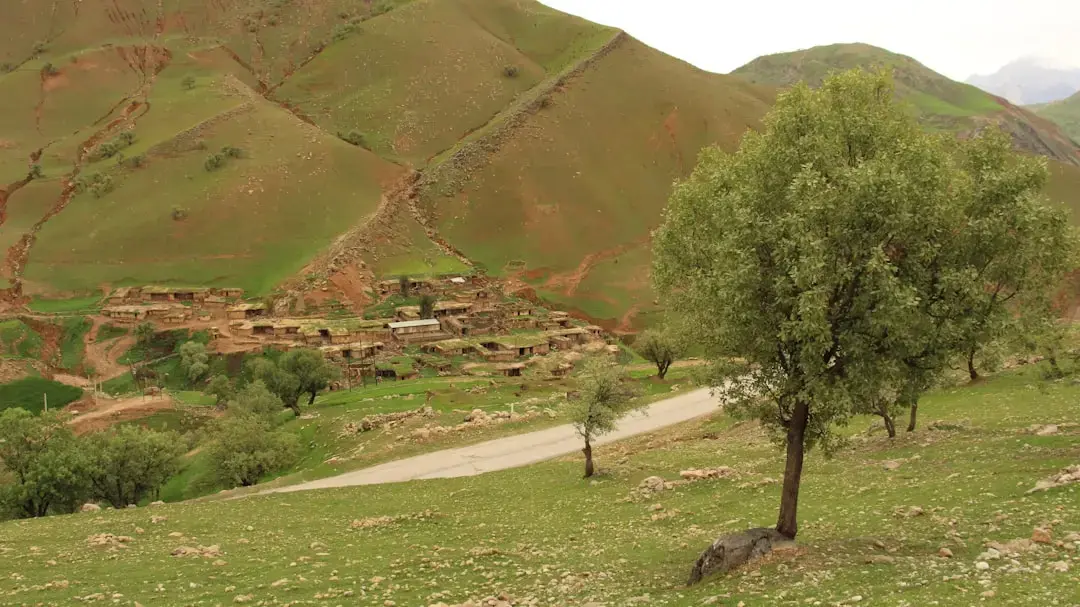
Balancing Diplomacy with Strategic Autonomy
Iranian President Masoud Pezeshkian announced Tuesday that Tehran is ready to engage in diplomatic talks to safeguard its national interests, but he warned that any proposals threatening the country's sovereignty or defensive posture will be rejected. The statement was delivered in a televised address to the nation, underscoring Tehran’s willingness to converse while drawing firm red lines.
Latest news
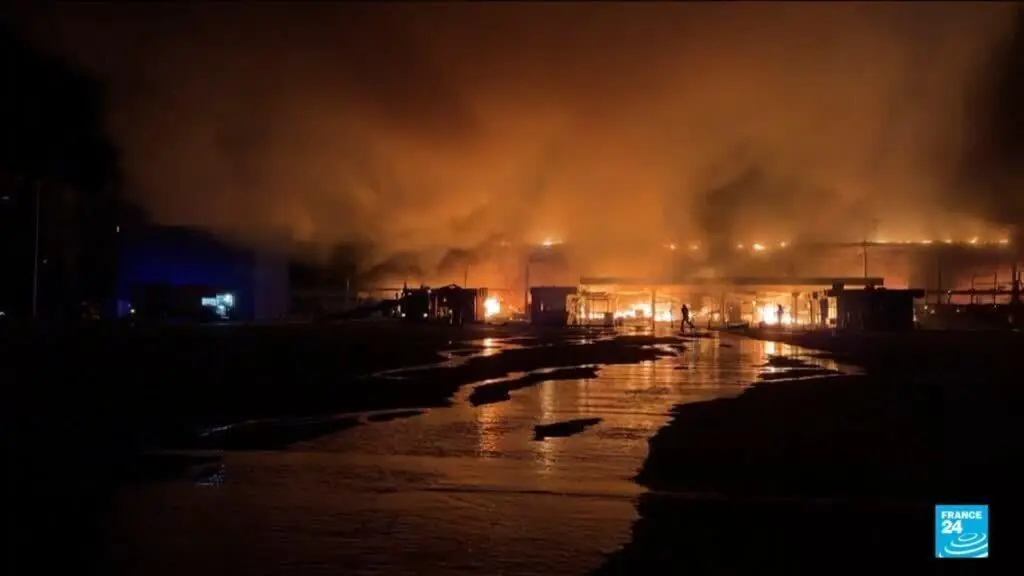 Ukraine Strikes Persist While Russian Polling Stations Open for Election
 Macron Calls French Party Leaders Together as Energy Costs Surge Amid Iran and Ukraine Conflicts
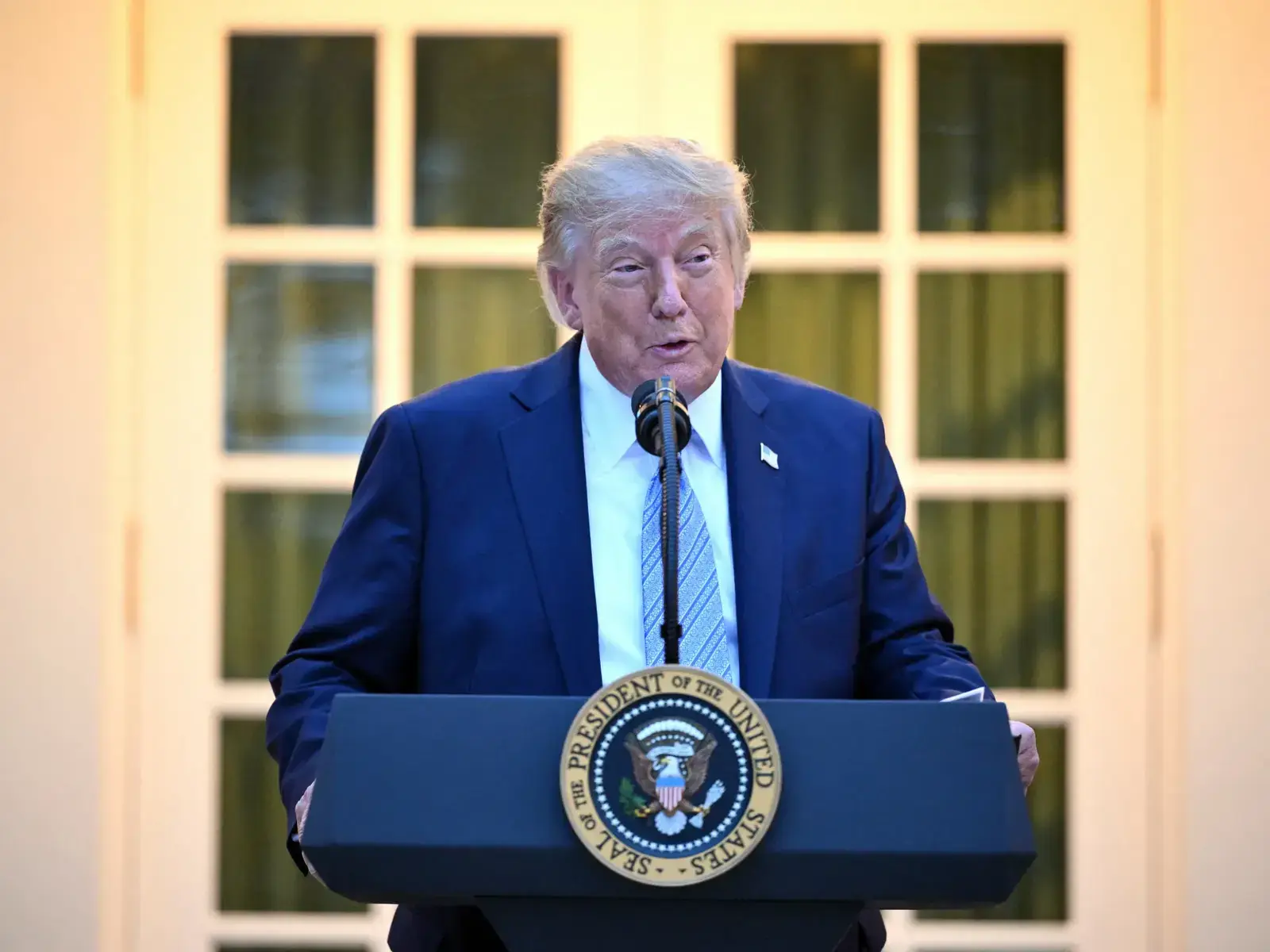 US Voters Oppose War on Iran, 71% Say Trump Administration Lacks Strategy
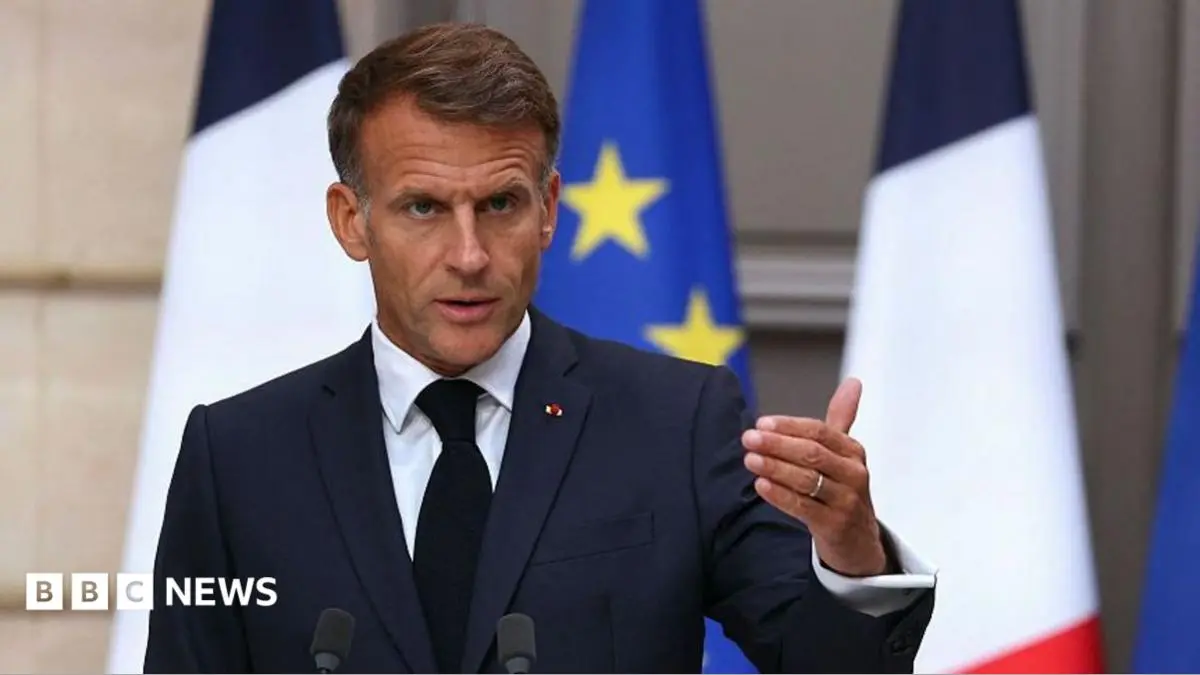 French President Warns of Rising Russian Hybrid Threats to Europe
Pezeshkian emphasized that dialogue must respect Iran’s territorial integrity and its right to self‑defence. He argued that external pressures aimed at weakening Tehran’s strategic capabilities are counterproductive and could destabilize the broader Middle East. The president cited recent regional tensions, noting that divisive policies risk igniting further conflict and harming ordinary citizens across borders.
In his speech, Pezeshkian outlined a two‑track approach: first, to open channels with neighboring states and international partners; second, to reinforce military readiness. „We seek constructive engagement, yet we will not compromise on core security interests,” he said. Analysts interpret the stance as an attempt to re‑assert Iran’s influence while avoiding isolation. The president also referenced ongoing negotiations over nuclear arrangements, suggesting that progress there could pave the way for broader cooperation.
Can Regional Rivalries Undermine Iran’s Push for Dialogue?
The administration plans to convene a series of low‑key meetings with regional actors, aiming to reduce mistrust that has built up over years of sanctions and proxy conflicts. Pezeshkian stressed that any dialogue must be inclusive, involving all parties willing to respect Iran’s sovereignty. He warned that attempts to fragment the region into hostile blocs would only deepen instability.
Critics argue that entrenched rivalries, especially with Saudi Arabia and Israel, could sabotage Tehran’s diplomatic overtures. Pezeshkian responded by highlighting Iran’s role as a mediator in past ceasefires, asserting that the nation can act as a bridge if others lower their antagonistic rhetoric. He urged neighboring governments to prioritize collective security over zero‑sum competition, noting that shared challenges such as water scarcity and economic recovery demand cooperation.
The president’s remarks arrive amid a volatile geopolitical climate, where sanctions, energy market fluctuations, and shifting alliances keep the region on edge. By signaling openness while drawing firm boundaries, Tehran hopes to shape a narrative that positions Iran as both a responsible actor and a sovereign power unwilling to be coerced.
Frequently Asked Questions
What specific conditions does Iran set for diplomatic talks? Iran insists that any dialogue must acknowledge its territorial integrity, refrain from imposing security constraints, and respect its right to maintain a credible defence force.
How might this stance affect Iran’s nuclear negotiations? If Tehran’s red lines are respected, it could create a more favorable environment for nuclear talks, potentially easing sanctions and encouraging broader regional cooperation.
What are the risks if regional divisions deepen? Escalating rivalries could trigger proxy wars, disrupt trade routes, and exacerbate humanitarian crises, undermining stability across the Middle East.