A Conditional Path to Reopening Hormuz
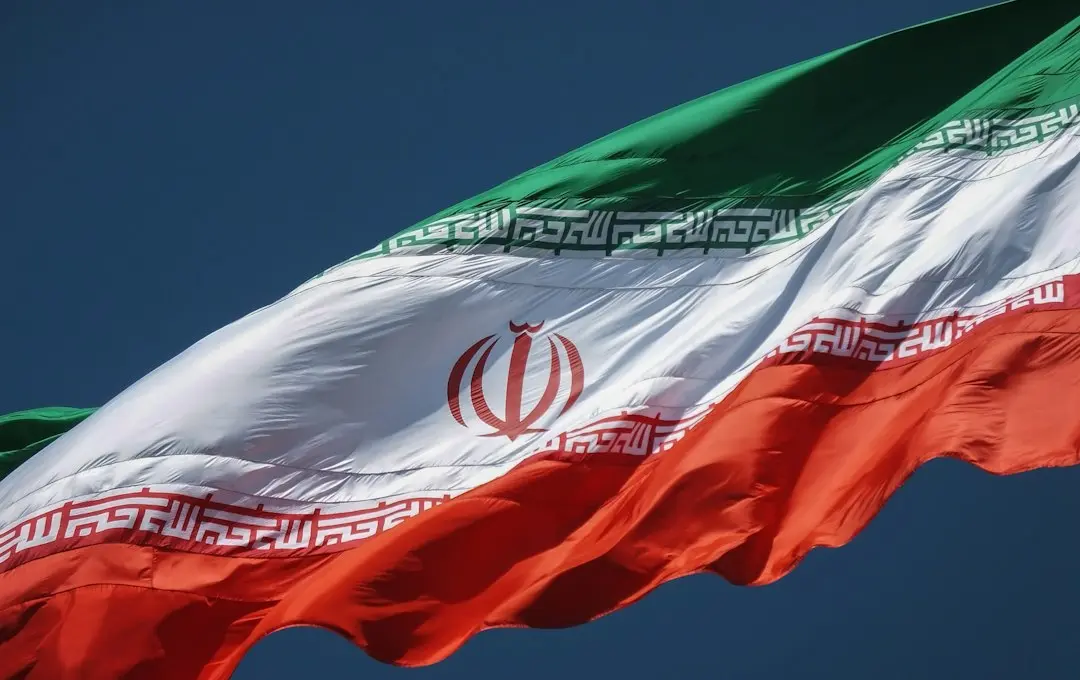
Iranian Foreign Minister Abbas Araghchi declared that talks between the United States and Iran remain open. Speaking at a diplomatic summit in Baghdad on Sunday, he confirmed the two nations have not reached a final agreement.
Latest news
 The Kingmakers of Israeli Politics
 Spain's pension system faces growing financial pressure despite not being bankrupt
 Israeli blockade prevents access to vital care for Gaza's amputees
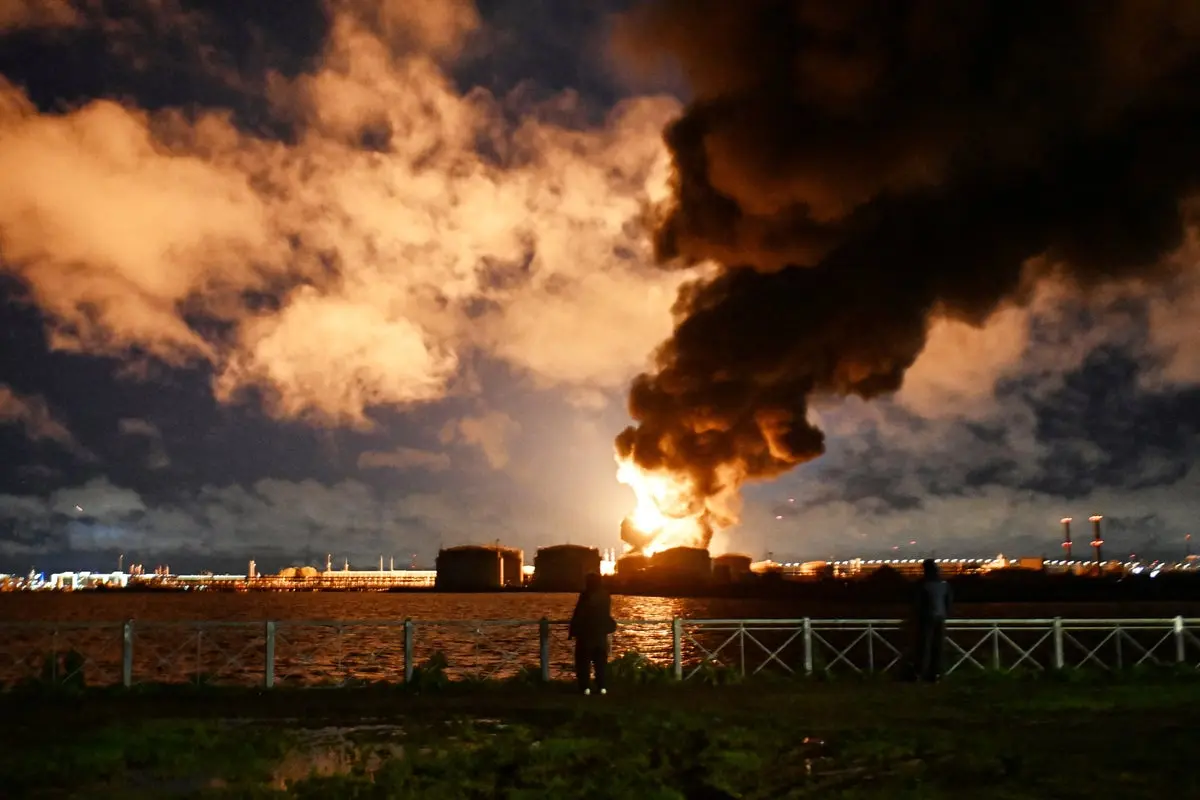 Ukraine Launches Massive Drone Assault on Russia, Incendiary Attacks Ignite Petrochemical Sites
Araghchi emphasized that Tehran’s proposal to reopen the Strait of Hormuz within six days is still valid. He stated that if Washington accepts Iran’s conditions, formal negotiations will resume on the seventh day. This proposal emerged amid escalating regional tensions.
The Iranian minister outlined a specific timeline for restoring maritime traffic through the strategic waterway. His statement signals that Tehran is willing to act quickly, but only if the US meets certain preconditions. This conditional approach reflects Iran’s strategy of linking military de-escalation with diplomatic concessions.
Will Washington Accept Tehran’s Terms?
The core question now is whether the US will agree to Iran’s conditions. Araghchi’s remarks suggest Tehran is testing Washington’s willingness to negotiate in good faith. Analysts note that the six-day window creates urgency for both sides to finalize terms before regional instability deepens.
The outcome of these talks could reshape energy markets and regional security dynamics. If both nations accept the proposal, the Strait of Hormuz would reopen within a week. If not, the standoff risks prolonging the crisis and increasing pressure on global oil supply chains.
Frequently Asked Questions
What is Iran’s proposal for the Strait of Hormuz? Iran proposes to reopen the strait within six days if the US accepts Tehran’s conditions. Araghchi confirmed this offer remains on the table.
When would US-Iran talks resume? If Washington accepts the conditions, formal negotiations are set to resume on the seventh day.
Why is the Strait of Hormuz so important? The strait is a critical chokepoint for global oil shipments. Its closure or restricted access directly impacts energy prices and regional stability.