Drone Barrage Marks New Escalation in Russian‑Ukrainian Tensions
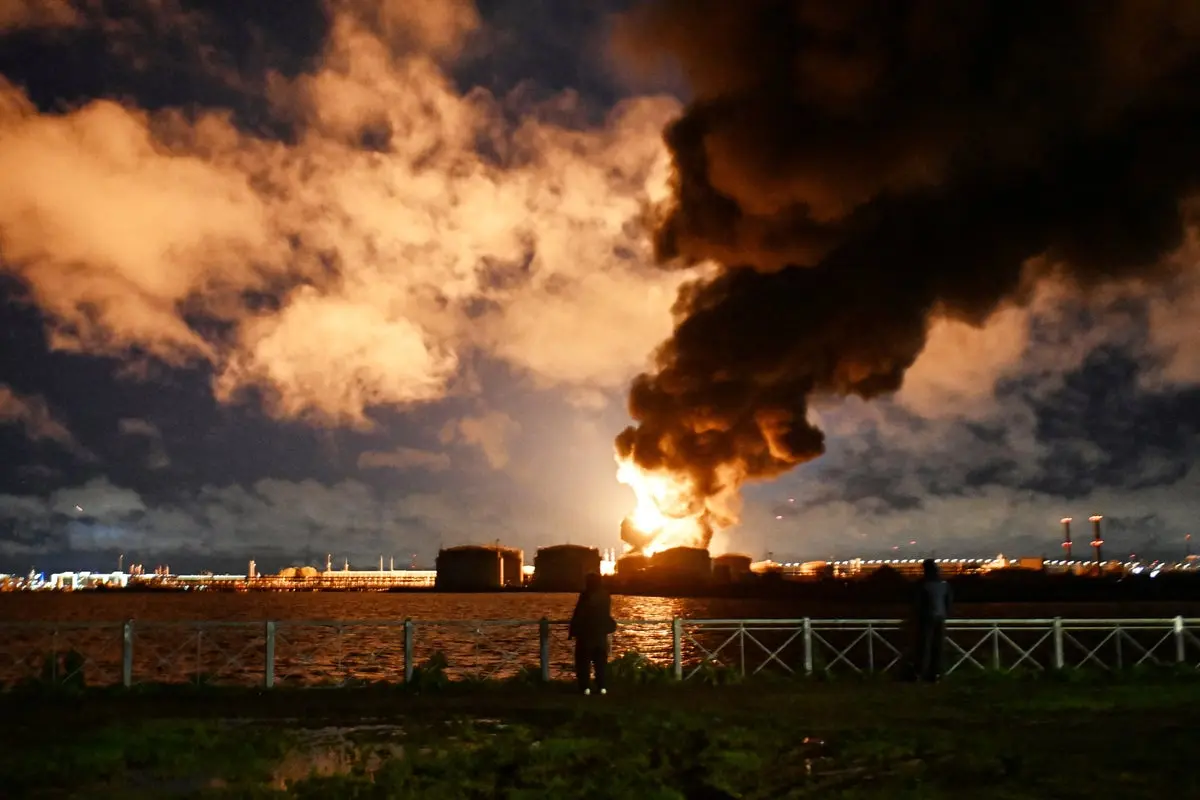
Ukraine’s military launched more than 1,000 drones over Russian territory on Monday, striking the city of St. Petersburg and setting the city’s Ruchi oil depot ablaze. The sudden surge in air attacks coincided with the United States restoring intelligence sharing with Kyiv, heightening the intensity of the conflict.
Latest news
 The Kingmakers of Israeli Politics
 Spain's pension system faces growing financial pressure despite not being bankrupt
 Israeli blockade prevents access to vital care for Gaza's amputees
 Iranian Foreign Minister Abbas Araghchi says US-Iran negotiations are not over
The operation targeted key Russian infrastructure, including the St. Petersburg Oil Terminal and the Ruchi depot. The strikes caused a blaze that consumed a large portion of the depot, resulting in one fatality and five injuries. Russian forces responded by targeting Ukrainian energy and oil facilities, escalating the threat to civilian infrastructure on both sides.
The use of more than a thousand drones represents a significant escalation in Ukraine’s aerial campaign. Analysts suggest the attack was timed to coincide with renewed U. S. intelligence cooperation, providing Ukraine with up-to-date surveillance data. The drones were reportedly launched from multiple Ukrainian bases, creating a coordinated strike that overwhelmed Russian air defenses. Russian officials reported that the attacks disrupted fuel supplies to the city and damaged storage facilities, but they denied any major operational losses.
How Do These Attacks Affect the Broader Conflict?
Ukraine’s strategy appears to focus on crippling Russia’s logistics and supply chains, especially in the north. By targeting the oil terminal and depot, Kyiv aims to reduce Russia’s ability to transport and store critical fuel, potentially hampering military operations. The Russian response, which included strikes on energy infrastructure, underscores the high stakes of protecting civilian resources during wartime.
The immediate aftermath has seen a sharp increase in retaliatory strikes. Russian forces have targeted Ukrainian power plants and oil storage sites, raising concerns about widespread power outages and fuel shortages. The international community has called for restraint, warning that attacks on civilian infrastructure could trigger humanitarian crises. Meanwhile, the United States has reiterated its support for Ukraine, pledging additional intelligence and defensive aid.
The long‑term implications remain uncertain. If Ukraine continues to employ large‑scale drone attacks, Russia may intensify its counter‑measures, potentially leading to a cycle of escalation. Economic repercussions could also widen, as disruptions to energy supply chains affect global markets. The conflict’s trajectory will likely depend on diplomatic efforts and the balance of military capabilities on both sides.
Frequently Asked Questions
What prompted Ukraine to launch such a massive drone strike? Ukraine cited the resumption of U. S. intelligence sharing as a key factor, providing real‑time data that enabled a coordinated attack on Russian infrastructure.
How many casualties resulted from the attacks on St. Petersburg? The incendiary strikes caused one death and injured five people at the Ruchi oil depot.
Will this escalation lead to a broader war? While the attacks heighten tensions, international diplomatic channels remain active. However, continued strikes on civilian infrastructure could provoke further retaliation and widen the conflict’s scope.