Pezeshkian clarifies Iran's relationship with Yemen's Houthi movement
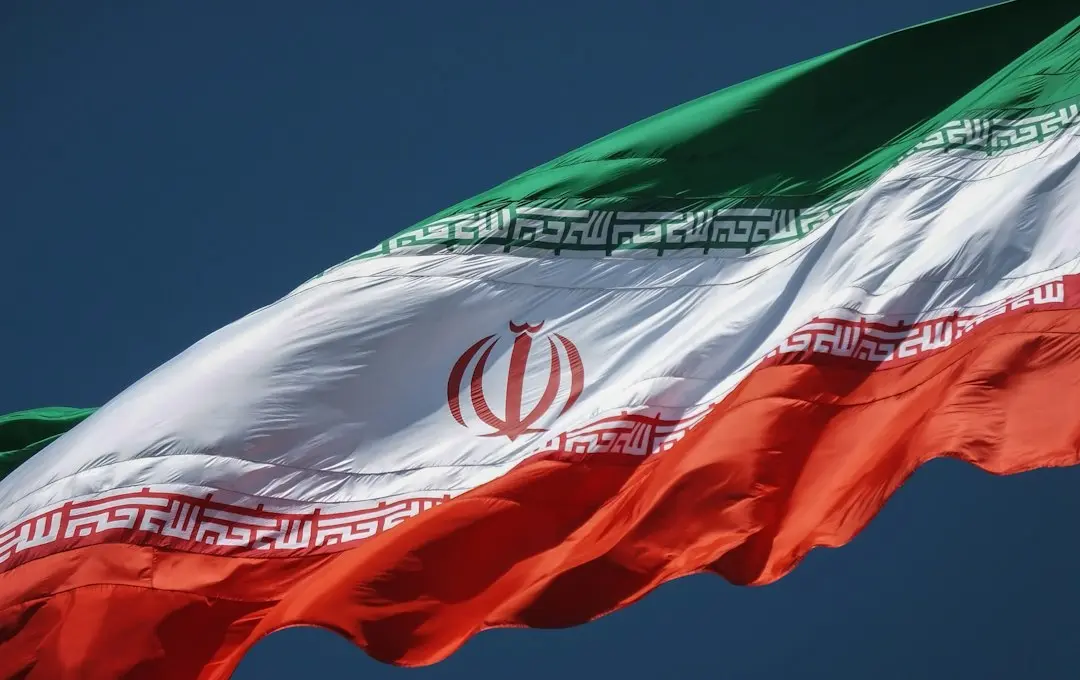
Iran's President Masoud Pezeshkian stated on Friday that the Houthi movement in Yemen operates independently and is not receiving direct orders from Tehran, emphasizing that the group makes its own decisions based on local conditions. Speaking to Fox News, Pezeshkian rejected allegations that Iran controls Houthi battlefield strategies, asserting that the militants are accountable for their own actions in the ongoing regional conflict. His comments come amid heightened scrutiny of Iran's influence over allied armed groups across the Middle East, particularly following recent Houthi attacks on shipping in the Red Sea. The Iranian leader sought to distance his government from direct command of Houthi forces while acknowledging shared ideological sympathies.
Latest news
 French Catholic Influencers Bring Digital Faith to Physical Gatherings
 Africa's Richest Man Backs $660m Fuel Pipeline for Ethiopia and Djibouti
 Nepal Leader Calls Recent Floods a Global Climate Warning
 International Allies Bolster Saudi Defenses Amid Escalating Houthi Strikes
Pezeshkian explained that while Iran shares political sympathies with groups resisting what it perceives as external pressures, it does not dictate their tactical choices. He told Fox News that the Houthis „don't take directions from us as those who are resisting in the region, based on the situations that have been imposed on them.”This framing positions Tehran as a political supporter rather than a military commander, attempting to mitigate accusations of proxy warfare. The President stressed that regional actors respond to local realities, and Iran's role is limited to moral and political backing, not operational control. His remarks aim to counter Western allegations that Iran orchestrates Houthi attacks on international vessels, which have disrupted global trade routes.
How does Iran justify its regional alliances without direct control?
Iran maintains that its support for groups like the Houthis stems from shared opposition to Western influence in the Middle East, not from command-and-control structures. Pezeshkian reiterated that Tehran respects the autonomy of allied movements, arguing that their actions arise from indigenous struggles against perceived injustice. This narrative allows Iran to assert ideological leadership while avoiding legal responsibility for specific military operations conducted by its partners. The distinction is crucial for Tehran's diplomatic positioning, as direct involvement could provoke stronger international sanctions or military responses. By emphasizing indigenous agency, Iran seeks to preserve its influence without assuming liability for escalatory actions.
Did Iran admit to supporting the Houthis politically? Yes, Pezeshkian acknowledged Iran shares political sympathies with the Houthis and other regional resistance groups, though he denied providing direct military direction.
Frequently Asked Questions
Are the Houthis completely independent of Iranian influence? While Pezeshkian claimed the Houthis make their own tactical decisions, Iran is widely believed to provide financial, technological, and ideological support to the group.
What was the context of Pezeshkian's remarks? The comments were made during a Fox News interview addressing allegations that Iran directs Houthi attacks on Red Sea shipping lanes, which have prompted international concern.