Iran rejects comparisons to Venezuela’s economic collapse
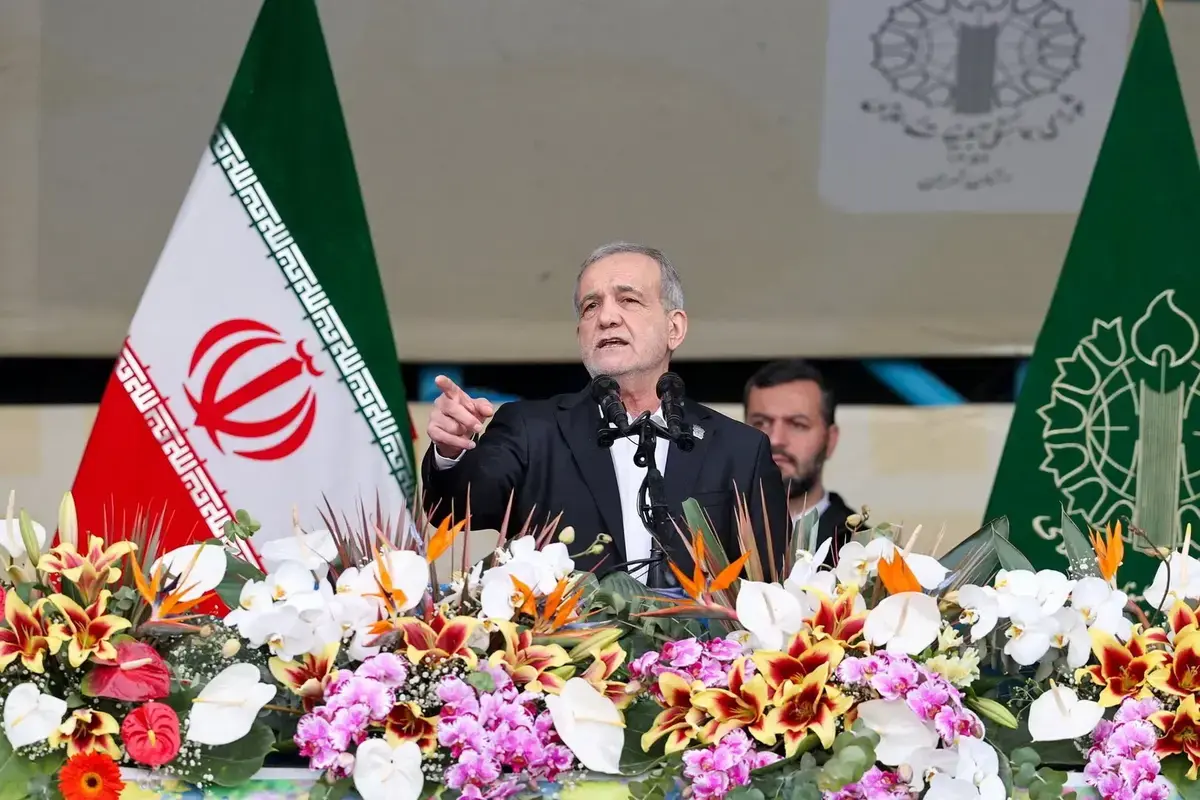
Iranian President Masoud Pezeshkian stated that Iran has remained resilient despite facing what he described as a full-scale war and severe international sanctions. Speaking in Tehran, he emphasized that the country has not succumbed to economic or political breakdown, drawing a contrast with nations that have experienced deeper crises. His remarks came amid heightened regional tensions and continued pressure from Western governments over Iran’s nuclear program and support for allied groups.
Latest news
 Swedish Voters Choose New Parliament as Left-Wing Coalition Projects to Win Majority
 Trump Announces End of US Tariff on Irish Whisky
 Frances Stonor Saunders, Author of CIA Cultural Espionage Exposé, Dies at 66
 Israel and Lebanon to Hold Security Talks in Rome This October
Pezeshkian explicitly rejected comparisons between Iran’s situation and that of Venezuela, which has faced hyperinflation, mass emigration, and state failure. He argued that while sanctions have strained Iran’s economy, the government has maintained basic services, avoided currency collapse, and prevented widespread social unrest. The president pointed to continued oil exports, domestic production efforts, and financial mechanisms as evidence of resilience. He acknowledged hardships but insisted the state remains functional and in control.
How is Iran managing under sustained pressure?
The president highlighted efforts to bypass sanctions through barter trade, local currency agreements with allies, and increased self-reliance in sectors like agriculture and manufacturing. He noted that Iran has reduced its dependence on dollar-based transactions and expanded trade with countries such as China, Russia, and India. Despite these adjustments, independent analysts report that inflation remains high, unemployment is persistent, and access to foreign technology is limited. Pezeshkian conceded that challenges exist but framed them as manageable within Iran’s current strategy.
Pezeshkian’s comments aim to reassure both domestic audiences and international observers that Iran will not follow a path of state disintegration. By rejecting the Venezuela analogy, he seeks to frame Iran’s resistance as a model of endurance rather than decline. However, long-term sustainability depends on the duration of sanctions, regional stability, and the government’s ability to address public dissatisfaction. Economic strain continues to affect living standards, and future protests remain a possibility if conditions worsen.
What does this mean for Iran’s future stability?
Is Iran’s economy really stronger than Venezuela’s? While both countries face sanctions, Iran has avoided hyperinflation and currency collapse seen in Venezuela, though it still struggles with high inflation and unemployment.
Frequently Asked Questions
Can Iran keep exporting oil despite sanctions? Yes, Iran continues to sell oil, often through informal channels and to allied nations, though volumes and prices are lower than before sanctions.
Will internal pressure grow if conditions don’t improve? Experts warn that prolonged economic hardship could fuel public unrest, especially if essential goods become scarcer or prices rise further.